
Great Society
A New History
HarperCollins · Print & ebook · November 24, 2020
The New York Times bestselling author of The Forgotten Man and Coolidge offers a stunning revision of our last great period of idealism, the 1960s, with burning relevance for our contemporary challenges.
We earn from qualifying purchases.
- Who it’s for
- A revisionist history of 1960s idealism, told through policy, politics, and vivid portraits.
- Themes
- 1960s U.S. history, Public-sector reform, Socialism and capitalism
- Genres
- 20th-Century America, Economic Policy, Economic History
Nearest books
Matched by what the books are about, then ordered by what their readers also loved.
 Road to DisasterBrian VanDeMark, Ron Butler56% matchShares 20th-Century America
 The Age of EntitlementChristopher Caldwell71% matchShares 20th-Century America
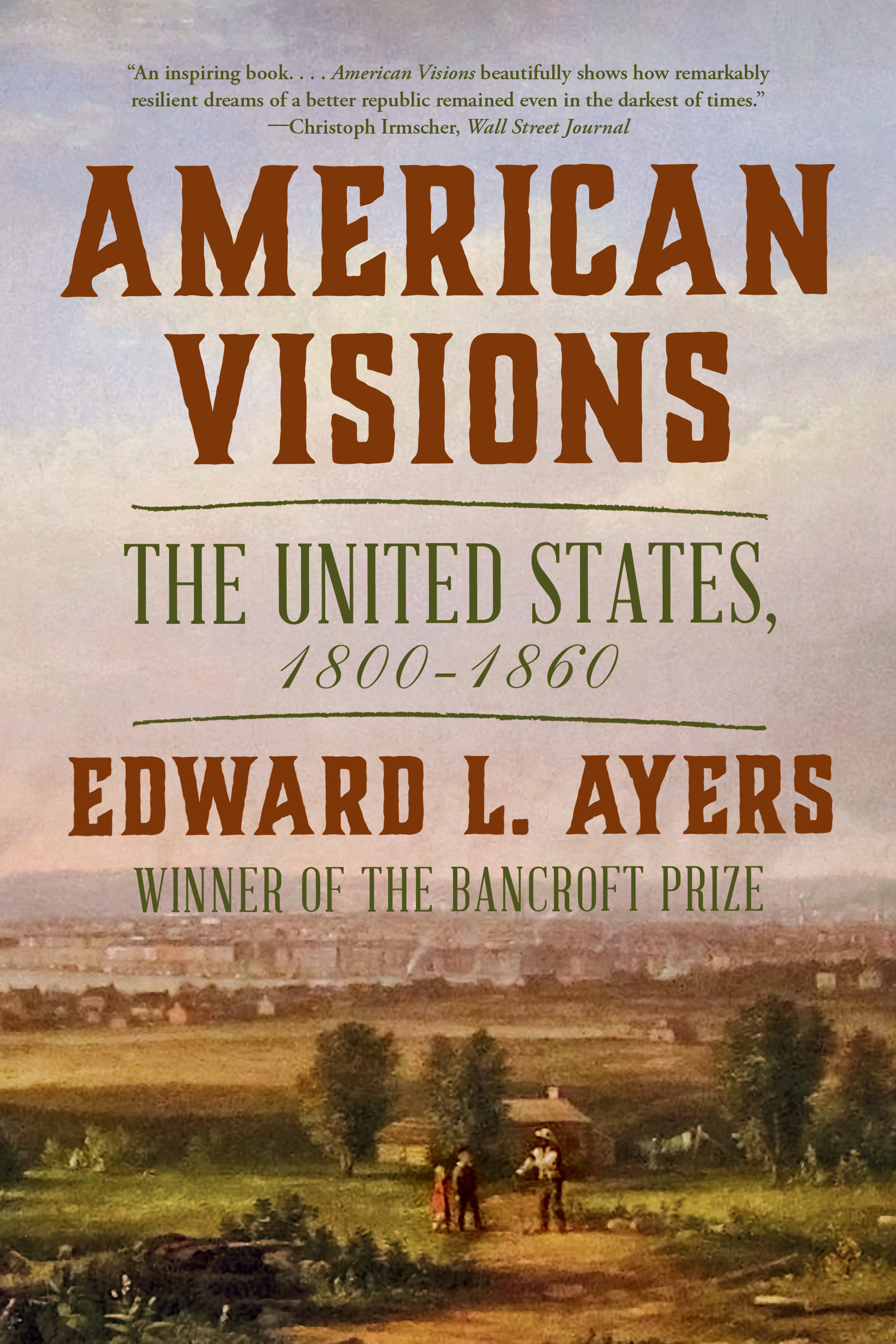 American VisionsEdward L. Ayers59% match
 The RebelsJoshua Green59% match
 The Rise and Fall of the Second American RepublicManisha Sinha58% match
For younger readers: America Redux: Visual Stories From Our Dynamic History
Start with three books, and this one can be the first.
Members get a new edition every morning: a route out from their books to essays, research and talks, with the reason for each.
Start with this bookAbout this book
The New York Times bestselling author of The Forgotten Man and Coolidge offers a stunning revision of our last great period of idealism, the 1960s, with burning relevance for our contemporary challenges. "Great Society is accurate history that reads like a novel, covering the high hopes and catastrophic missteps of our well-meaning leaders." —Alan Greenspan Today, a battle rages in our country.
Continue reading
Many Americans are attracted to socialism and economic redistribution while opponents of those ideas argue for purer capitalism. In the 1960s, Americans sought the same goals many seek now: an end to poverty, higher standards of living for the middle class, a better environment and more access to health care and education. Then, too, we debated socialism and capitalism, public sector reform versus private sector advancement. Time and again, whether under John F. Kennedy, Lyndon Johnson, or Richard Nixon, the country chose the public sector. Yet the targets of our idealism proved elusive. What’s more, Johnson’s and Nixon’s programs shackled millions of families in permanent government dependence. Ironically, Shlaes argues, the costs of entitlement commitments made a half century ago preclude the very reforms that Americans will need in coming decades. In Great Society, Shlaes offers a powerful companion to her legendary history of the 1930s, The Forgotten Man, and shows that in fact there was scant difference between two presidents we consider opposites: Johnson and Nixon. Just as technocratic military planning by “the Best and the Brightest” made failure in Vietnam inevitable, so planning by a team of the domestic best and brightest guaranteed fiasco at home. At once history and biography, Great Society sketches moving portraits of the characters in this transformative period, from U.S. Presidents to the visionary UAW leader Walter Reuther, the founders of Intel, and Federal Reserve chairmen William McChesney Martin and Arthur Burns. Great Society casts new light on other figures too, from Ronald Reagan, then governor of California, to the socialist Michael Harrington and the protest movement leader Tom Hayden. Drawing on her classic economic expertise and deep historical knowledge, Shlaes upends the traditional narrative of the era, providing a damning indictment of the consequences of thoughtless idealism with striking relevance for today. Great Society captures a dramatic contest with lessons both dark and bright for our own time.
Idealism, Reconsidered
A revisionist history of 1960s idealism, told through policy, politics, and vivid portraits.
Come here for
- A fresh challenge to the familiar story of the Great Society
- The uneasy overlap of idealism, government, and economic debate
Expect
- History and biography woven into a dramatic narrative
- A sharply argued account with echoes in today’s debates
Where it sits
| 20th-Century America | 68% |
|---|---|
| Economic Policy | 47% |
| Economic History | 31% |
Percentages are BookFrontier’s reading of the book.
Publisher categories
- Women in Business
- 20th-Century America
- World History
- The Americas History
Show all 8 publisher categories
- Women's History
- Political Philosophy
- Political History & Ideas
- State & Provincial Government
- Authors
- Amity Shlaes
- Publisher
- HarperCollins
- Published
- November 24, 2020
- Format
- Print & ebook
- Theme
- 1960s U.S. history · Public-sector reform · Socialism and capitalism
- Reading lane
- Women in Business