
How Shakespeare Changed Everything
Paperback – Illustrated, August 7, 2012
HarperCollins · Paperback · August 7, 2012
Nearly four hundred years after his death, Shakespeare permeates our everyday lives: from the words we speak to the teenage heartthrobs we worship to the political rhetoric spewed by the twenty-four-hour news cycle.
We earn from qualifying purchases.
- Who it’s for
- A brisk, playful look at how Shakespeare’s words and work keep turning up in modern life.
- Genres
- Shakespeare Studies, Books & Reading, Tudor & Elizabethan Britain
- Published
- HarperCollins, August 7, 2012
Nearest books
Matched by what the books are about, then ordered by what their readers also loved.
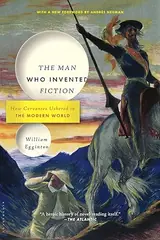 The Man Who Invented FictionWilliam Egginton47% match
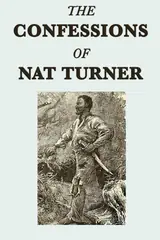 Confessions of Nat TurnerNat Turner55% match
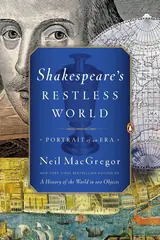 Shakespeare's Restless WorldNeil MacGregor66% matchShares Shakespeare Studies and Tudor & Elizabethan Britain
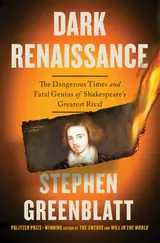 Dark RenaissanceStephen Greenblatt65% matchShares Tudor & Elizabethan Britain
For younger readers: Bard of Avon: the Story of William Shakespeare, All the World's Your Stage Shakespeare for Today, An Assassin's Guide to Love and Treason
Start with three books, and this one can be the first.
Members get a new edition every morning: a route out from their books to essays, research and talks, with the reason for each.
Start with this bookAbout this book
Nearly four hundred years after his death, Shakespeare permeates our everyday lives: from the words we speak to the teenage heartthrobs we worship to the political rhetoric spewed by the twenty-four-hour news cycle. In the pages of this wickedly clever little book, Esquire columnist Stephen Marche uncovers the hidden influence of Shakespeare in our culture.
Continue reading
Some fascinating tidbits: - Shakespeare coined more than 1,700 words, including hobnob, glow, lackluster, and dawn. - Paul Robeson's 1943 performance as Othello on Broadway was a seminal moment in black history. - Tolstoy wrote an entire book about Shakespeare's failures as a writer. - In 1936, the Nazi Party tried to claim Shakespeare as a Germanic writer. - Without Shakespeare, the book titles Infinite Jest, The Sound and the Fury, and Brave New World wouldn't exist. - The name Jessica was first used in The Merchant of Venice. - Freud's idea of a healthy sex life came directly from the Bard. Stephen Marche has cherry-picked the sweetest and most savory historical footnotes from Shakespeare's work and life to create this unique celebration of the greatest bard of all time.
The Bard, Everywhere
A brisk, playful look at how Shakespeare’s words and work keep turning up in modern life.
Come here for
- Shakespeare’s fingerprints on everyday language and culture
- Literary history with a sly, surprising edge
Expect
- Historical footnotes spanning politics, performance, and popular culture
- A celebration that treats the Bard’s influence as anything but dusty
Where it sits
| Shakespeare Studies | 89% |
|---|---|
| Tudor & Elizabethan Britain | 19% |
| Books & Reading | 18% |
Percentages are BookFrontier’s reading of the book.
Publisher categories
- Western European History
- Studying History
- Civilizations
- Authors
- Stephen Marche
- Publisher
- HarperCollins
- Published
- August 7, 2012
- Format
- Paperback
- Reading lane
- Western European History