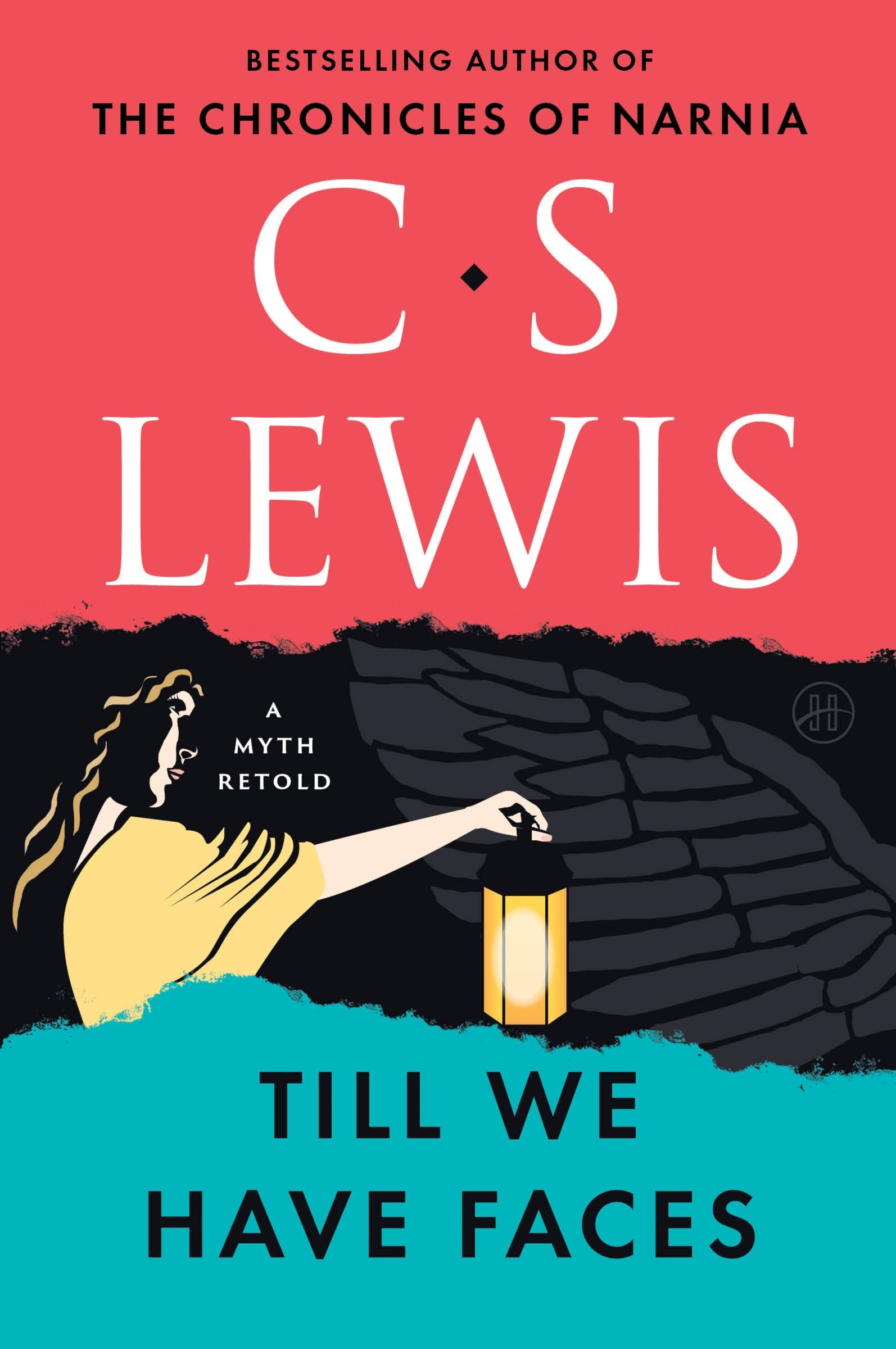
Till We Have Faces
A Myth Retold
HarperCollins · Print & ebook · February 14, 2017
This twist on an old story, is an exploration of love—between sisters, between friends, between teacher and pupil, between men and women.
We earn from qualifying purchases.
- Who it’s for
- A myth retold through a sister’s eyes turns love, grief, and faith into uneasy questions.
- Themes
- Sisterly love and envy, Grief, guilt, and betrayal, Faith and divine power
- Genres
- Christian Allegory, Fairy Tales & Myths, The Classics
Nearest books
Matched by what the books are about, then ordered by what their readers also loved.
 Private RitesJulia Armfield54% match
 One Aladdin Two LampsJeanette Winterson56% match
 Pandora's JarNatalie Haynes56% match
 CassandraChrista Wolf53% matchShares Fairy Tales & Myths
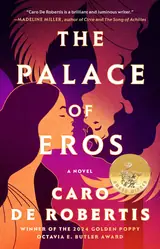 The Palace of ErosCaro De Robertis70% matchShares Fairy Tales & Myths
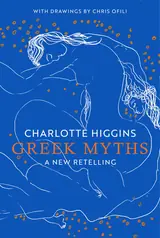 Greek MythsCharlotte Higgins, Chris Ofili63% matchShares Fairy Tales & Myths
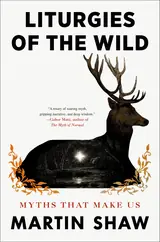 Liturgies of the WildMartin Shaw59% match
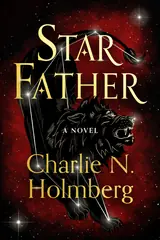 Star FatherCharlie N. Holmberg57% matchShares Fairy Tales & Myths
For younger readers: The House Saphir, Gentlest of Wild Things, Merlin's Harp
Start with three books, and this one can be the first.
Members get a new edition every morning: a route out from their books to essays, research and talks, with the reason for each.
Start with this bookAbout this book
This twist on an old story, is an exploration of love—between sisters, between friends, between teacher and pupil, between men and women. Till We Have Faces is retold through the eyes of Psyche’s oldest sister, Orual. Orual was born ugly and even though she’s a princess, she struggles with the death of her mother and the friction between her sisters. There are two lights in Orual’s life. One is her tutor, the Fox, a Greek slave captured through war.
Continue reading
The other is her much younger sister Istra, later nicknamed Psyche, born from Orual’s father’s second marriage. Istra is beautiful and sweet and good but far from being jealous of her, Orual loves her as a daughter. When the priest of Ungit says that Psyche’s great beauty is an insult to the goddess and she must be sacrificed, Orual fights to prevent this. When Orual expects to find her sister dead, she finds her well and thriving. But, why can’t Orual see what everyone else sees? Blinded by her jealous love, Orual castes blame on the duplicity of gods. What is the truth? What is real? Lewis’s novel is a brilliant examination of envy, loss, betrayal, blame, grief, guilt, and conversion. Why must holy places be dark places? Lewis reminds us of our own fallibility and the role of a higher power in our lives. “Holy places are dark places. It is life and strength, not knowledge and words, that we get in them. Holy wisdom is not clear and thin like water, but thick and dark like blood.”
Love in Shadow
A myth retold through a sister’s eyes turns love, grief, and faith into uneasy questions.
Come here for
- An old myth reframed by a sister’s complicated love
- Questions of divine silence, grief, and blame
Expect
- Intimate reflections on envy, loss, and guilt
- A searching account of what we see—and what we cannot
Where it sits
| Fairy Tales & Myths | 61% |
|---|---|
| Christian Allegory | 32% |
| The Classics | 26% |
Percentages are BookFrontier’s reading of the book.
Publisher categories
- The Classics
- Fantasy
- Fairy Tales & Myths
- Literary Fiction
Show all 8 publisher categories
- Faith & Fiction
- Christian Allegory
- Christian Westerns
- Christian Fantasy
- Authors
- C. S. Lewis
- Publisher
- HarperCollins
- Published
- February 14, 2017
- Format
- Print & ebook
- Theme
- Sisterly love and envy · Grief, guilt, and betrayal · Faith and divine power
- Reading lane
- The Classics