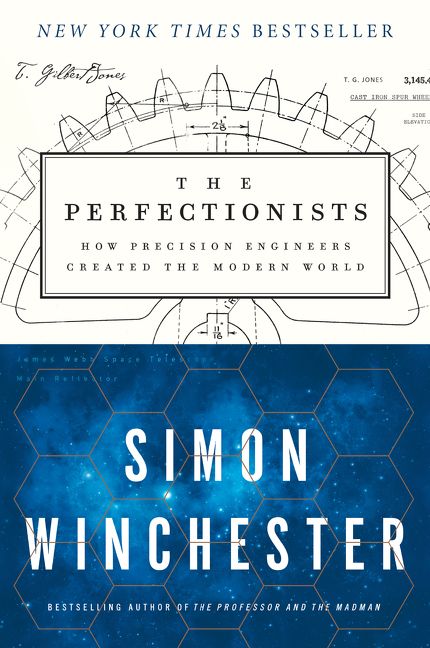
The Perfectionists
How Precision Engineers Created the Modern World
HarperCollins · Print & ebook · May 7, 2019
“Another gem from one of the world’s justly celebrated historians specializing in unusual and always fascinating subjects and people.” — Booklist (starred review) The revered New York Times bestselling author traces the development of technology from the Industrial Age to the Digital Age to explore the single component crucial to advancement—precision—in a superb history of technology that is both an homage and a warning for our future.
We earn from qualifying purchases.
- Who it’s for
- Readers interested in the history of technology and industrial development
- Themes
- precision engineering, industrial revolution, technological innovation
- Pacing
- Steady
Nearest books
Matched by what the books are about, then ordered by what their readers also loved.
 Knowing What We KnowSimon Winchester, Harper63% match
 The Idea FactoryJon Gertner62% matchShares History of Technology
 The Clockwork UniverseEdward Dolnick, Alan Sklar61% matchShares History of Science
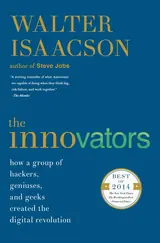 The InnovatorsWalter Isaacson61% matchShares History of Technology
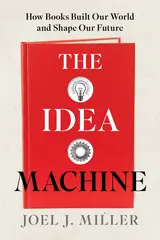 The Idea MachineJoel J. Miller61% match
For younger readers: The Way Things Work: Newly Revised Edition, The Industrial Revolution for Kids, Future Tense
Start with three books, and this one can be the first.
Members get a new edition every morning: a route out from their books to essays, research and talks, with the reason for each.
Start with this bookAbout this book
“Another gem from one of the world’s justly celebrated historians specializing in unusual and always fascinating subjects and people.” — Booklist (starred review) The revered New York Times bestselling author traces the development of technology from the Industrial Age to the Digital Age to explore the single component crucial to advancement—precision—in a superb history of technology that is both an homage and a warning for our future.
Continue reading
The rise of manufacturing could not have happened without an attention to precision. At the dawn of the Industrial Revolution in eighteenth-century England, standards of measurement were established, giving way to the development of machine tools—machines that make machines. Eventually, the application of precision tools and methods resulted in the creation and mass production of items from guns and glass to mirrors, lenses, and cameras—and eventually gave way to further breakthroughs, including gene splicing, microchips, and the Hadron Collider. In this fascinating history of science, Simon Winchester takes us back to origins of the Industrial Age, to England where he introduces the scientific minds that helped usher in modern production: John Wilkinson, Henry Maudslay, Joseph Bramah, Jesse Ramsden, and Joseph Whitworth. It was Thomas Jefferson who later exported their discoveries to the fledgling United States, setting the nation on its course to become an industrial manufacturing titan. Winchester moves forward through time, to today’s cutting-edge developments occurring around the world, from America to Western Europe to Asia. As he introduces the minds and methods that have changed the modern world, Winchester explores fundamental questions. Why is precision important? What are the different tools we use to measure it? Who has invented and perfected it? Has the pursuit of technological innovation and the ultra-precise in so many facets of human life blinded us to other things of equal value, such as an appreciation for the age-old traditions of craftsmanship, art, and high culture? Are we missing something that reflects the world as it is, rather than the world as we think we would wish it to be? And can the precise and the natural co-exist in society? - The Dawn of the Machine Age: Journey back to eighteenth-century England and meet the minds—Wilkinson, Maudslay, Whitworth, and more—who invented the tools that built the modern world. - American Ingenuity: Discover the pivotal role Thomas Jefferson played in exporting these precision methods to the United States, sparking its rise as a global manufacturing power. - From Gears to Genes: Follow the fascinating thread connecting the first machine tools to today’s most stunning achievements, from microchips to the Hadron Collider. - A Human Question: Explore the profound questions about what we gain—and what we might lose—in our relentless pursuit of the ultra-precise.
Who it’s for
- Readers interested in the history of technology and industrial development
- Those curious about the role of precision engineering in modern advancements
Where it sits
| History of Technology | 89% |
|---|---|
| Manufacturing | 41% |
| History of Science | 39% |
Percentages are BookFrontier’s reading of the book.
Publisher categories
- 19th-Century America
- 18th-Century History
- 19th-Century History
- 20th-Century History
Show all 8 publisher categories
- Civilizations
- History of Science
- Engineering
- Manufacturing
- Authors
- Simon Winchester
- Publisher
- HarperCollins
- Published
- May 7, 2019
- Format
- Print & ebook
- Theme
- precision engineering · industrial revolution · technological innovation
- Reading lane
- 19th-Century America