
How Buildings Learn
What Happens After They're Built
Penguin Publishing Group · Print & ebook · October 1, 1995
A captivating exploration of the ever-evolving world of architecture and the untold stories buildings tell.
We earn from qualifying purchases.
- Who it’s for
- Readers interested in architecture and building design evolution
- Themes
- architecture evolution, human impact on buildings, design and function
- Pacing
- Reflective
Nearest books
Matched by what the books are about, then ordered by what their readers also loved.
 Why on Earth Would Anyone Build ThatJohn Zukowsky71% match
 How Architecture WorksWitold Rybczynski70% matchShares Architecture and Urban & Land Use Planning
 The Great IndoorsEmily Anthes69% match
 ArchitectureJonathan Glancey68% matchShares Architecture and History of Architecture
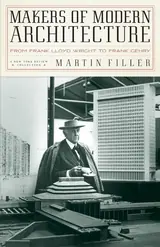 Makers of Modern ArchitectureMartin Filler68% match
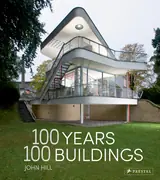 100 Years, 100 BuildingsJohn Hill67% matchShares Architecture
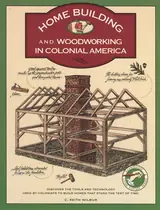 Homebuilding and WoodworkingC. Keith Wilbur62% matchShares History of Architecture
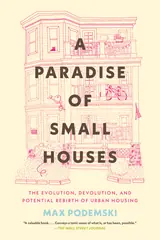 A Paradise of Small HousesMax Podemski61% matchShares Urban & Land Use Planning
For younger readers: If You Lived Here, Houses and Homes, Women of Steel and Stone
Start with three books, and this one can be the first.
Members get a new edition every morning: a route out from their books to essays, research and talks, with the reason for each.
Start with this bookAbout this book
A captivating exploration of the ever-evolving world of architecture and the untold stories buildings tell. When a building is finished being built, that isn’t the end of its story. More than any other human artifacts, buildings improve with time—if they’re allowed to. Buildings adapt by being constantly refined and reshaped by their occupants, and in that way, architects can become artists of time rather than simply artists of space.
Continue reading
From the connected farmhouses of New England to I.M. Pei’s Media Lab, from the evolution of bungalows to the invention of Santa Fe Style, from Low Road military surplus buildings to a High Road English classic like Chatsworth—this is a far-ranging survey of unexplored essential territory. Discover how structures become living organisms, shaped by the people who inhabit them, and learn how architects can harness the power of time to create enduring works of art through the interconnected worlds of design, function, and human ingenuity.
Who it’s for
- Readers interested in architecture and building design evolution
- Those curious about how buildings adapt over time through human interaction
Where it sits
| Architecture | 49% |
|---|---|
| History of Architecture | 47% |
| Urban & Land Use Planning | 36% |
Percentages are BookFrontier’s reading of the book.
Publisher categories
- Why Buildings Look That Way
- History of Architecture
- Historic Preservation
- Authors
- Stewart Brand
- Publisher
- Penguin Publishing Group
- Published
- October 1, 1995
- Format
- Print & ebook
- Theme
- architecture evolution · human impact on buildings · design and function
- Reading lane
- Why Buildings Look That Way