
Short Circuiting Policy
Interest Groups and the Battle Over Clean Energy and Climate Policy in the American States
Oxford University Press · Print & ebook · March 18, 2020
In 1999, Texas passed a landmark clean energy law, beginning a groundswell of new policies that promised to make the US a world leader in renewable energy.
We earn from qualifying purchases.
- Who it’s for
- A clear, practical guide to how clean-energy policy gets shaped in the states.
- Genres
- Energy Policy, Environmental Policy, Climate Change
- Published
- Oxford University Press, March 18, 2020
Nearest books
Matched by what the books are about, then ordered by what their readers also loved.
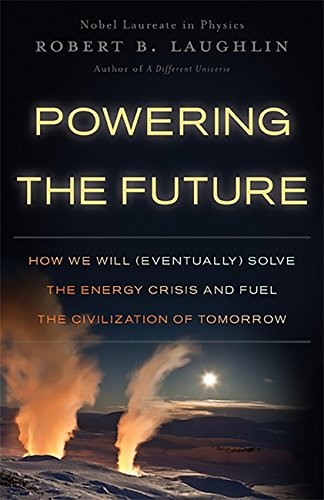 Powering the FutureRobert B. Laughlin, Traber Burns52% match
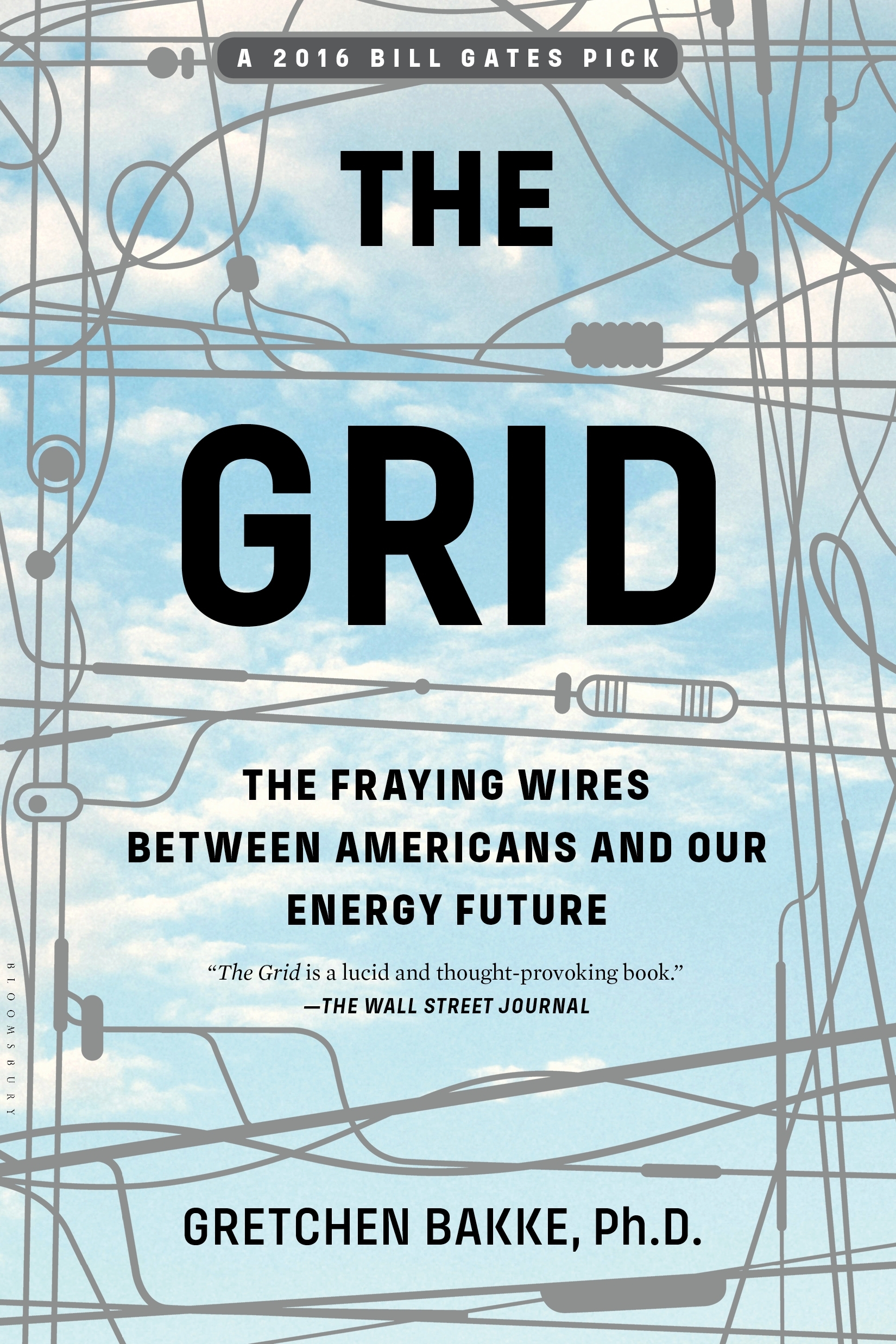 The GridGretchen Bakke, Emily Caudwell56% matchShares Energy Policy
 A Question of PowerRobert Bryce54% matchShares Energy Policy
 The Value of a WhaleAdrienne Buller48% matchShares Environmental Policy and Climate Change
 Volt RushHenry Sanderson51% matchShares Climate Change
 California BurningKatherine Blunt50% matchShares Energy Policy
 Democracy in ChainsNancy MacLean44% match
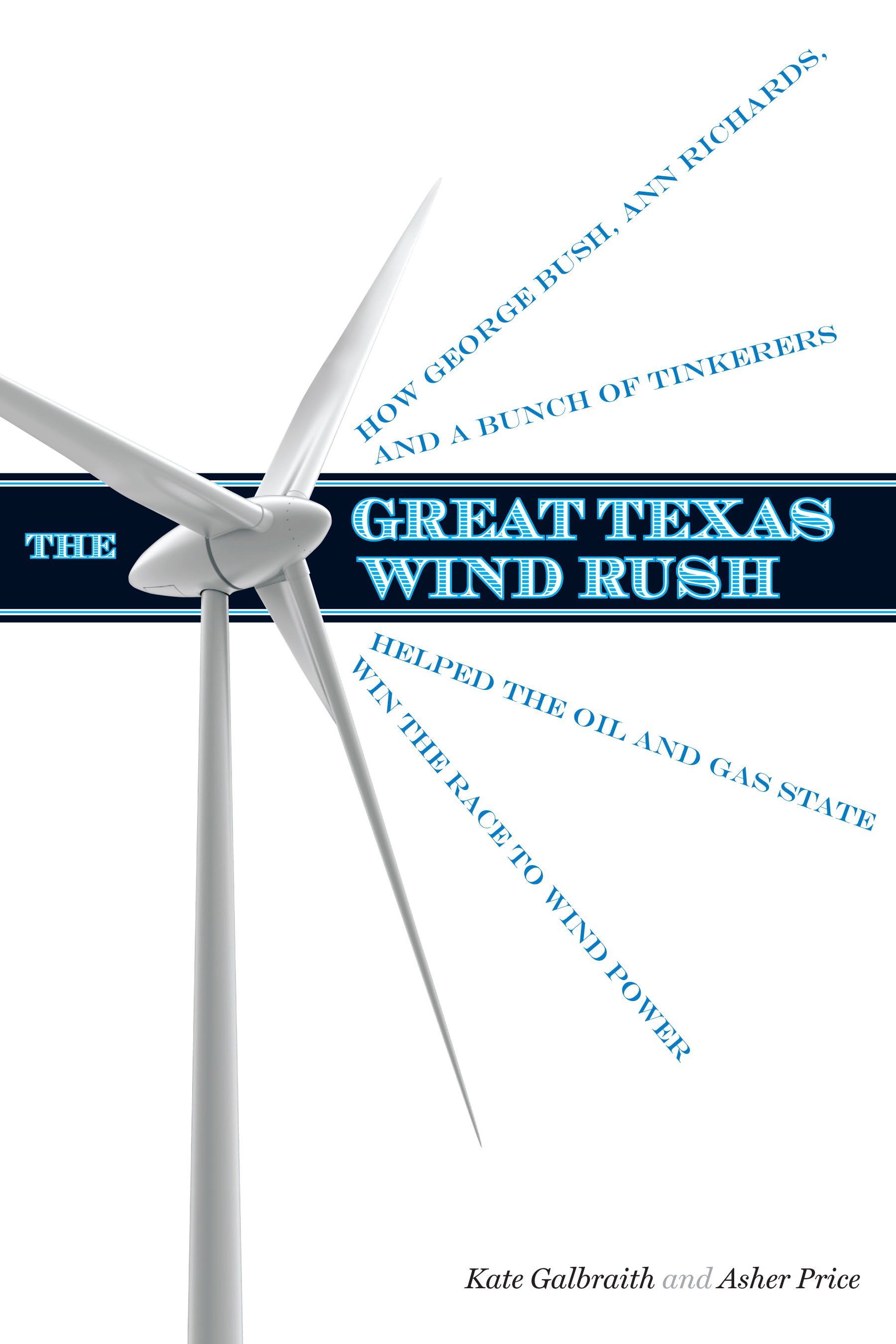 The Great Texas Wind RushKate Galbraith, Asher Price62% matchShares Energy Policy
For younger readers: The Twenty-one, Eyes Wide Open: Going Behind the Environmental Headlines, Taking on the Plastics Crisis
Start with three books, and this one can be the first.
Members get a new edition every morning: a route out from their books to essays, research and talks, with the reason for each.
Start with this bookAbout this book
In 1999, Texas passed a landmark clean energy law, beginning a groundswell of new policies that promised to make the US a world leader in renewable energy. As Leah Stokes shows in Short Circuiting Policy, however, that policy did not lead to momentum in Texas, which failed to implement its solar laws or clean up its electricity system.
Continue reading
Examining clean energy laws in Texas, Kansas, Arizona, and Ohio over a thirty-year time frame, Stokes argues that organized combat between advocate and opponent interest groups is central to explaining why states are not on track to address the climate crisis. She tells the political history of our energy institutions, explaining how fossil fuel companies and electric utilities have promoted climate denial and delay. Stokes further explains the limits of policy feedback theory, showing the ways that interest groups drive retrenchment through lobbying, public opinion, political parties and the courts. More than a history of renewable energy policy in modern America, Short Circuiting Policy offers a bold new argument about how the policy process works, and why seeming victories can turn into losses when the opposition has enough resources to roll back laws.
Policy, Unplugged
A clear, practical guide to how clean-energy policy gets shaped in the states.
Come here for
- clean-energy policy, clearly mapped
- state-level politics without the fog
Expect
- accessible political explanation
- easy dip-in reading
Where it sits
| Energy Policy | 76% |
|---|---|
| Environmental Policy | 61% |
| Climate Change | 34% |
Percentages are BookFrontier’s reading of the book.
Publisher categories
- Comparative Politics
- Authors
- Leah Cardamore Stokes, Teri Schnaubelt, Kalorama
- Publisher
- Oxford University Press
- Published
- March 18, 2020
- Format
- Print & ebook
- Reading lane
- Comparative Politics