
Shinto
A History
Oxford University Press · Print & ebook · November 11, 2016
Distinguished scholar of Japanese religion and culture Helen Hardacre offers the first comprehensive history of Shinto, the ancient and still vibrant tradition whose colorful rituals are practiced by some 80% of the Japanese people.
We earn from qualifying purchases.
- Who it’s for
- A layered, classroom-friendly guide that treats Shinto as history, practice, and idea.
- Genres
- Shinto, Japanese History, Asian Culture & Society
- Published
- Oxford University Press, November 11, 2016
Nearest books
Matched by what the books are about, then ordered by what their readers also loved. Most of these share its genres: Shinto and Japanese History.
 A New History of ShintoJohn Breen, Mark Teeuwen81% match
 A Year in the Life of a Shinto ShrineJohn K. Nelson76% matchAlso shares Asian Culture & Society
 A Study of ShintoGenchi Katu75% match
 Japanese CultureRoger J. Davies64% matchAlso shares Asian Culture & Society
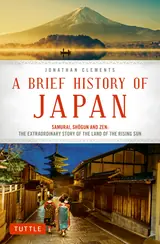 A Brief History of JapanJonathan Clements60% match
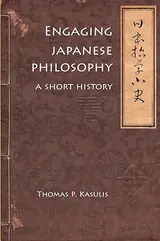 Engaging Japanese PhilosophyThomas P. Kasulis59% match
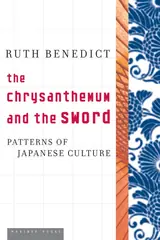 The Chrysanthemum and the SwordRuth Benedict58% matchAlso shares Asian Culture & Society
For younger readers: Samurai Shortstop, Buddhism, Commodore Perry in the Land of the Shogun
Start with three books, and this one can be the first.
Members get a new edition every morning: a route out from their books to essays, research and talks, with the reason for each.
Start with this bookAbout this book
Distinguished scholar of Japanese religion and culture Helen Hardacre offers the first comprehensive history of Shinto, the ancient and still vibrant tradition whose colorful rituals are practiced by some 80% of the Japanese people. Under the ideal of Shinto, a divinely descended emperor governs through rituals offered to deities called Kami. These rituals are practiced in innumerable shrines across the realm, so that local rites mirror the monarch's ceremonies.
Continue reading
Through this theatre of state, it is thought, the human, natural, and supernatural worlds will align in harmony and prosper. Often called "the indigenous religion of Japan," Shinto's institutions, rituals, and symbols are omnipresent throughout the island nation. But, perhaps surprisingly, both its religiosity and its Japanese origins have been questioned. Hardacre investigates the claims about Shinto as the embodiment of indigenous tradition, and about its rightful place in the public realm. Shinto has often been represented in the West as the engine that drove Japanese military aggression. To this day, it is considered provocative for members of the government to visit the Yasukuni Shrine in Tokyo, which honors the Japanese war dead, and this features as a source of strain in Japan's relations with China and Korea. This is a debated issue in Japanese national politics and reliably attracts intensive media coverage. Hardacre contends, controversially, that it was the Allied Occupation that created this stereotype of Shinto as the religion of war, when in fact virtually all branches of Japanese religions were cheerleaders for the war and imperialism. The history and nature of Shinto are subjects of vital importance for understanding contemporary Japan, its politics, its international relations, and its society. Hardacre's magisterial work will stand as the definitive reference for years to come.
Why It Clicks
A layered, classroom-friendly guide that treats Shinto as history, practice, and idea.
Come here for
- Shinto in historical context
- Cultural literacy without jargon
Expect
- Sustained, explanatory reading
- Useful for study or reference
Where it sits
| Shinto | 99% |
|---|---|
| Japanese History | 77% |
| Asian Culture & Society | 36% |
Percentages are BookFrontier’s reading of the book.
Publisher categories
- Pop Culture Studies
- Authors
- Helen Hardacre
- Publisher
- Oxford University Press
- Published
- November 11, 2016
- Format
- Print & ebook
- Reading lane
- Pop Culture Studies