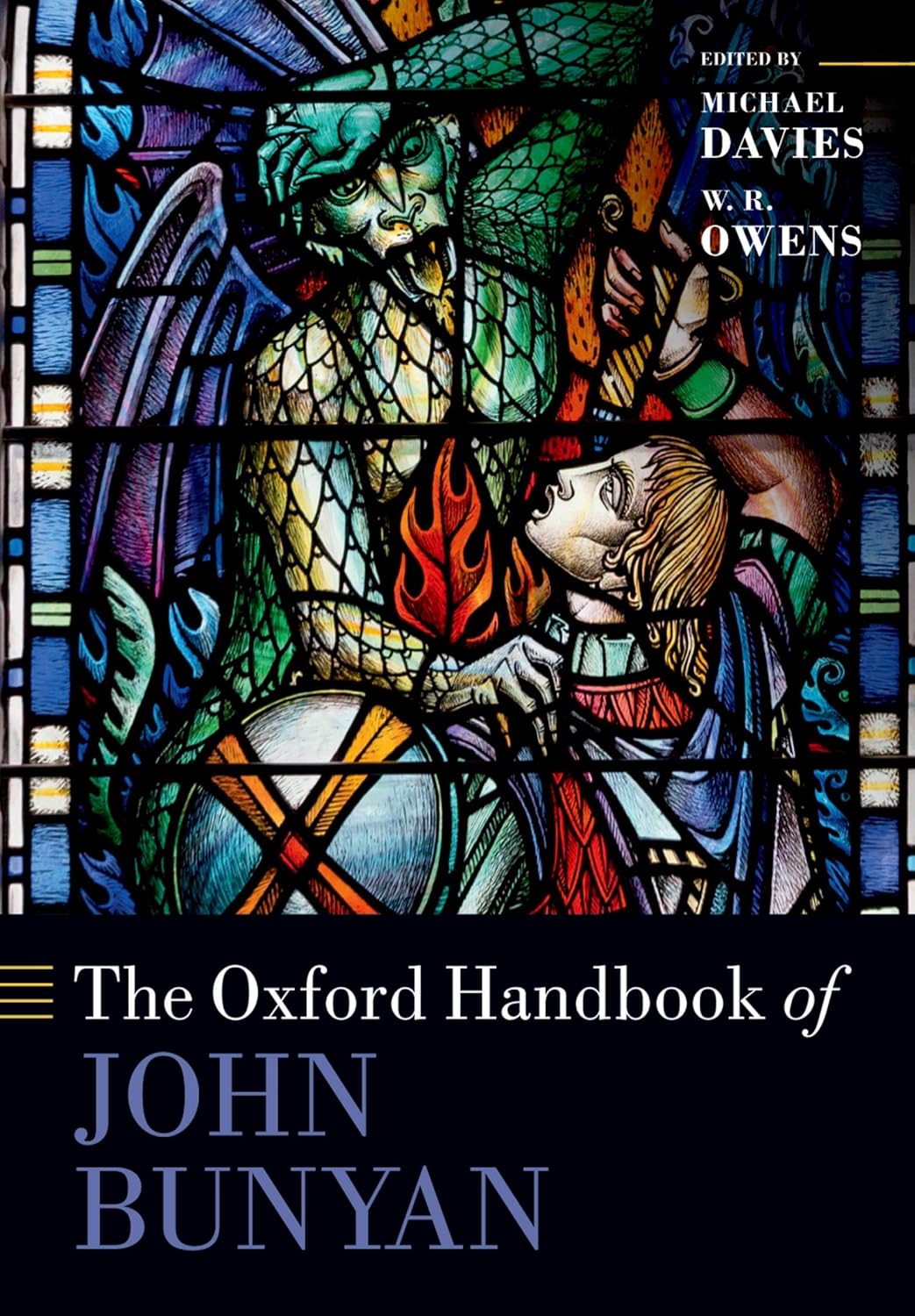
The Oxford Handbook of John Bunyan
Illustrated Edition, Kindle Edition
Oxford University Press · Ebook · November 11, 2021
We earn from qualifying purchases.
- Who it’s for
- Essays examine Bunyan’s life, writings, religious contexts, criticism, and global journeys.
- Genres
- British & Irish Literary Criticism, Religion in Literature, Religion in the Arts
- Published
- Oxford University Press, November 11, 2021
Nearest books
Matched by what the books are about, then ordered by what their readers also loved.
 The Oxford Handbook of the Victorian NovelLisa Rodensky53% matchShares British & Irish Literary Criticism
 The Oxford Guide to the Book of Common PrayerCharles Hefling, Cynthia Shattuck53% match
 A Plain Account of Christian PerfectionJohn Wesley53% match
 The Sovereignty of GodArthur W. Pink52% match
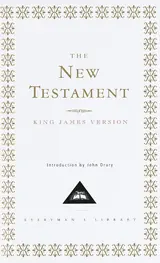 The New TestamentEveryman's Library, John Drury51% match
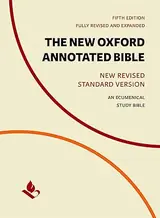 The New Oxford Annotated BibleMichael Coogan, Marc Brettler51% match
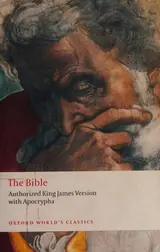 The Bible: Authorized King James VersionRobert Carroll, Stephen Prickett51% match
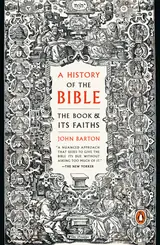 A History of the BibleJohn Barton51% match
For younger readers: Charles Dickens and the Street Children of London
Start with three books, and this one can be the first.
Members get a new edition every morning: a route out from their books to essays, research and talks, with the reason for each.
Start with this bookAbout this book
The Oxford Handbook of John Bunyan is the most extensive volume of original essays ever published on the seventeenth-century nonconformist preacher and writer, John Bunyan. Its thirty-eight chapters examine Bunyan's life and works, their religious and historical contexts, and the critical reception of his writings, in particular his allegorical narrative, The Pilgrim's Progress.
Continue reading
Interdisciplinary and comprehensive, it provides unparalleled scope and expertise, ranging from literary theory to religious history and from theology to post-colonial criticism. The Handbook is structured in four sections. The first, 'Contexts', deals with the historical Bunyan in relation to various aspects of his life, background, and work as a nonconformist: from basic facts of biography to the nature of his church at Bedford, his theology, and the religious and political cultures of seventeenth-century Dissent. Part 2 considers Bunyan's literary output: from his earliest printed tracts to his posthumously published works. Offering discrete chapters on Bunyan's major works - Grace Abounding to the Chief of Sinners (1666), The Pilgrim's Progress, Parts I and II (1678; 1684); The Life and Death of Mr. Badman (1680), and The Holy War (1682) - this section nevertheless covers Bunyan's oeuvre in its entirety: controversial and pastoral, narrative and poetic. Section 3, 'Directions in Criticism', engages with Bunyan in literary critical terms, focusing on his employment of form and language and on theoretical approaches to his writings: from psychoanalytic to post-secular criticism. Section 4, 'Journeys', tackles some of the ways in which Bunyan's works, and especially The Pilgrim's Progress, have travelled throughout the world since the late seventeenth century, assessing Bunyan's place within key literary periods and their distinctive developments: from the eighteenth-century novel to the writing of 'empire'.
Bunyan Across Contexts
Essays examine Bunyan’s life, writings, religious contexts, criticism, and global journeys.
Come here for
- Bunyan’s church at Bedford, theology, and seventeenth-century Dissent
- Critical approaches from literary theory to post-colonial criticism
Expect
- Chapters on his major works, from Grace Abounding to The Holy War
- Studies of The Pilgrim’s Progress and its travels across literary periods
Where it sits
| British & Irish Literary Criticism | 69% |
|---|---|
| Religion in the Arts | 42% |
| Religion in Literature | 34% |
Percentages are BookFrontier’s reading of the book.
Publisher categories
- Literary Criticism
- Authors
- Michael Davies, W. R. Owens
- Publisher
- Oxford University Press
- Published
- November 11, 2021
- Format
- Ebook
- Reading lane
- Literary Criticism