
Structure and Interpretation of Computer Programs, Second Edition
MIT Press · Print & ebook · July 25, 1996
A Programming pick for readers exploring Structure and Interpretation of Computer Programs, Second Edition.
We earn from qualifying purchases.
- Who it’s for
- A demanding look at how programming models shape computation, from stateful objects to lazy evaluation.
- Themes
- Programming language implementation, Time in computational models, Functional and concurrent programming
- Genres
- Programming Basics, Computer Science, Algorithms
Nearest books
Matched by what the books are about, then ordered by what their readers also loved. Most of these share its genre: Programming Basics.
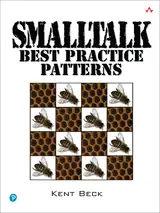 Smalltalk Best Practice PatternsKent Beck55% match
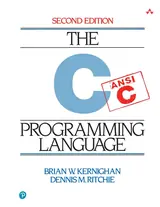 C Programming LanguageDennis Ritchie, Brian W. Kernighan55% match
 The Mythical Man-monthFrederick P. Brooks Jr.51% match
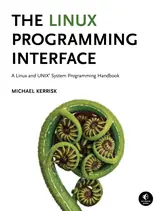 The Linux Programming InterfaceMichael Kerrisk51% match
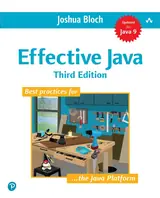 Effective JavaJoshua Bloch53% match
 Go Programming Language, theAlan Donovan, Brian Kernighan50% match
 More Effective C#Bill Wagner51% match
 Designing Data-intensive ApplicationsMartin Kleppmann50% match
For younger readers: Python for Kids, 2nd Edition
Start with three books, and this one can be the first.
Members get a new edition every morning: a route out from their books to essays, research and talks, with the reason for each.
Start with this bookAbout this book
Structure and Interpretation of Computer Programs has had a dramatic impact on computer science curricula over the past decade. This long-awaited revision contains changes throughout the text. There are new implementations of most of the major programming systems in the book, including the interpreters and compilers, and the authors have incorporated many small changes that reflect their experience teaching the course at MIT since the first edition was published.
Continue reading
A new theme has been introduced that emphasizes the central role played by different approaches to dealing with time in computational models: objects with state, concurrent programming, functional programming and lazy evaluation, and nondeterministic programming. There are new example sections on higher-order procedures in graphics and on applications of stream processing in numerical programming, and many new exercises. In addition, all the programs have been reworked to run in any Scheme implementation that adheres to the IEEE standard.
Time and Computation
A demanding look at how programming models shape computation, from stateful objects to lazy evaluation.
Come here for
- The conceptual range from interpreters and compilers to concurrency and nondeterminism
- A sustained look at time in computational models
Expect
- Specialist-level treatment of programming concepts
- Reworked programs, new examples, and many exercises
Where it sits
| Programming Basics | 62% |
|---|---|
| Algorithms | 33% |
| Computer Science | 30% |
Percentages are BookFrontier’s reading of the book.
Publisher categories
- Compilers
- Computer Science
- Algorithms
- Authors
- Harold Abelson, Gerald Jay Sussman
- Publisher
- MIT Press
- Published
- July 25, 1996
- Format
- Print & ebook
- Theme
- Programming language implementation · Time in computational models · Functional and concurrent programming
- Reading lane
- Compilers