
The New Librarianship Field Guide
MIT Press · Paperback · May 13, 2016
How librarians can be radical positive change agents in their communities, dedicated to learning and making a difference.
We earn from qualifying purchases.
- Who it’s for
- A concise guide to seeing librarianship as community work, grounded in learning and positive change.
- Themes
- Community-centered librarianship, Knowledge creation, Libraries as agents of social change
- Genres
- Library Administration, Library & Info Science, Collection Development
Nearest books
Matched by what the books are about, then ordered by what their readers also loved.
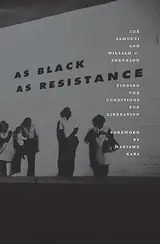 As Black As ResistanceWilliam C. Anderson, Zoé Samudzi56% match
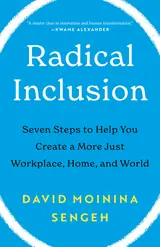 Radical InclusionDavid Moinina Sengeh55% match
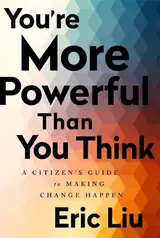 You're More Powerful Than You ThinkEric Liu51% match
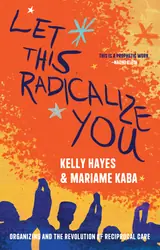 Let This Radicalize YouKelly Hayes, Mariame Kaba51% match
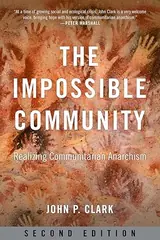 The Impossible CommunityJohn P. Clark51% match
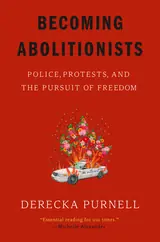 Becoming AbolitionistsDerecka Purnell51% match
For younger readers: Rad American History A-z, America Redux: Visual Stories From Our Dynamic History, How I Resist
Start with three books, and this one can be the first.
Members get a new edition every morning: a route out from their books to essays, research and talks, with the reason for each.
Start with this bookAbout this book
How librarians can be radical positive change agents in their communities, dedicated to learning and making a difference. This book offers a guide for librarians who see their profession as a chance to make a positive difference in their communities—librarians who recognize that it is no longer enough to stand behind a desk waiting to serve.
Continue reading
R. David Lankes, author of The Atlas of New Librarianship, reminds librarians of their mission: to improve society by facilitating knowledge creation in their communities. In this book, he provides tools, arguments, resources, and ideas for fulfilling this mission. Librarians will be prepared to become radical positive change agents in their communities, and other readers will learn to understand libraries in a new way. The librarians of Ferguson, Missouri, famously became positive change agents in August 2014 when they opened library doors when schools were closed because of civil unrest after the shooting of an unarmed teen by police. Working with other local organizations, they provided children and their parents a space for learning, lunch, and peace. But other libraries serve other communities—students, faculty, scholars, law firms—in other ways. All libraries are about community, writes Lankes; that is just librarianship. In concise chapters, Lankes addresses the mission of libraries and explains what constitutes a library. He offers practical advice for librarian training; provides teaching notes for each chapter; and answers “Frequently Argued Questions” about the new librarianship.
Libraries in Motion
A concise guide to seeing librarianship as community work, grounded in learning and positive change.
Come here for
- A fresh way to think about libraries’ role in society
- Practical ideas for librarians seeking to serve beyond the desk
Expect
- Concise chapters on library mission and what makes a library
- Tools, resources, training advice, and teaching notes
Where it sits
| Library Administration | 52% |
|---|---|
| Library & Info Science | 51% |
| Collection Development | 28% |
Percentages are BookFrontier’s reading of the book.
Publisher categories
- Library Administration
- Authors
- R. David Lankes
- Publisher
- MIT Press
- Published
- May 13, 2016
- Format
- Paperback
- Theme
- Community-centered librarianship · Knowledge creation · Libraries as agents of social change
- Reading lane
- Library Administration