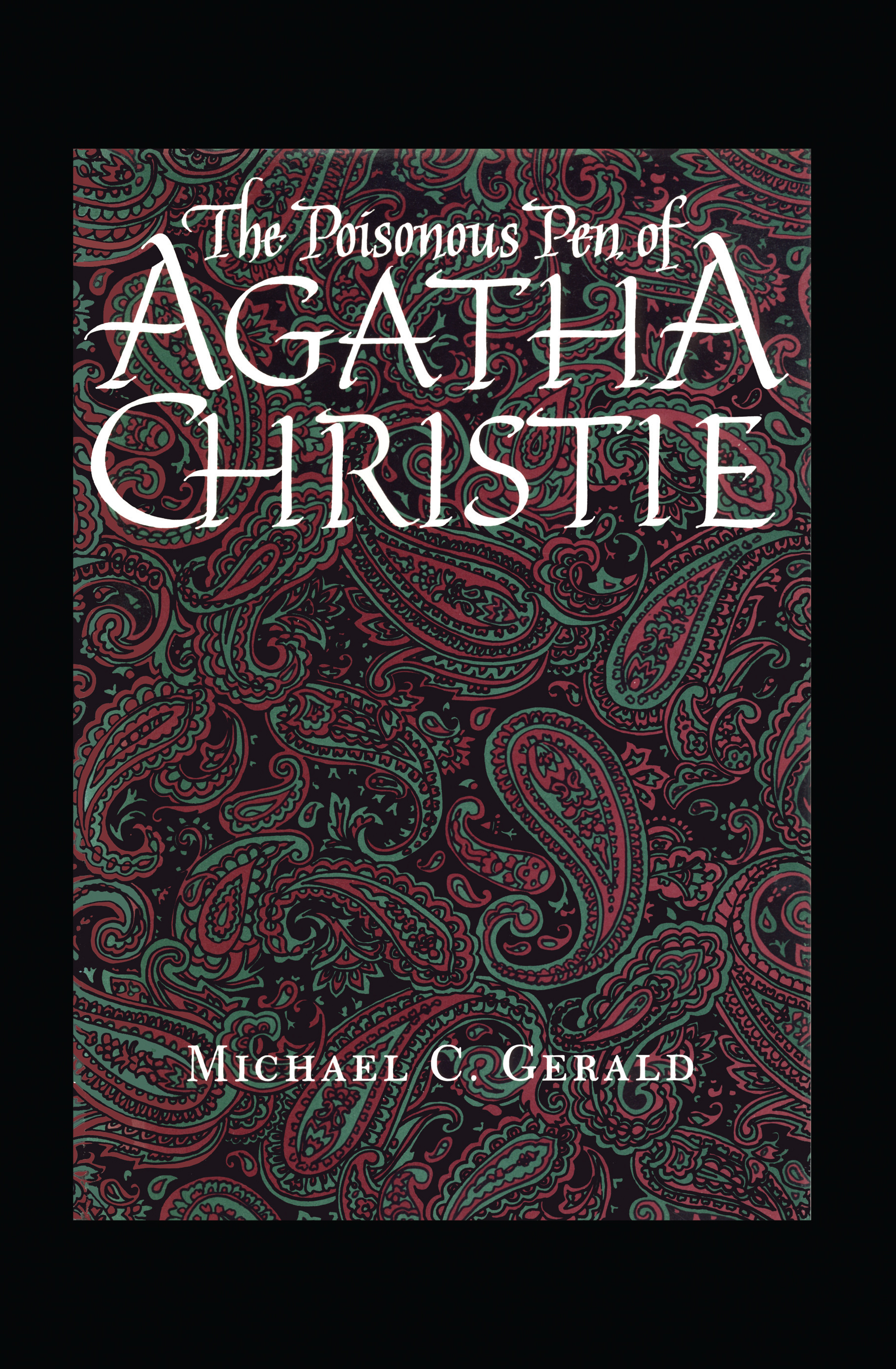
The Poisonous Pen of Agatha Christie
University of Texas Press · Paperback · June 1, 1993
Poisoning occurs in over half of Agatha Christie's many novels and stories.
We earn from qualifying purchases.
- Who it’s for
- Michael Gerald examines how Christie used poisons and medicines, with references to each chemical’s appearances.
- Themes
- Poisons and drugs in Christie's fiction, Medicines and chemical uses, Drug addiction and health professions
- Genres
- Mystery & Crime Crit, Toxicology, Pharmacology
Nearest books
Matched by what the books are about, then ordered by what their readers also loved.
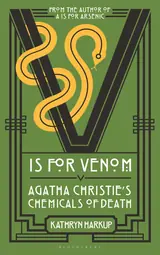 V Is for VenomKathryn Harkup85% matchShares Mystery & Crime Crit
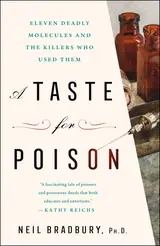 A Taste for PoisonNeil Bradbury68% matchShares Toxicology
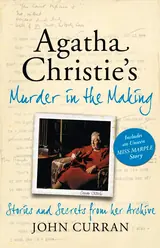 Agatha Christie's Murder in the MakingJohn Curran60% matchShares Mystery & Crime Crit
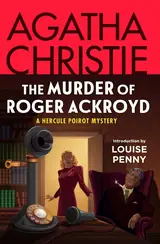 The Murder of Roger AckroydHugh Fraser, Agatha Christie59% match
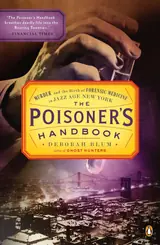 The Poisoner's HandbookDeborah Blum58% matchShares Toxicology
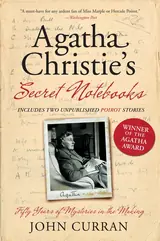 Agatha Christie's Secret NotebooksJohn Curran58% matchShares Mystery & Crime Crit
Start with three books, and this one can be the first.
Members get a new edition every morning: a route out from their books to essays, research and talks, with the reason for each.
Start with this bookAbout this book
Poisoning occurs in over half of Agatha Christie's many novels and stories. In fact, she used a larger number and broader selection of poisons and medicines, for a wider variety of purposes, with greater frequency, ingenuity, and scientific accuracy than any other detective fiction writer. Yet very little has been written on the use of drugs, poisons, and chemicals in Christie's fiction. The Poisonous Pen of Agatha Christie entertainingly and authoritatively fills this gap.
Continue reading
Michael Gerald explores the use of poisons and drugs in Christie's fiction not only to commit murder and suicide but also to incapacitate a victim, alter behavior, treat disease, or support addiction. He also analyzes her views, as expressed in her fiction and autobiography, on drug addiction, the health professions, the value of medicines, and scientific discoveries. Especially valuable is Gerald's exhaustive listing of all drugs, poisons, and chemicals mentioned in Christie's novels and stories, with references to the work(s) in which each appears and the ways in which each is used. Other tables list all the novels and short stories and the chemicals that are used in each. Throughout, the properties of all drugs are clearly explained so that the reader needs no special scientific or medical knowledge. The Poisonous Pen of Agatha Christie illuminates the fictional uses Christie made of her real-life experiences as a hospital drug dispenser and as a provider of nursing care. It will be of interest to fans and scholars alike.
Christie’s Chemicals
Michael Gerald examines how Christie used poisons and medicines, with references to each chemical’s appearances.
Come here for
- Poisons and drugs used across Christie's fiction
- Her views on addiction, medicine, and the health professions
Expect
- Explanations of drug properties without specialist medical or scientific knowledge
- Tables listing chemicals by novel and short story
Where it sits
| Mystery & Crime Crit | 92% |
|---|---|
| Pharmacology | 39% |
| Toxicology | 39% |
Percentages are BookFrontier’s reading of the book.
Publisher categories
- Mystery & Crime Crit
- Pharmacology
- Authors
- Michael C. Gerald
- Publisher
- University of Texas Press
- Published
- June 1, 1993
- Format
- Paperback
- Theme
- Poisons and drugs in Christie's fiction · Medicines and chemical uses · Drug addiction and health professions
- Reading lane
- Mystery & Crime Crit