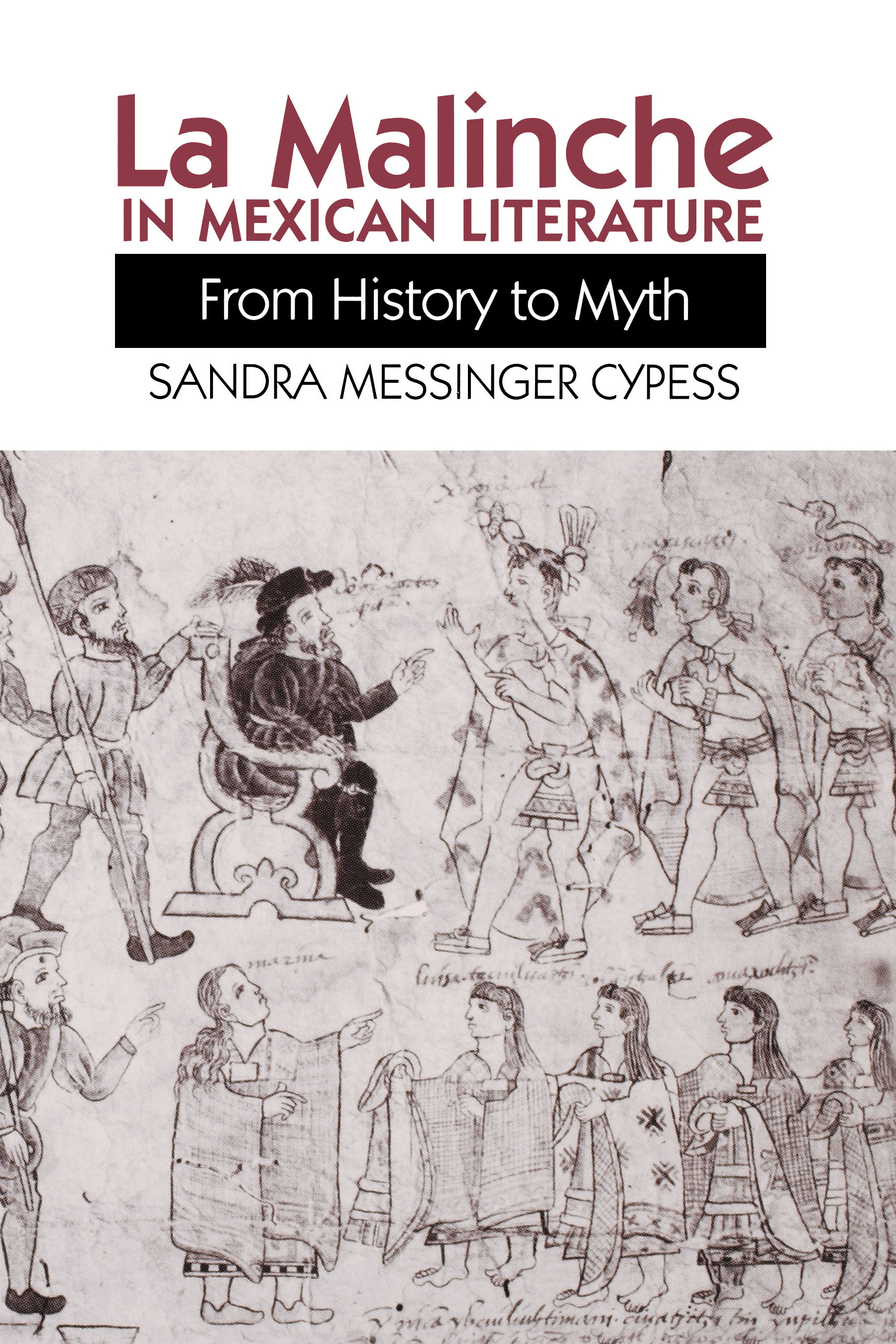
La Malinche in Mexican Literature
From History to Myth
University of Texas Press · Print & ebook · December 1, 1991
Of all the historical characters known from the time of the Spanish conquest of the New World, none has proved more pervasive or controversial than that of the Indian interpreter, guide, mistress, and confidante of Hernán Cortés, Doña Marina—La Malinche—Malintzin.
We earn from qualifying purchases.
- Who it’s for
- Trace how Mexican literature recasts La Malinche as a figure shaped by changing political moments.
- Themes
- La Malinche as a literary symbol, Literature and political agendas, Changing cultural interpretations
- Genres
- Hispanic American Lit Crit, Mexican History, Hispanic American Studies
Nearest books
Matched by what the books are about, then ordered by what their readers also loved.
 A Hero for the AmericasRobert Calder50% matchShares Mexican History
 In the Shadow of QuetzalcoatlMerilee Grindle50% matchShares Mexican History
 Narratives of Greater MexicoHéctor Calderón49% matchShares Hispanic American Lit Crit and Hispanic American Studies
 Shakin' Up Race and GenderMarta E. Sánchez49% matchShares Hispanic American Studies
 Buenas Noches, American CultureMaría DeGuzmán48% matchShares Hispanic American Lit Crit and Hispanic American Studies
 Baroque SovereigntyAnna More48% matchShares Mexican History
 Lieutenant NunCatalina De Erauso48% match
For younger readers: I, Juan De Pareja, Indio, Codex Black (book One): a Fire Among Clouds
Start with three books, and this one can be the first.
Members get a new edition every morning: a route out from their books to essays, research and talks, with the reason for each.
Start with this bookAbout this book
Of all the historical characters known from the time of the Spanish conquest of the New World, none has proved more pervasive or controversial than that of the Indian interpreter, guide, mistress, and confidante of Hernán Cortés, Doña Marina—La Malinche—Malintzin. The mother of Cortés's son, she becomes not only the mother of the mestizo but also the Mexican Eve, the symbol of national betrayal. Very little documented evidence is available about Doña Marina.
Continue reading
This is the first serious study tracing La Malinche in texts from the conquest period to the present day. It is also the first study to delineate the transformation of this historical figure into a literary sign with multiple manifestations. Cypess includes such seldom analyzed texts as Ireneo Paz's Amor y suplicio and Doña Marina, as well as new readings of well-known texts like Octavio Paz's El laberinto de la soledad. Using a feminist perspective, she convincingly demonstrates how the literary depiction and presentation of La Malinche is tied to the political agenda of the moment. She also shows how the symbol of La Malinche has changed over time through the impact of sociopolitical events on the literary expression.
La Malinche in Texts
Trace how Mexican literature recasts La Malinche as a figure shaped by changing political moments.
Come here for
- La Malinche’s depictions from the conquest period to the present
- Feminist readings of literary portrayals and political agendas
Expect
- Readings of Ireneo Paz and Octavio Paz
- A study of La Malinche as a literary sign
Where it sits
| Hispanic American Lit Crit | 76% |
|---|---|
| Mexican History | 54% |
| Hispanic American Studies | 40% |
Percentages are BookFrontier’s reading of the book.
Publisher categories
- Caribbean & Latin American Criticism
- Authors
- Sandra Messinger Cypess
- Publisher
- University of Texas Press
- Published
- December 1, 1991
- Format
- Print & ebook
- Theme
- La Malinche as a literary symbol · Literature and political agendas · Changing cultural interpretations
- Reading lane
- Caribbean & Latin American Criticism