
A General Introduction to the Bible
From Ancient Tablets to Modern Translations
Zondervan · Print & ebook · August 14, 1990
What does the word "Bible" mean?
We earn from qualifying purchases.
- Who it’s for
- David Ewert surveys how the Christian Bible was formed, transmitted, organized, and translated.
- Genres
- Biblical Studies, Biblical History & Culture, Bible Handbooks
- Published
- Zondervan, August 14, 1990
Nearest books
Matched by what the books are about, then ordered by what their readers also loved.
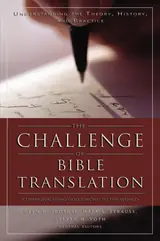 The Challenge of Bible TranslationZondervan, Glen G. Scorgie69% match
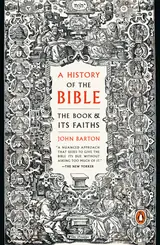 A History of the BibleJohn Barton68% matchShares Biblical History & Culture
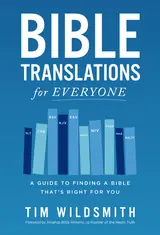 Bible Translations for EveryoneTim Wildsmith, Cofounder of She Reads Truth Amanda Bible Williams68% matchShares Biblical History & Culture and Bible Handbooks
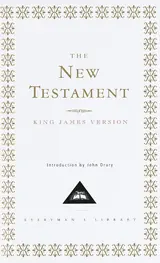 The New TestamentEveryman's Library, John Drury67% match
 The Bible Doesn't Say ThatJoel M. Hoffman65% match
 How to Read the BibleJames L. Kugel64% match
 The Bible: Authorized King James VersionRobert Carroll, Stephen Prickett64% matchShares Biblical Studies and Biblical History & Culture
 How We Got the BibleJohn H. Sailhamer64% matchShares Biblical History & Culture and Bible Handbooks
For younger readers: God’s Timeline
Start with three books, and this one can be the first.
Members get a new edition every morning: a route out from their books to essays, research and talks, with the reason for each.
Start with this bookAbout this book
What does the word "Bible" mean? Who wrote the Bible? Has it changed over time? Why are there so many translations? A General Introduction to the Bible answers these questions and more. Without becoming too technical for the average layperson, David Ewert surveys the history, formation, transmission, and translation of the Christian Bible in an informative and captivating way.
Continue reading
Topics include: - Meaning of "Bible" and the naming of biblical books - Transmission of sacred scriptures - The thousand-year story of the English Bible - Bible organization - Development of biblical languages - Canon of the testaments - Extracanonical books - Early versions of the Bible - Choosing a translation Features include: - Photographs of ancient texts, Bible pages, key individuals, and settings - Maps and charts that show the development of languages, textual families, and the relationship of various translations and revisions - Suggested readings and an extensive glossary and index From ancient tablets to modern translations—God's Word to humanity has been profoundly impacting the world for several millennia. And after learning about its fascinating history, your appreciation for the Bible will surely increase even more.
Bible Through Time
David Ewert surveys how the Christian Bible was formed, transmitted, organized, and translated.
Come here for
- The Bible’s formation, transmission, languages, and canon
- The thousand-year story of the English Bible
Expect
- Photographs of ancient texts, Bible pages, key individuals, and settings
- Maps, charts, suggested readings, a glossary, and an index
Where it sits
| Biblical Studies | 51% |
|---|---|
| Biblical History & Culture | 42% |
| Bible Handbooks | 22% |
Percentages are BookFrontier’s reading of the book.
Publisher categories
- Exegesis & Hermeneutics
- Biblical History & Culture
- Christian History
- Church History
- Authors
- David Ewert
- Publisher
- Zondervan
- Published
- August 14, 1990
- Format
- Print & ebook
- Reading lane
- Exegesis & Hermeneutics