
Factory Girls
From Village to City in a Changing China
Random House Publishing Group · Print & ebook · August 4, 2009
An eye-opening and previously untold story, Factory Girls is the first look into the everyday lives of the migrant factory population in China.
We earn from qualifying purchases.
- Who it’s for
- A close view of migrant life in China, where work, ambition, and family histories meet.
- Themes
- Rural-to-urban migration, Migrant factory life, Social transformation
- Genres
- Chinese History, Asian & Asian American Lives, Labor & Workforce
Nearest books
Matched by what the books are about, then ordered by what their readers also loved. Most of these share its genre: Chinese History.
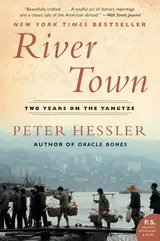 River TownPeter Hessler57% matchAlso shares Asian & Asian American Lives
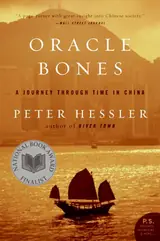 Oracle BonesPeter Hessler57% match
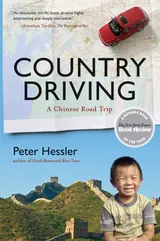 Country DrivingPeter Hessler55% match
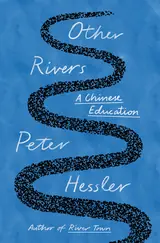 Other RiversPeter Hessler58% match
 The River's TaleEdward Gargan50% match
 China Goes GlobalDavid Shambaugh50% match
 Nickel and DimedBarbara Ehrenreich, Sara Bershtel46% match
For younger readers: Girls on the Line, China: Land of Dragons and Emperors, Revolution Is Not a Dinner Party
Start with three books, and this one can be the first.
Members get a new edition every morning: a route out from their books to essays, research and talks, with the reason for each.
Start with this bookAbout this book
An eye-opening and previously untold story, Factory Girls is the first look into the everyday lives of the migrant factory population in China. China has 130 million migrant workers—the largest migration in human history.
Continue reading
In Factory Girls, Leslie T. Chang, a former correspondent for the Wall Street Journal in Beijing, tells the story of these workers primarily through the lives of two young women, whom she follows over the course of three years as they attempt to rise from the assembly lines of Dongguan, an industrial city in China’s Pearl River Delta. As she tracks their lives, Chang paints a never-before-seen picture of migrant life—a world where nearly everyone is under thirty; where you can lose your boyfriend and your friends with the loss of a mobile phone; where a few computer or English lessons can catapult you into a completely different social class. Chang takes us inside a sneaker factory so large that it has its own hospital, movie theater, and fire department; to posh karaoke bars that are fronts for prostitution; to makeshift English classes where students shave their heads in monklike devotion and sit day after day in front of machines watching English words flash by; and back to a farming village for the Chinese New Year, revealing the poverty and idleness of rural life that drive young girls to leave home in the first place. Throughout this riveting portrait, Chang also interweaves the story of her own family’s migrations, within China and to the West, providing historical and personal frames of reference for her investigation. A book of global significance that provides new insight into China, Factory Girls demonstrates how the mass movement from rural villages to cities is remaking individual lives and transforming Chinese society, much as immigration to America’s shores remade our own country a century ago.
Lives in Motion
A close view of migrant life in China, where work, ambition, and family histories meet.
Come here for
- The texture of everyday life in China’s factory towns
- A personal lens on migration and social change
Expect
- Two young women’s lives followed over three years
- A blend of reporting and the author’s family history
Where it sits
| Chinese History | 47% |
|---|---|
| Asian & Asian American Lives | 26% |
| Labor & Workforce | 23% |
Percentages are BookFrontier’s reading of the book.
Publisher categories
- Chinese History
- Women's History
- How Cultures Work
- Authors
- Leslie T. Chang
- Publisher
- Random House Publishing Group
- Published
- August 4, 2009
- Format
- Print & ebook
- Theme
- Rural-to-urban migration · Migrant factory life · Social transformation
- Reading lane
- Chinese History