
The Shallows
What the Internet Is Doing to Our Brains
WW Norton · Print & ebook · March 3, 2020
Finalist for the 2011 Pulitzer Prize in General Nonfiction: “Nicholas Carr has written a Silent Spring for the literary mind.”—Michael Agger, Slate Finalist for the 2011 PEN Center USA Literary Award “Is Google making us stupid?” When Nicholas Carr posed that question, in a celebrated Atlantic Monthly cover story, he tapped into a well of anxiety about how the Internet is changing us.
We earn from qualifying purchases.
- Who it’s for
- Intellectual history, neuroscience, and cultural criticism converge on the Internet’s effects on thought.
- Themes
- Internet and cognition, Attention and deep reading, Technology's cultural influence
- Pacing
- Reflective
Nearest books
Matched by what the books are about, then ordered by what their readers also loved.
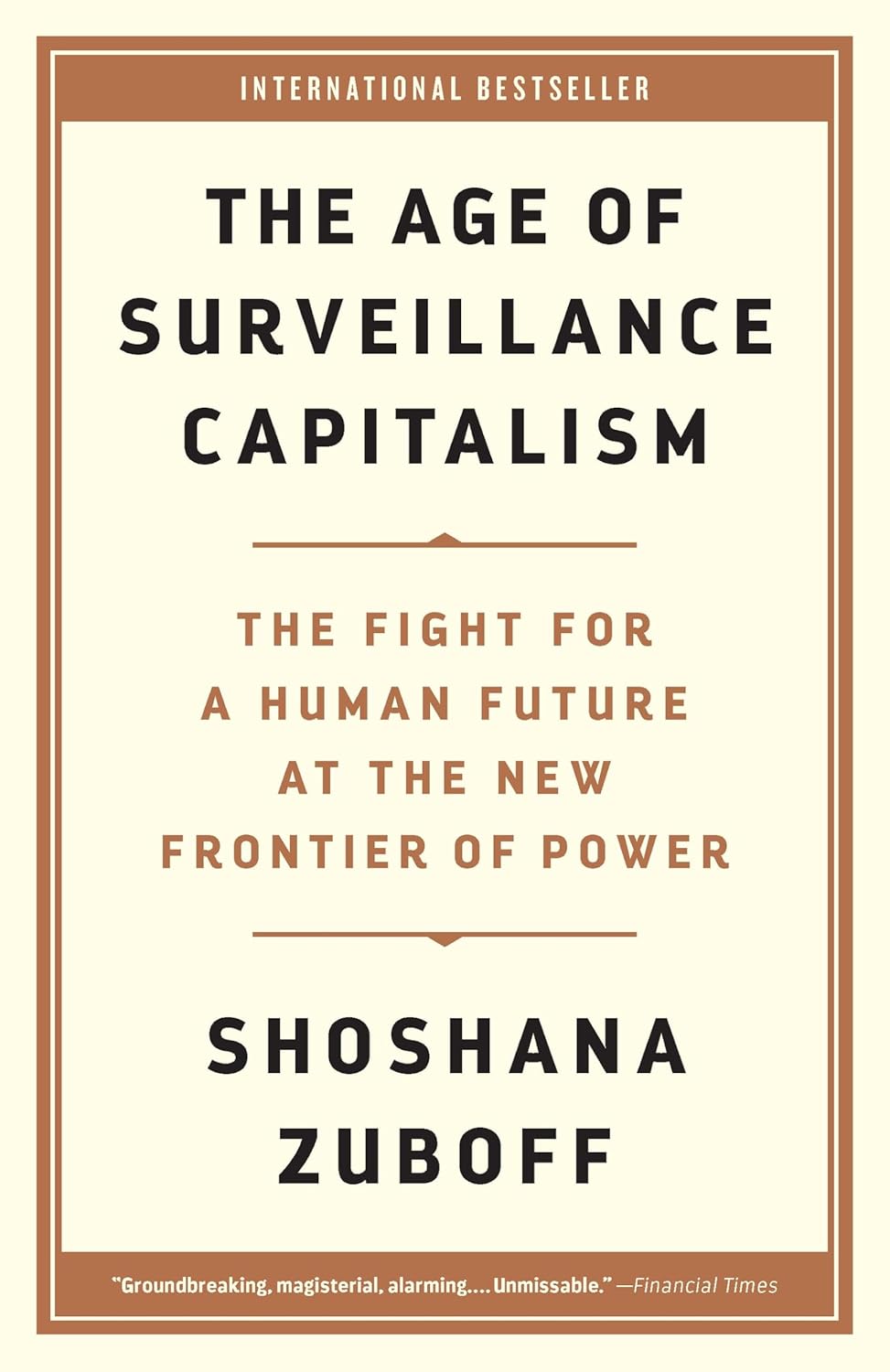 The Age of Surveillance CapitalismShoshana Zuboff, PublicAffairs57% match
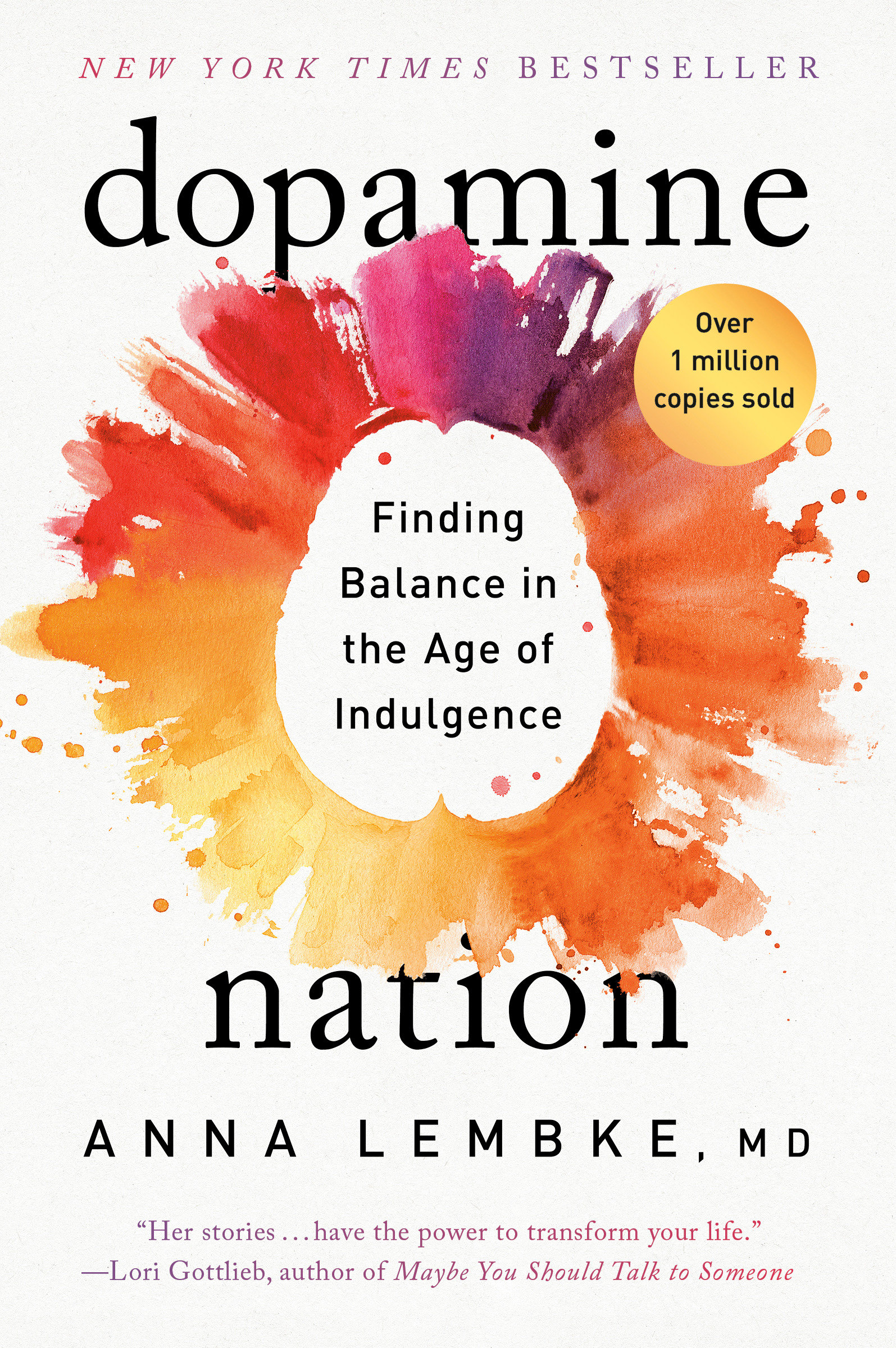 Dopamine NationAnna Lembke, MD56% matchShares Neuroscience
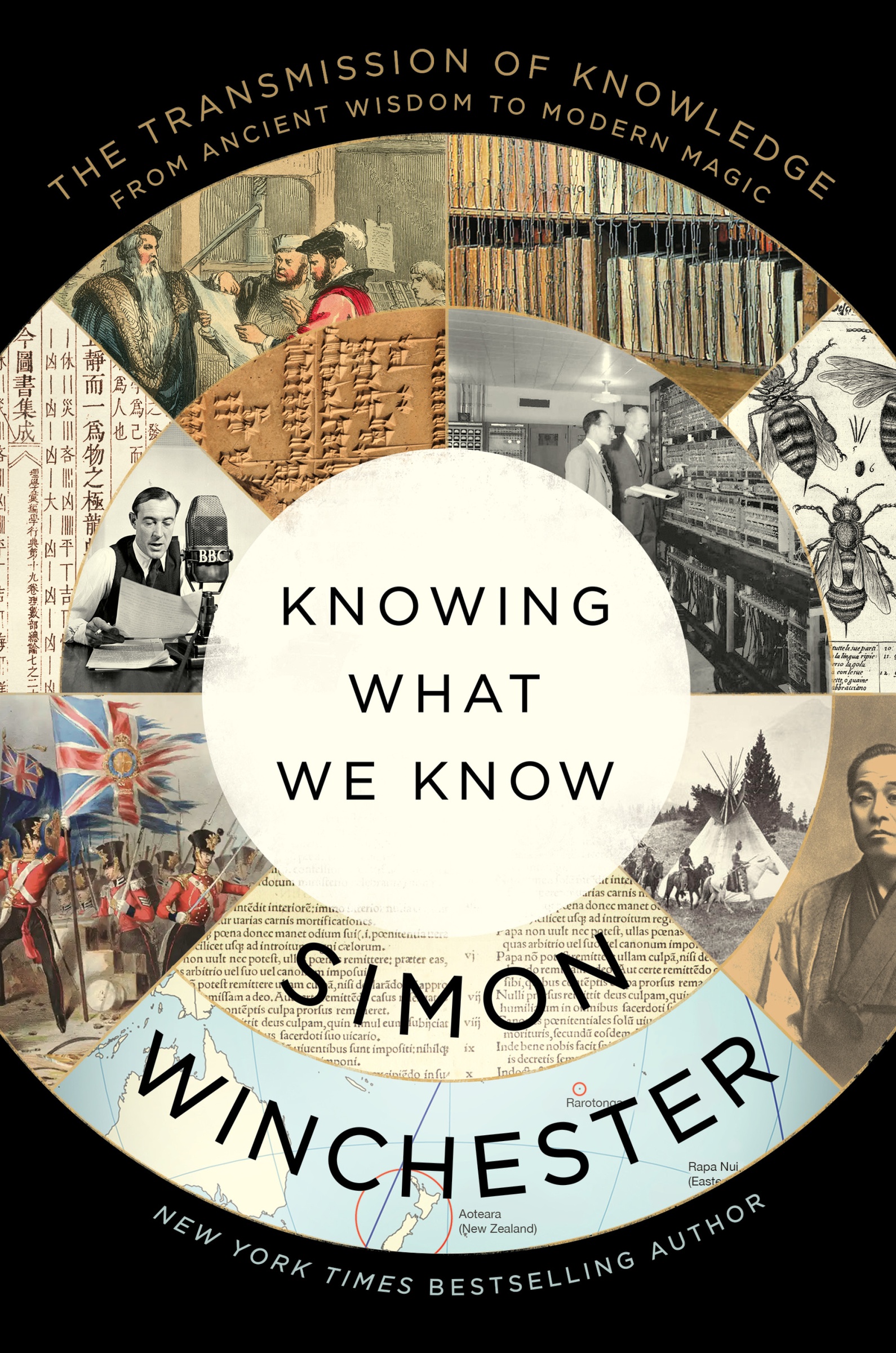 Knowing What We KnowSimon Winchester, Harper64% match
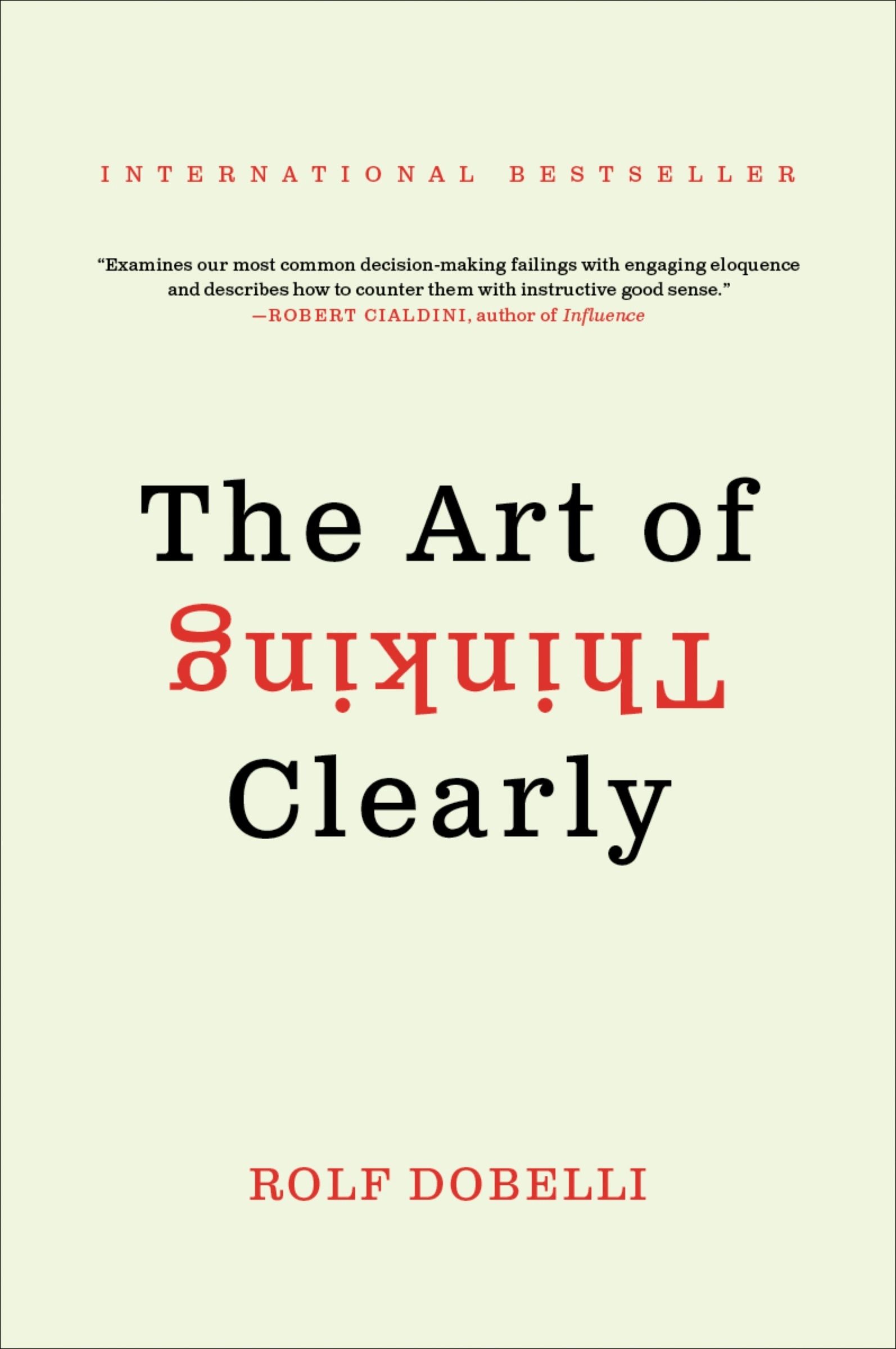 The Art of Thinking ClearlyRolf Dobelli58% matchShares How We Think & Learn
 Amusing Ourselves to DeathNeil Postman54% match
For younger readers: Slaying Digital Dragons ™
Start with three books, and this one can be the first.
Members get a new edition every morning: a route out from their books to essays, research and talks, with the reason for each.
Start with this bookAbout this book
Finalist for the 2011 Pulitzer Prize in General Nonfiction: “Nicholas Carr has written a Silent Spring for the literary mind.”—Michael Agger, Slate Finalist for the 2011 PEN Center USA Literary Award “Is Google making us stupid?” When Nicholas Carr posed that question, in a celebrated Atlantic Monthly cover story, he tapped into a well of anxiety about how the Internet is changing us.
Continue reading
He also crystallized one of the most important debates of our time: As we enjoy the Net’s bounties, are we sacrificing our ability to read and think deeply? Now, Carr expands his argument into the most compelling exploration of the Internet’s intellectual and cultural consequences yet published. As he describes how human thought has been shaped through the centuries by “tools of the mind”—from the alphabet to maps, to the printing press, the clock, and the computer—Carr interweaves a fascinating account of recent discoveries in neuroscience by such pioneers as Michael Merzenich and Eric Kandel. Our brains, the historical and scientific evidence reveals, change in response to our experiences. The technologies we use to find, store, and share information can literally reroute our neural pathways. Building on the insights of thinkers from Plato to McLuhan, Carr makes a convincing case that every information technology carries an intellectual ethic—a set of assumptions about the nature of knowledge and intelligence. He explains how the printed book served to focus our attention, promoting deep and creative thought. In stark contrast, the Internet encourages the rapid, distracted sampling of small bits of information from many sources. Its ethic is that of the industrialist, an ethic of speed and efficiency, of optimized production and consumption—and now the Net is remaking us in its own image. We are becoming ever more adept at scanning and skimming, but what we are losing is our capacity for concentration, contemplation, and reflection. Part intellectual history, part popular science, and part cultural criticism, The Shallows sparkles with memorable vignettes—Friedrich Nietzsche wrestling with a typewriter, Sigmund Freud dissecting the brains of sea creatures, Nathaniel Hawthorne contemplating the thunderous approach of a steam locomotive—even as it plumbs profound questions about the state of our modern psyche. This is a book that will forever alter the way we think about media and our minds.
Attention Under Pressure
Intellectual history, neuroscience, and cultural criticism converge on the Internet’s effects on thought.
Come here for
- How information tools shape the way we think
- The tension between quick scanning and sustained attention
Expect
- Historical examples alongside neuroscience
- Cultural criticism grounded in everyday reading
Where it sits
| How We Think & Learn | 26% |
|---|---|
| Neuroscience | 24% |
| Technology & Society | 20% |
Percentages are BookFrontier’s reading of the book.
Publisher categories
- Internet & Web
- Human-Computer Interaction
- Science & Society
- Authors
- Nicholas Carr
- Publisher
- WW Norton
- Published
- March 3, 2020
- Format
- Print & ebook
- Theme
- Internet and cognition · Attention and deep reading · Technology's cultural influence
- Reading lane
- Internet & Web