
Cranford
Dover Publications · Print & ebook · May 15, 2003
A Classics pick for readers exploring Cranford.
We earn from qualifying purchases.
- Who it’s for
- Gaskell’s affectionate, unsentimental village portraits make changing social values feel intimate and quietly funny.
- Themes
- Aristocratic-to-middle-class change, Gender roles and experiences, Old customs amid social change
- Genres
- 19th-Century English Fiction, The Classics, Small-Town Fiction
Nearest books
Matched by what the books are about, then ordered by what their readers also loved. Most of these share its genres: 19th-Century English Fiction and The Classics.
 Far From the Madding CrowdThomas Hardy50% match
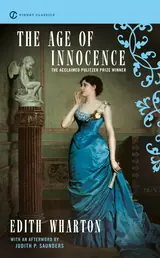 The Age of InnocenceEdith Wharton48% match
 Northanger AbbeyJane Austen48% match
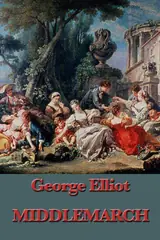 MiddlemarchGeorge Eliot61% match
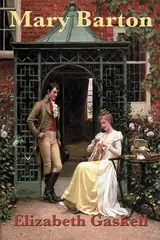 Mary BartonElizabeth Gaskell, Shirley Foster60% match
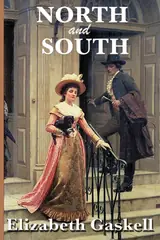 North and SouthElizabeth Gaskell, Gemma Whelan54% match
 Mill on the FlossGeorge Eliot55% match
 Jude the ObscureThomas Hardy53% match
For younger readers: The Blue Castle, The Secret Garden, A Christmas Carol
Start with three books, and this one can be the first.
Members get a new edition every morning: a route out from their books to essays, research and talks, with the reason for each.
Start with this bookAbout this book
A sensitive and moving portrait of a Victorian town, captured at a transitional period in English society, Cranford first appeared serially in Charles Dickens's magazine Household Words from 1851 to 1853, and in book form in 1853.
Continue reading
Author Elizabeth Gaskell situated her stories in a hamlet very like the one in which she grew up, and her affectionate but unsentimental portraits of the residents of Cranford offer a realistic view of life and manners in an English country village during the 1830s. Cranford recounts the events and activities in the lives of a group of spinsters and widows who struggle in genteel poverty to maintain their standards of propriety, decency, and kindness. Tales of the heroism and self-sacrifice of Captain Brown, the surprising betrothal of Lady Glenmire, and the future for pretty but poor Miss Jessie support a web of subtle but serious themes that include the movement from aristocratic to middle-class values, the separate spheres and diverse experiences of men and women, and the curious coexistence of customs old and new in a changing society. Often referred to as Mrs. Gaskell, the author preferred Cranford to all her other works, which include a popular biography of her friend Charlotte Brontë. Praised by Charles Dickens as "delightful, and touched with the most tender and delicate manner," the novel remains a favorite with students and aficionados of nineteenth-century literature.
Manners in Motion
Gaskell’s affectionate, unsentimental village portraits make changing social values feel intimate and quietly funny.
Come here for
- A close look at propriety, kindness, and genteel poverty
- Old customs meeting new values in a changing society
Expect
- Warm observation without sentimentality
- Subtle social themes woven through village life
Where it sits
| 19th-Century English Fiction | 47% |
|---|---|
| Small-Town Fiction | 45% |
| The Classics | 33% |
Percentages are BookFrontier’s reading of the book.
Publisher categories
- The Classics
- Small-Town Fiction
- Feminist Fiction
- 19th-Century English Fiction
- Authors
- Elizabeth Gaskell
- Publisher
- Dover Publications
- Published
- May 15, 2003
- Format
- Print & ebook
- Theme
- Aristocratic-to-middle-class change · Gender roles and experiences · Old customs amid social change
- Reading lane
- The Classics