
Langstroth's Hive and the Honey-bee
The Classic Beekeeper's Manual
Dover Publications · Print & ebook · February 20, 2004
This influential guide by the Reverend L.
We earn from qualifying purchases.
- Who it’s for
- Beekeepers seeking practical guidance on managing bees and an apiary
- Themes
- Bee management, Bee biology and life cycles, Apiary care
- Genres
- Beekeeping, Insect Biology, Insects & Spiders
Nearest books
Matched by what the books are about, then ordered by what their readers also loved. Most of these share its genres: Beekeeping, Insect Biology and Insects & Spiders.
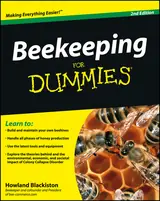 Beekeeping for DummiesHowland Blackiston65% match
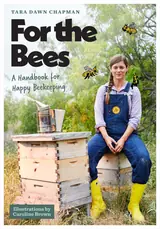 For the BeesTara Dawn Chapman66% match
 Top-bar BeekeepingLes Crowder, Heather Harrell66% match
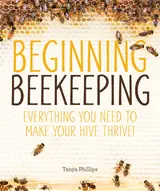 Beginning BeekeepingTanya Phillips66% match
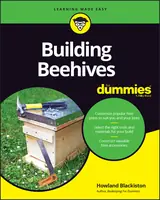 Building Beehives for DummiesHowland Blackiston64% match
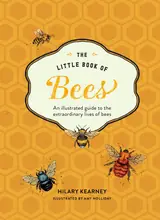 The Little Book of BeesHilary Kearney63% match
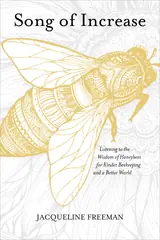 Song of IncreaseJacqueline Freeman59% match
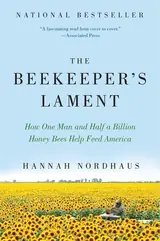 The Beekeeper's LamentHannah Nordhaus58% match
For younger readers: The Bee Book, Nature Stories: Little Bee-discover an Amazing Story From the Natural World, The Story Book of Science
Start with three books, and this one can be the first.
Members get a new edition every morning: a route out from their books to essays, research and talks, with the reason for each.
Start with this bookAbout this book
This influential guide by the Reverend L. L. Langstroth, "the father of modern beekeeping," revolutionized the practice of beekeeping. Originally published in 1853, his work constitutes the first descriptive treatise of modern bee management — its innovations allowed people to engage in actual beekeeping, rather than simply handling bee domiciles and extracting the honey.
Continue reading
This book explains and illustrates techniques still employed 150 years later — including the author's patented invention, a movable frame hive that quickly spread into common use around the world. In his reader-friendly, nontechnical style, Langstroth addresses every aspect of beekeeping: bee physiology; diseases and enemies of bees; the life-cycles of the queen, drone, and worker; bee-hives; and the handling of bees. An infectious sense of wonder and enthusiasm suffuses Langstroth's accounts of natural and artificial swarming, the production of honey and wax, and the best methods of feeding bees and maintaining an apiary. The manual abounds in practical and intriguing insights attained through the years of observation and experience, including "the kindness of bees to one another," "their infatuation for liquid sweets," and "the warning given by bees before stinging." This version of Langstroth's ever-popular manual is the fourth and final edition; it incorporates the author's own revisions and remains an unsurpassed resource for beekeepers.
Who it’s for
- Beekeepers seeking practical guidance on managing bees and an apiary
- Readers seeking a nontechnical introduction to bee biology and handling
Where it sits
| Beekeeping | 99% |
|---|---|
| Insects & Spiders | 53% |
| Insect Biology | 38% |
Percentages are BookFrontier’s reading of the book.
Publisher categories
- Insects & Spiders
- Beekeeping
- Authors
- L. L. Langstroth
- Publisher
- Dover Publications
- Published
- February 20, 2004
- Format
- Print & ebook
- Theme
- Bee management · Bee biology and life cycles · Apiary care
- Reading lane
- Insects & Spiders