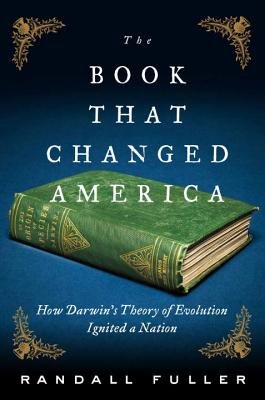
The Book That Changed America
How Darwin's Theory of Evolution Ignited a Nation
Penguin Publishing Group · Print & ebook · January 24, 2017
A compelling portrait of a unique moment in American history when the ideas of Charles Darwin reshaped American notions about nature, religion, science and race “A lively and informative history.” – The New York Times Book Review Throughout its history America has been torn in two by debates over ideals and beliefs.
We earn from qualifying purchases.
- Who it’s for
- Darwin’s theory enters a country arguing over science, faith, slavery, and its future.
- Themes
- Darwin’s influence on American thought, Evolution and abolition, Science and religion
- Genres
- Civil War Era, Evolution, 19th-Century America
Nearest books
Matched by what the books are about, then ordered by what their readers also loved.
 Gods of the Upper AirCharles King60% match
 A Great DisorderRichard Slotkin58% match
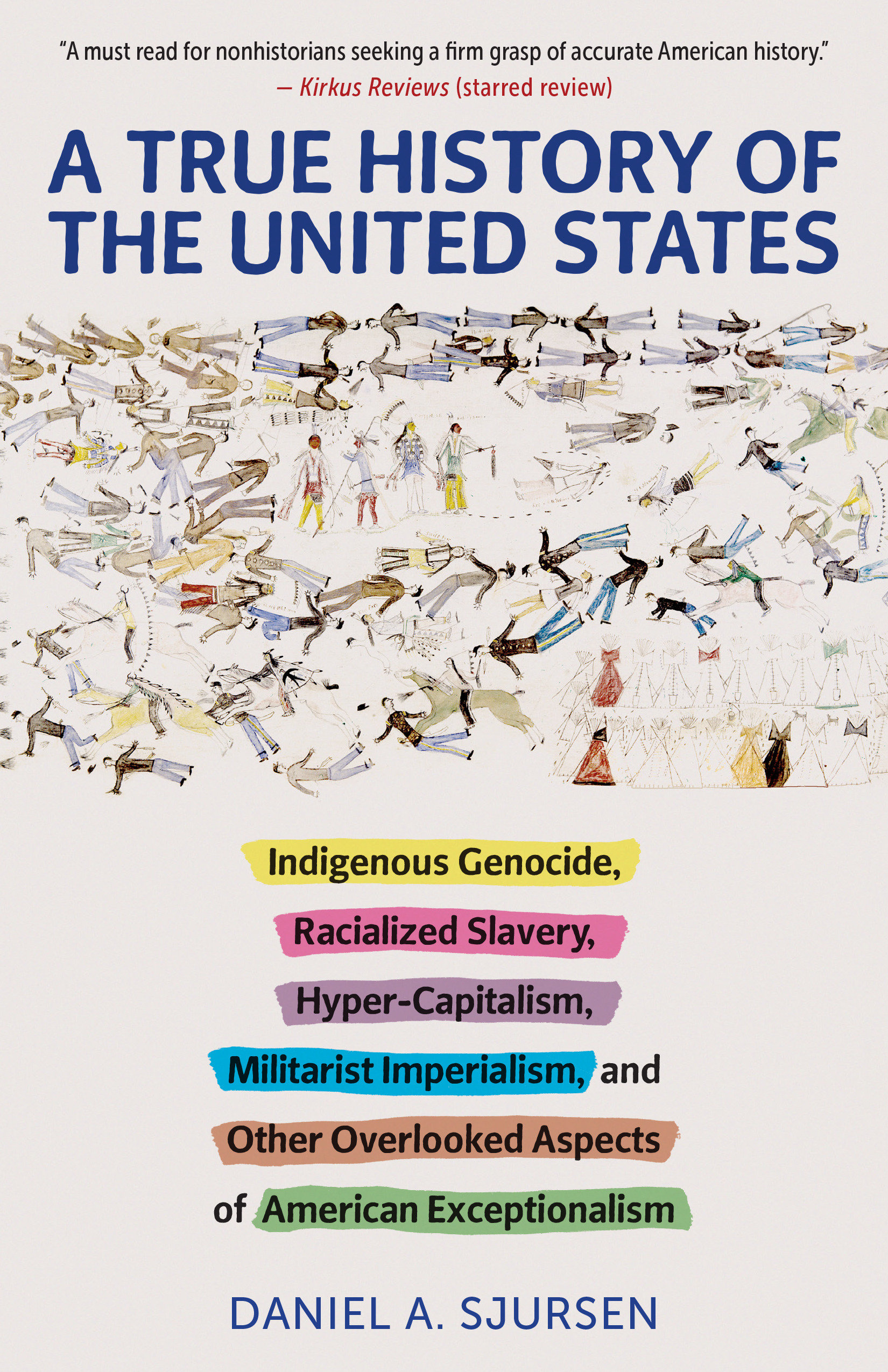 A True History of the United StatesDaniel Sjursen, Daniel A. Sjursen54% match
 American MidnightAdam Hochschild, Jonathan Todd Ross55% match
 The Second FoundingEric Foner54% matchShares Civil War Era
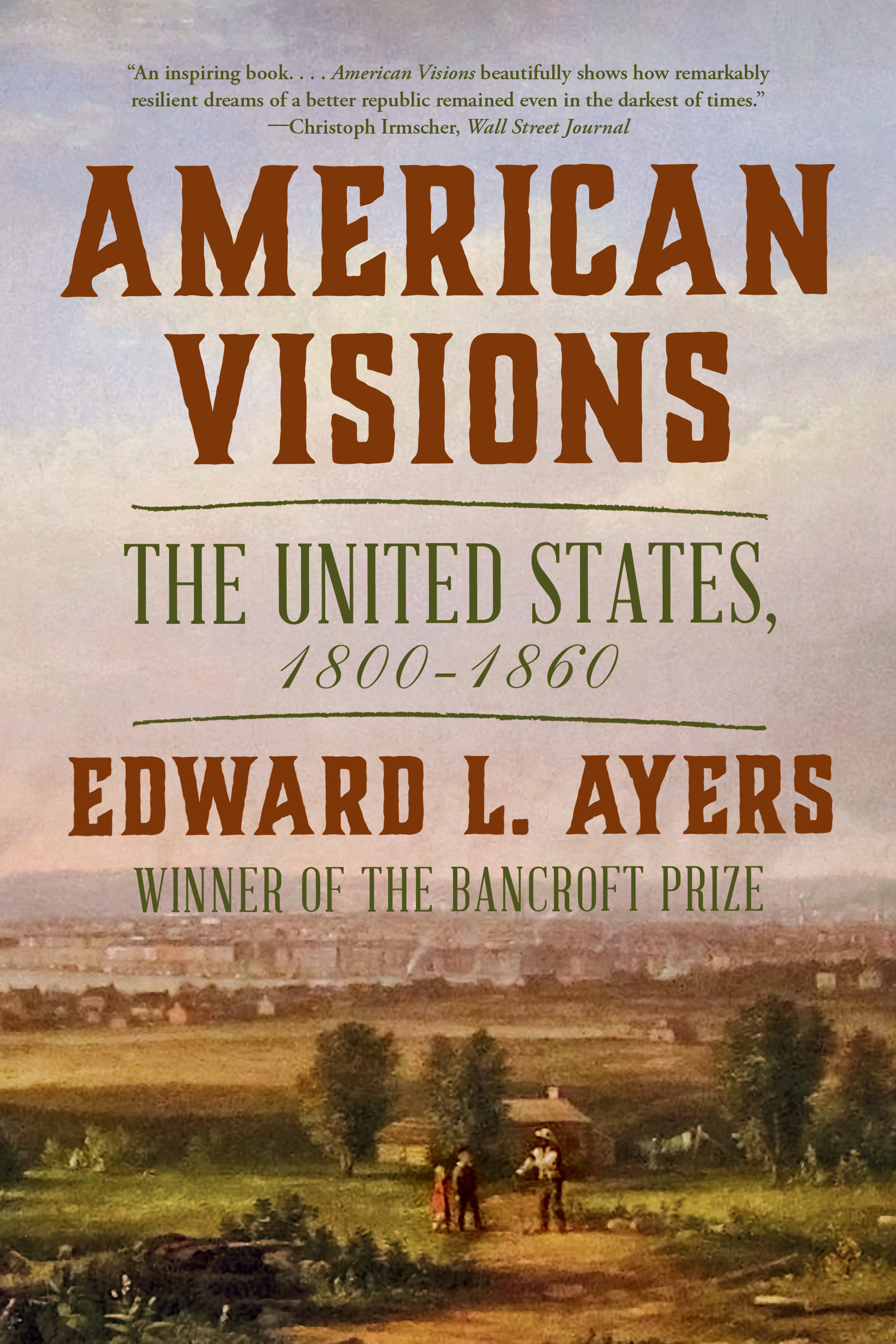 American VisionsEdward L. Ayers67% matchShares 19th-Century America
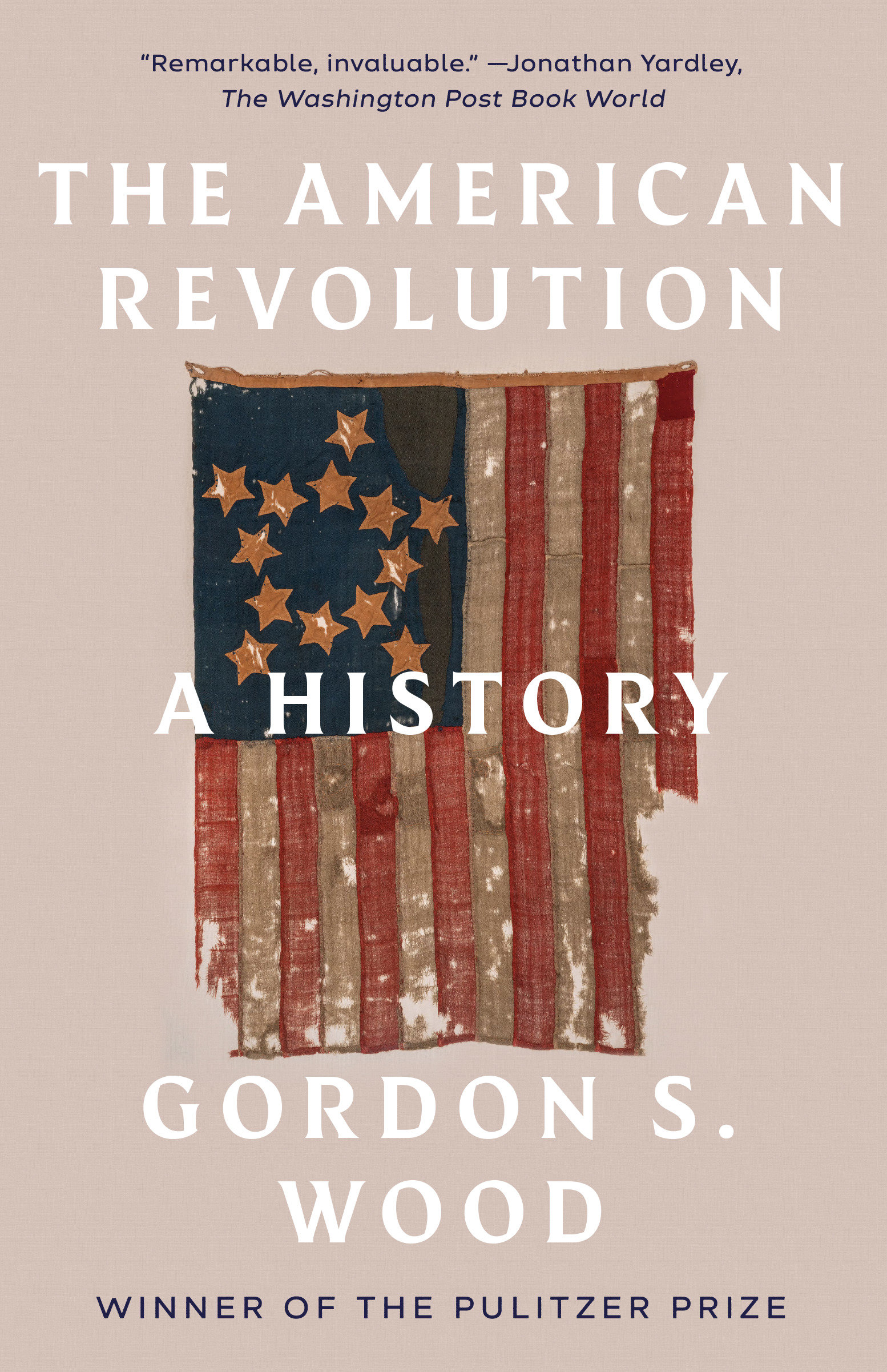 The American RevolutionGordon S. Wood66% match
 The EvangelicalsFrances FitzGerald64% match
For younger readers: Charles and Emma, Discovering Life’s Story: the Evolution of an Idea, America Redux: Visual Stories From Our Dynamic History
Start with three books, and this one can be the first.
Members get a new edition every morning: a route out from their books to essays, research and talks, with the reason for each.
Start with this bookAbout this book
A compelling portrait of a unique moment in American history when the ideas of Charles Darwin reshaped American notions about nature, religion, science and race “A lively and informative history.” – The New York Times Book Review Throughout its history America has been torn in two by debates over ideals and beliefs.
Continue reading
Randall Fuller takes us back to one of those turning points, in 1860, with the story of the influence of Charles Darwin’s just-published On the Origin of Species on five American intellectuals, including Bronson Alcott, Henry David Thoreau, the child welfare reformer Charles Loring Brace, and the abolitionist Franklin Sanborn. Each of these figures seized on the book’s assertion of a common ancestry for all creatures as a powerful argument against slavery, one that helped provide scientific credibility to the cause of abolition. Darwin’s depiction of constant struggle and endless competition described America on the brink of civil war. But some had difficulty aligning the new theory to their religious convictions and their faith in a higher power. Thoreau, perhaps the most profoundly affected all, absorbed Darwin’s views into his mysterious final work on species migration and the interconnectedness of all living things. Creating a rich tableau of nineteenth-century American intellectual culture, as well as providing a fascinating biography of perhaps the single most important idea of that time, The Book That Changed America is also an account of issues and concerns still with us today, including racism and the enduring conflict between science and religion.
Ideas Under Pressure
Darwin’s theory enters a country arguing over science, faith, slavery, and its future.
Come here for
- Intellectual history where evolutionary thought meets abolitionist argument
- Five American thinkers negotiating faith and scientific change
Expect
- A portrait of ideas in a nation nearing civil war
- Lasting questions about race, religion, and science
Where it sits
| Evolution | 64% |
|---|---|
| Civil War Era | 56% |
| 19th-Century America | 53% |
Percentages are BookFrontier’s reading of the book.
Publisher categories
- Civil War Era
- Transcendentalism
- Evolution
- Authors
- Randall Fuller
- Publisher
- Penguin Publishing Group
- Published
- January 24, 2017
- Format
- Print & ebook
- Theme
- Darwin’s influence on American thought · Evolution and abolition · Science and religion
- Reading lane
- Civil War Era