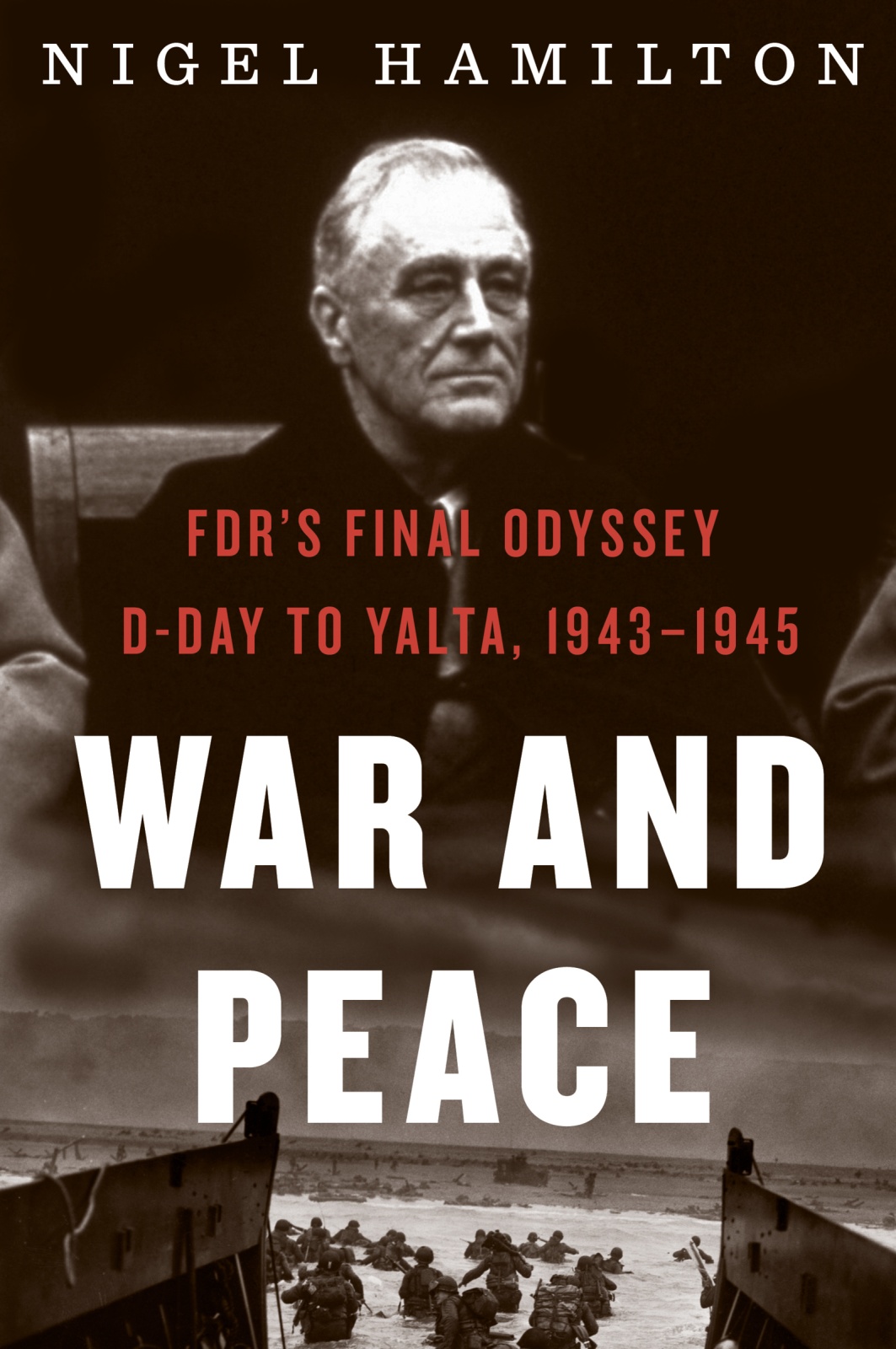
War and Peace
FDR's Final Odyssey: D-day to Yalta, 1943–1945
HarperCollins · Print & ebook · May 7, 2019
The stirring climax to Nigel Hamilton’s three-part saga of FDR at war—proof that he was the Second World War’s key strategist, even on his deathbed “A first-class, lens-changing work.” —James N. Mattis, former US secretary of defense Nigel Hamilton’s celebrated trilogy culminates with a story of triumph and tragedy.
We earn from qualifying purchases.
- Who it’s for
- A close-grained view of wartime strategy, personal decline, and plans for the peace to come.
- Themes
- World War II strategy, FDR’s wartime leadership, Postwar world order
- Genres
- Presidents & World Leaders, World War II History, Military Strategy
Nearest books
Matched by what the books are about, then ordered by what their readers also loved.
 82 Days on OkinawaRobert L. Wise, Art Shaw50% match
 Colonel RooseveltEdmund Morris55% matchShares Presidents & World Leaders
 Paris 1919Margaret MacMillan, Richard Holbrooke52% match
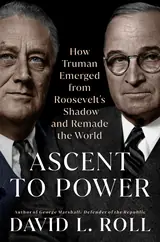 Ascent to PowerDavid L. Roll, Mark Bramhall65% matchShares Presidents & World Leaders
 Team AmericaRobert L. O'Connell, Malcolm Hillgartner53% matchShares World War II History
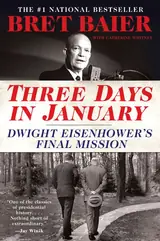 Three Days in JanuaryBret Baier, Catherine Whitney61% matchShares Presidents & World Leaders
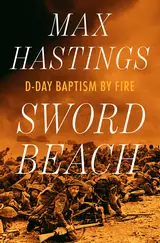 Sword BeachMax Hastings52% match
 War at the End of the WorldJames P. Duffy, Joe Barrett50% match
For younger readers: The Nazi Conspiracy: the Secret Plot to Kill Roosevelt, Stalin, and Churchill
Start with three books, and this one can be the first.
Members get a new edition every morning: a route out from their books to essays, research and talks, with the reason for each.
Start with this bookAbout this book
The stirring climax to Nigel Hamilton’s three-part saga of FDR at war—proof that he was the Second World War’s key strategist, even on his deathbed “A first-class, lens-changing work.” —James N. Mattis, former US secretary of defense Nigel Hamilton’s celebrated trilogy culminates with a story of triumph and tragedy. Just as FDR was proven right by the D-day landings he had championed, so was he found to be mortally ill in the spring of 1944.
Continue reading
He was the architect of a victorious peace that he would not live to witness. Using hitherto unpublished documents and interviews, Hamilton rewrites the famous account of World War II strategy given by Winston Churchill in his memoirs. Seventy-five years after the D-day landings we finally get to see, close-up and in dramatic detail, who was responsible for rescuing, and insisting upon, the great American-led invasion of France in June 1944, and why the invasion was led by Eisenhower. As FDR’s D-day triumph turns to personal tragedy, we watch with heartbreaking compassion the course of the disease, and how, in the months left him as US commander in chief, the dying president attempted at Hawaii, Quebec, and Yalta to prepare the United Nations for an American-backed postwar world order. Now we know: even on his deathbed, FDR was the war’s great visionary.
Strategy and Stakes
A close-grained view of wartime strategy, personal decline, and plans for the peace to come.
Come here for
- The argument over who drove the D-day invasion
- How battlefield strategy reaches toward a postwar order
Expect
- High-level decisions rendered in dramatic detail
- A victory shadowed by FDR’s illness and approaching death
Where it sits
| Presidents & World Leaders | 56% |
|---|---|
| World War II History | 53% |
| Military Strategy | 31% |
Percentages are BookFrontier’s reading of the book.
Publisher categories
- Presidents & World Leaders
- World War II History
- The Presidency & Executive
- Authors
- Nigel Hamilton
- Publisher
- HarperCollins
- Published
- May 7, 2019
- Format
- Print & ebook
- Theme
- World War II strategy · FDR’s wartime leadership · Postwar world order
- Reading lane
- Presidents & World Leaders