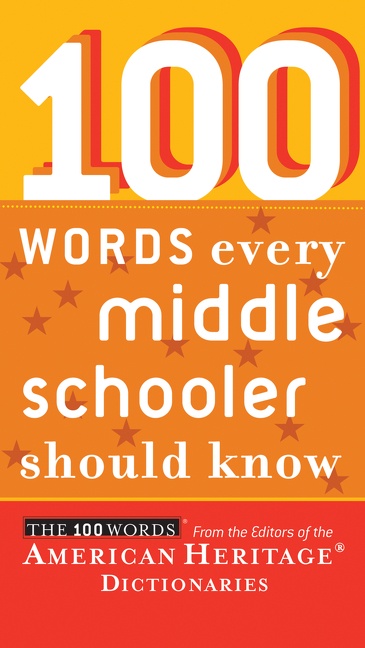
100 Words Every Middle Schooler Should Know
HarperCollins · Print & ebook · July 7, 2010
A Nonfiction pick for readers exploring 100 Words Every Middle Schooler Should Know.
We earn from qualifying purchases.
- Who it’s for
- Students in grades 6–8 seeking to build vocabulary for school and clearer expression
- Themes
- Vocabulary building, Clearer expression, School learning
- Genres
- Vocabulary & Spelling
Nearest books
Matched by what the books are about, then ordered by what their readers also loved.
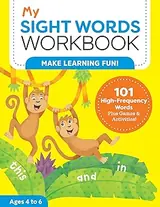 My Sight Words WorkbookLautin Brainard61% matchShares Vocabulary & Spelling
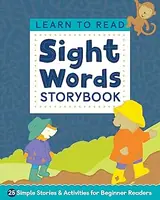 Learn to Read: Sight Words StorybookKimberly Ann Kiedrowski57% matchShares Vocabulary & Spelling
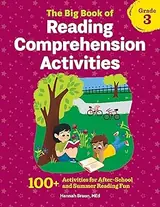 The Big Book of Reading Comprehension Activities, Grade 3Hannah Braun M.Ed., Hannah Braun55% match
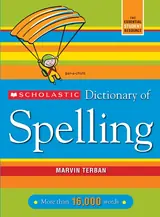 Scholastic Dictionary of SpellingMarvin Terban52% matchShares Vocabulary & Spelling
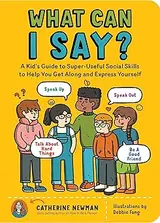 What Can I Say?Catherine Newman, Debbie Fong52% match
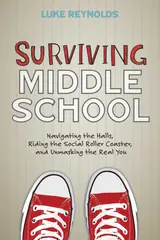 Surviving Middle SchoolLuke Reynolds52% match
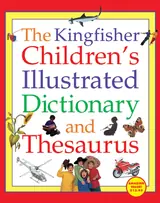 The Kingfisher Children's Illustrated Dictionary and ThesaurusGeorge Marshall51% matchShares Vocabulary & Spelling
 Hot Issues, Cool ChoicesSandra Mcleod Humphrey51% match
For older readers: Teach Your Child to Read in 100 Easy Lessons, Children's Writer's Word Book, The Vocabulary Builder Workbook
Start with three books, and this one can be the first.
Members get a new edition every morning: a route out from their books to essays, research and talks, with the reason for each.
Start with this bookAbout this book
More is expected of middle schoolers—more reading, more writing, more independent learning. Achieving success in this more challenging world requires knowing many more words. 100 Words Every Middle Schooler Should Know helps students in grades 6 to 8 (ages 11-14) to express themselves with distinction and get the most out of school.
Continue reading
The 100 words are varied and interesting, ranging from verbs like muster and replenish to nouns like havoc and restitution to adjectives like apprehensive and imperious. Knowing these words enables students to express themselves with greater clarity and subtlety. Each word has a definition and a pronunciation and appears with at least one quotation—a moving or dramatic passage—taken from a book that middle schoolers are assigned in the classroom or enjoy reading on their own. Both classic and contemporary works of fiction and nonfiction are represented. Among the authors are young adult favorites and award-winners such as Kate Di Camillo, Russell Freedman, Neil Gaiman, E.L. Konigsberg, Lois Lowry, Walter Dean Myers, Katherine Paterson, J. K. Rowling, and Gary Soto. Readers can see for themselves that the words are used by the very best writers in the very best books. It stands to reason that they will see them again and again in higher grades and throughout their lives. 100 Words Every Middle Schooler Should Know helps students to gain useful knowledge and prepares them to step into a broader world.
Where it sits
| Vocabulary & Spelling | 97% |
|---|
Percentages are BookFrontier’s reading of the book.
Publisher categories
- Teaching Language Arts
- Language Arts
- Vocabulary & Spelling
- Writing as a Career
Show all 8 publisher categories
- Linguistics
- Literacy
- Spelling & Vocabulary
- SAT Prep
- Authors
- Editors of the American Heritage Dictionaries
- Publisher
- HarperCollins
- Published
- July 7, 2010
- Format
- Print & ebook
- Theme
- Vocabulary building · Clearer expression · School learning
- Reading lane
- Teaching Language Arts