
I, Robot
Random House Worlds · Paperback · April 29, 2008
This classic science fiction masterwork by Isaac Asimov weaves stories about robots, humanity, and the deep questions of existence into a novel of shocking intelligence and heart. “A must-read for science-fiction buffs and literature enjoyers alike.”—The Guardian I, Robot, the first and most widely read book in Asimov’s Robot series, forever changed the world’s perception of artificial intelligence.
We earn from qualifying purchases.
- Who it’s for
- Robot stories turn simple rules into sharp questions about intelligence, obedience, and human survival.
- Themes
- Artificial intelligence, Robots and humanity, Human-machine conflict
- Genres
- Androids & AI Science Fiction, Sci-Fi Short Stories, Short Stories (Single Author)
Nearest books
Matched by what the books are about, then ordered by what their readers also loved.
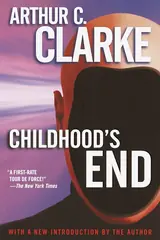 Childhood's EndArthur C. Clarke, Eric Michael Summerer49% match
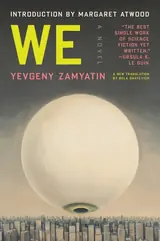 WeYevgeny Zamyatin, Bela Shayevich51% match
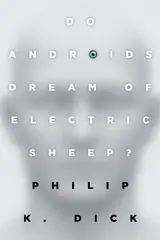 Do Androids Dream of Electric Sheep?Philip K. Dick, Roger Zelazny54% match
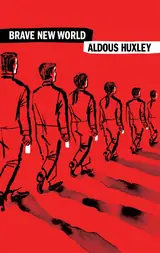 Brave New WorldAldous Huxley, John Sutherland47% match
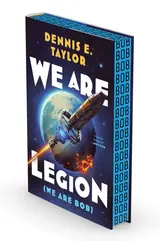 We Are Legion (we Are Bob)Dennis E. Taylor51% matchShares Androids & AI Science Fiction
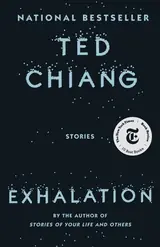 ExhalationTed Chiang47% matchShares Sci-Fi Short Stories and Short Stories (Single Author)
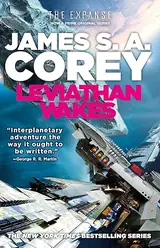 Leviathan WakesJames S. A. Corey49% match
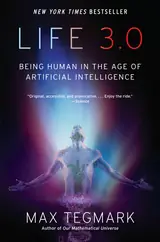 Life 3.0Max Tegmark61% match
For younger readers: The Wild Robot, Gathering Blue (for Pob Boxed Set Only), Robots
Start with three books, and this one can be the first.
Members get a new edition every morning: a route out from their books to essays, research and talks, with the reason for each.
Start with this bookAbout this book
This classic science fiction masterwork by Isaac Asimov weaves stories about robots, humanity, and the deep questions of existence into a novel of shocking intelligence and heart. “A must-read for science-fiction buffs and literature enjoyers alike.”—The Guardian I, Robot, the first and most widely read book in Asimov’s Robot series, forever changed the world’s perception of artificial intelligence.
Continue reading
Here are stories of robots gone mad, of mind-reading robots, and robots with a sense of humor. Of robot politicians, and robots who secretly run the world—all told with the dramatic blend of science fact and science fiction that has become Asimov’s trademark. The Three Laws of Robotics: 1) A robot may not injure a human being or, through inaction, allow a human being to come to harm. 2) A robot must obey orders given to it by human beings except where such orders would conflict with the First Law. 3) A robot must protect its own existence as long as such protection does not conflict with the First or Second Law. With these three, simple directives, Isaac Asimov formulated the laws governing robots’ behavior. In I, Robot, Asimov chronicles the development of the robot from its primitive origins in the present to its ultimate perfection in the not-so-distant future—a future in which humanity itself may be rendered obsolete. “Tremendously exciting and entertaining . . . Asimov dramatizes an interesting question: How can we live with machines that, generation by generation, grow more intelligent than their creators and not eventually clash with our own invention?”—The Chicago Tribune
Machines and Moral Questions
Robot stories turn simple rules into sharp questions about intelligence, obedience, and human survival.
Come here for
- Clever variations on the Three Laws of Robotics
- Science fiction with a taste for ethical puzzles
Expect
- Stories of robots with unexpected powers and quirks
- A thoughtful blend of scientific ideas and dramatic invention
Where it sits
| Androids & AI Science Fiction | 87% |
|---|---|
| Short Stories (Single Author) | 64% |
| Sci-Fi Short Stories | 56% |
Percentages are BookFrontier’s reading of the book.
Publisher categories
- The Classics
- Hard Sci-Fi
- Short Stories (Single Author)
- Authors
- Isaac Asimov
- Publisher
- Random House Worlds
- Published
- April 29, 2008
- Format
- Paperback
- Theme
- Artificial intelligence · Robots and humanity · Human-machine conflict
- Reading lane
- The Classics