
Orwell's Roses
Penguin Publishing Group · Print & ebook · October 18, 2022
A Nonfiction pick for readers exploring Orwell's Roses.
We earn from qualifying purchases.
- Who it’s for
- Follow Orwell from the garden into questions of power, pleasure, and the natural world.
- Themes
- Politics of nature and power, Gardening and political commitment, Beauty and joy as resistance
- Pacing
- Mixed
Nearest books
Matched by what the books are about, then ordered by what their readers also loved.
 The Splendid and the VileJohn Lee, Erik Larson48% match
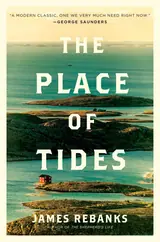 The Place of TidesJames Rebanks50% match
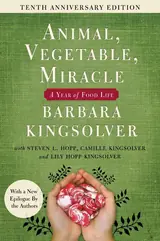 Animal, Vegetable, Miracle - Tenth Anniversary EditionBarbara Kingsolver, Camille Kingsolver52% match
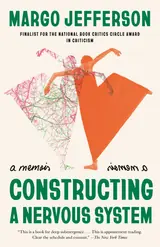 Constructing a Nervous SystemMargo Jefferson48% match
 A Woman of No ImportanceSonia Purnell50% match
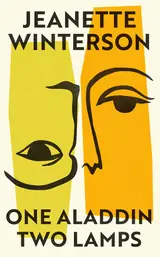 One Aladdin Two LampsJeanette Winterson49% match
For younger readers: The Botany of Desire Young Readers Edition, Up in the Garden and Down in the Dirt, Grandmother Thorn
Start with three books, and this one can be the first.
Members get a new edition every morning: a route out from their books to essays, research and talks, with the reason for each.
Start with this bookAbout this book
Finalist for the National Book Critics Circle Award for Nonfiction Finalist for the PEN/Jacqueline Bograd Weld Award for Biography “An exhilarating romp through Orwell’s life and times and also through the life and times of roses.” —Margaret Atwood “A captivating account of Orwell as gardener, lover, parent, and endlessly curious thinker.” —Claire Messud, Harper's “Nobody who reads it will ever think of Nineteen Eighty-Four in quite the same way.” —Vogue A lush exploration of politics, roses, and pleasure, and a fresh take on George Orwell as an avid gardener whose political writing was grounded by his passion for the natural world “In the spring of 1936, a writer planted roses.”
Continue reading
So be-gins Rebecca Solnit’s new book, a reflection on George Orwell’s passionate gardening and the way that his involvement with plants, particularly flowers, illuminates his other commitments as a writer and antifascist, and on the intertwined politics of nature and power. Sparked by her unexpected encounter with the roses he reportedly planted in 1936, Solnit’s account of this overlooked aspect of Orwell’s life journeys through his writing and his actions—from going deep into the coal mines of England, fighting in the Spanish Civil War, critiquing Stalin when much of the international left still supported him (and then critiquing that left) to his analysis of the relationship between lies and authoritarianism. Through Solnit’s celebrated ability to draw unexpected connections, readers are drawn onward from Orwell‘s own work as a writer and gardener to encounter photographer Tina Modotti’s roses and her politics, agriculture and illusion in the USSR of his time with forcing lemons to grow in impossibly cold conditions, Orwell’s slave-owning ancestors in Jamaica, Jamaica Kincaid’s examination of colonialism and imperialism in the flower garden, and the brutal rose industry in Colombia that supplies the American market. The book draws to a close with a rereading of Nineteen Eighty-Four that completes Solnit’s portrait of a more hopeful Orwell, as well as offering a meditation on pleasure, beauty, and joy as acts of resistance.
Politics in Bloom
Follow Orwell from the garden into questions of power, pleasure, and the natural world.
Come here for
- Roses as an unexpected lens on Orwell’s writing and politics
- Connections spanning gardens, colonialism, and authoritarianism
Expect
- Literary reflection that moves between beauty and power
- A fresh reading of Orwell, with pleasure and joy in view
Where it sits
| Writers' Lives | 93% |
|---|---|
| Growing Roses | 53% |
| 20th-Century Literary Criticism | 28% |
Percentages are BookFrontier’s reading of the book.
Publisher categories
- Writers' Lives
- Nature in Literature
- Nature & the Outdoors
- Authors
- Rebecca Solnit
- Publisher
- Penguin Publishing Group
- Published
- October 18, 2022
- Format
- Print & ebook
- Theme
- Politics of nature and power · Gardening and political commitment · Beauty and joy as resistance
- Reading lane
- Writers' Lives