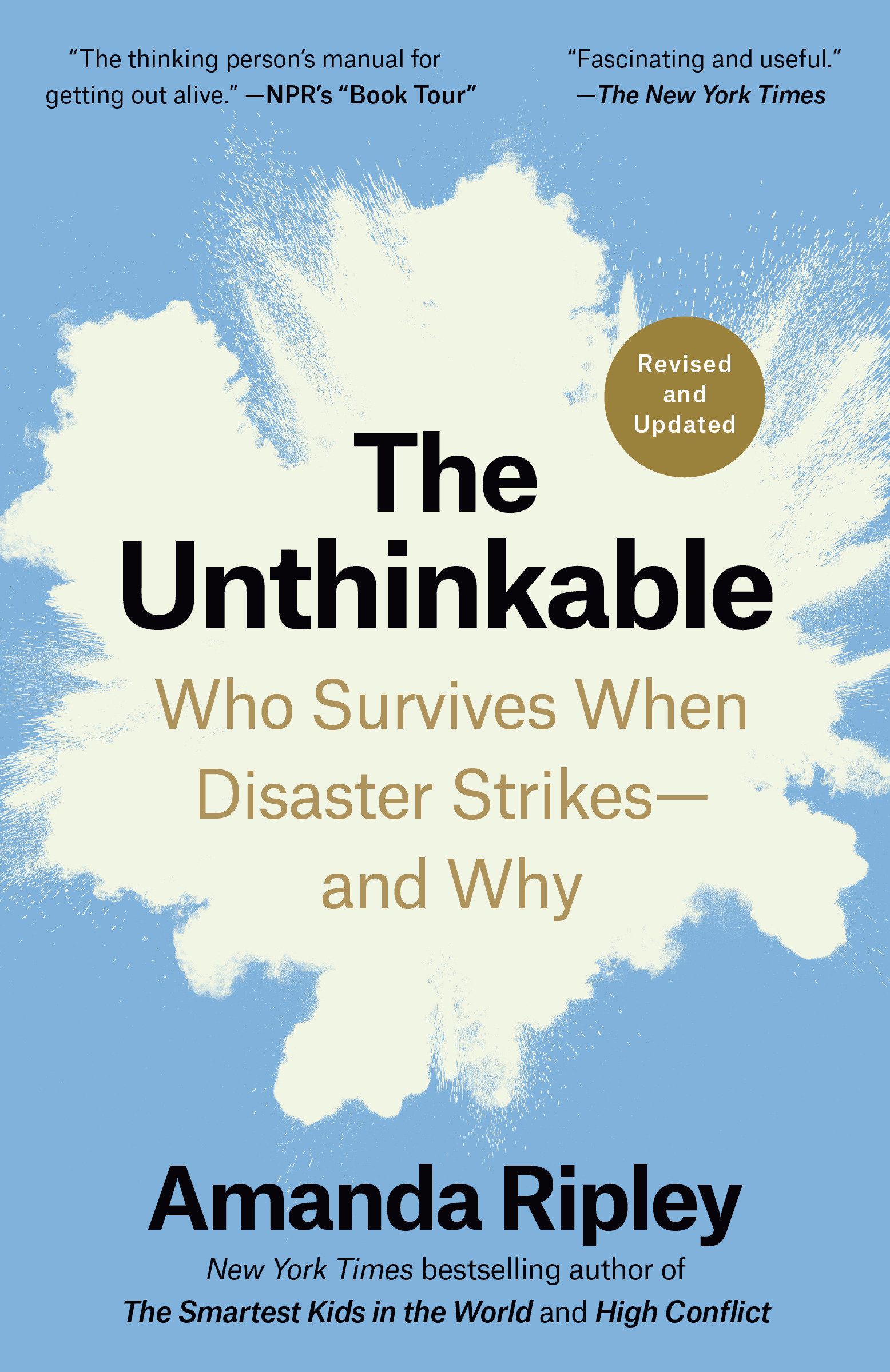
The Unthinkable
Who Survives When Disaster Strikes--and Why
Harmony/Rodale/Convergent · Print & ebook · August 20, 2024
Unlock the secrets of survival with this riveting expedition into the science of disaster—now revised and updated to address the pandemic, the role of social media in disaster response, and more—from the New York Times bestselling author of The Smartest Kids in the World “The thinking person’s manual for getting out alive.”—NPR’s “Book Tour” “A must read . . .
We earn from qualifying purchases.
- Who it’s for
- Readers interested in disaster survival psychology and neuroscience
- Themes
- disaster survival, human psychology, neuroscience
- Pacing
- Steady
Nearest books
Matched by what the books are about, then ordered by what their readers also loved.
 100 Deadly Skills: Survival EditionClint Emerson67% match
 How to Survive the End of the World As We Know ItJames Wesley Rawles65% matchShares Disaster & Crisis Studies and Emergency Management
 SAS Survival Handbook, Third EditionJohn 'Lofty' Wiseman, John Wiseman65% match
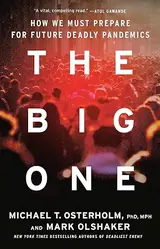 The Big OneMichael T. Osterholm PhD MPH, Mark Olshaker65% match
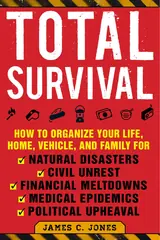 Total SurvivalJames C. Jones64% match
 Lights OutTed Koppel63% matchShares Disaster & Crisis Studies
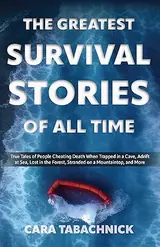 The Greatest Survival Stories of All TimeCara Tabachnick63% match
For younger readers: Five Epic Disasters (i Survived True Stories #1), How to Survive the End of the World, The Boys' Book of Survival
Start with three books, and this one can be the first.
Members get a new edition every morning: a route out from their books to essays, research and talks, with the reason for each.
Start with this bookAbout this book
Unlock the secrets of survival with this riveting expedition into the science of disaster—now revised and updated to address the pandemic, the role of social media in disaster response, and more—from the New York Times bestselling author of The Smartest Kids in the World “The thinking person’s manual for getting out alive.”—NPR’s “Book Tour” “A must read . . .
Continue reading
We need books like this to help us understand the world in which we live.”—Nassim Nicholas Taleb, author of The Black Swan and Fooled by Randomness Disaster can come in many forms, from earthquakes and wildfires to pandemics and acts of terror. Afterward, when the dust settles and the survivors emerge, we can’t help but wonder: Why did they live when so many others perished? In The Unthinkable, prize-winning journalist Amanda Ripley, who has covered some of the most devastating disasters of our age, sets out to find the answers. To understand the human reaction to chaos and imminent danger, she turns to leading brain scientists, trauma psychologists, and other disaster experts—from a Holocaust survivor who studies heroism to a master gunfighter who learned to overcome extreme fear. Along the way, we learn about the perils of crowd psychology, the elegance of the brain’s fear circuits, how leaders can build trust quickly, and other invisible factors that can make the difference between death and survival. A fascinating combination of neuroscience, firsthand accounts, and thrilling investigative journalism, this book is for anyone who has ever wondered how they would respond in a life-and-death situation—or wanted to increase their odds of survival. This new edition updates all the original research and features timely material on enormous, slow-moving disasters such as pandemics and climate catastrophes. Most important, it reveals the brain’s ability to do much better—with a little help.
Who it’s for
- Readers interested in disaster survival psychology and neuroscience
- Those seeking practical insights on human behavior in crises
Where it sits
| Disaster & Crisis Studies | 90% |
|---|---|
| Social Psychology | 36% |
| Emergency Management | 20% |
Percentages are BookFrontier’s reading of the book.
Publisher categories
- How We Think & Learn
- Managing Stress
- Disaster & Crisis Studies
- Authors
- Amanda Ripley
- Publisher
- Harmony/Rodale/Convergent
- Published
- August 20, 2024
- Format
- Print & ebook
- Theme
- disaster survival · human psychology · neuroscience
- Reading lane
- How We Think & Learn