
Linux Kernel Development
3rd Edition
Pearson Education · Print & ebook · June 22, 2010
We earn from qualifying purchases.
- Who it’s for
- A practical and theoretical look at Linux’s inner workings, from process management to debugging.
- Themes
- Linux kernel design and implementation, Kernel subsystems and interfaces, Kernel debugging and synchronization
- Genres
- Linux Systems, C Programming, Open Source Development
Nearest books
Matched by what the books are about, then ordered by what their readers also loved. Most of these share its genre: Linux Systems.
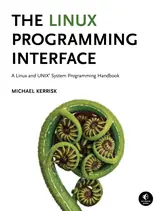 The Linux Programming InterfaceMichael Kerrisk61% match
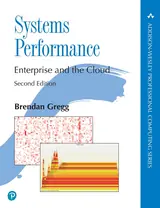 Systems PerformanceBrendan Gregg64% match
 UNIX for Programmers and UsersGraham Glass, King Ables62% match
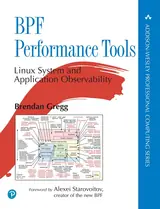 BPF Performance ToolsBrendan Gregg48% match
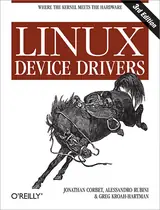 Linux Device DriversJonathan Corbet, Alessandro Rubini73% matchAlso shares C Programming
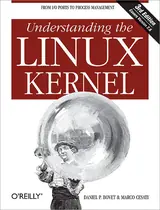 Understanding the Linux KernelDaniel Bovet, Marco Cesati81% matchAlso shares C Programming
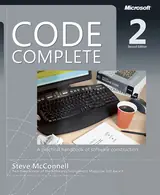 Code CompleteSteve McConnell52% match
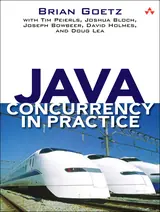 Java Concurrency in PracticeBrian Goetz, Tim Peierls49% match
Start with three books, and this one can be the first.
Members get a new edition every morning: a route out from their books to essays, research and talks, with the reason for each.
Start with this bookAbout this book
Linux Kernel Development details the design and implementation of the Linux kernel, presenting the content in a manner that is beneficial to those writing and developing kernel code, as well as to programmers seeking to better understand the operating system and become more efficient and productive in their coding. The book details the major subsystems and features of the Linux kernel, including its design, implementation, and interfaces.
Continue reading
It covers the Linux kernel with both a practical and theoretical eye, which should appeal to readers with a variety of interests and needs. The author, a core kernel developer, shares valuable knowledge and experience on the 2.6 Linux kernel. Specific topics covered include process management, scheduling, time management and timers, the system call interface, memory addressing, memory management, the page cache, the VFS, kernel synchronization, portability concerns, and debugging techniques. This book covers the most interesting features of the Linux 2.6 kernel, including the CFS scheduler, preemptive kernel, block I/O layer, and I/O schedulers. The third edition of Linux Kernel Development includes new and updated material throughout the book: - An all-new chapter on kernel data structures - Details on interrupt handlers and bottom halves - Extended coverage of virtual memory and memory allocation - Tips on debugging the Linux kernel - In-depth coverage of kernel synchronization and locking - Useful insight into submitting kernel patches and working with the Linux kernel community
Inside the Kernel
A practical and theoretical look at Linux’s inner workings, from process management to debugging.
Come here for
- Understand the design behind major kernel subsystems
- Explore synchronization, memory management, and scheduling
Expect
- A blend of implementation detail and operating-system concepts
- Coverage of Linux 2.6 features and kernel development practices
Where it sits
| Linux Systems | 100% |
|---|---|
| C Programming | 30% |
| Open Source Development | 30% |
Percentages are BookFrontier’s reading of the book.
Publisher categories
- Linux Systems
- C Programming
- Authors
- Robert Love
- Publisher
- Pearson Education
- Published
- June 22, 2010
- Format
- Print & ebook
- Theme
- Linux kernel design and implementation · Kernel subsystems and interfaces · Kernel debugging and synchronization
- Reading lane
- Linux Systems