
Hezbollah
A History of the Party of God
WW Norton · Print & ebook · September 25, 2012
For thirty years, Hezbollah has played a pivotal role in Lebanese and global politics.
We earn from qualifying purchases.
- Who it’s for
- Hezbollah’s place in Lebanese politics, religious debate, and regional obligations comes into focus.
- Themes
- Hezbollah’s history, Political and religious tensions, Regional obligations
- Genres
- Middle Eastern Politics, Shi'a Islam, Middle Eastern History
Nearest books
Matched by what the books are about, then ordered by what their readers also loved. Most of these share its genre: Middle Eastern Politics.
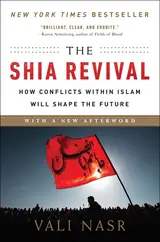 The Shia RevivalVali Nasr52% matchAlso shares Shi'a Islam
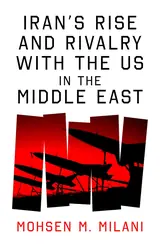 Iran's Rise and Rivalry With the US in the Middle EastMohsen M. Milani51% match
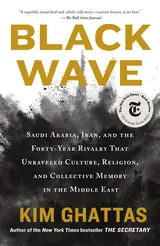 Black WaveKim Ghattas49% match
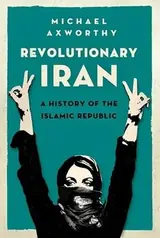 Revolutionary IranMichael Axworthy, Derek Perkins47% match
 The ProphetsNorman Podhoretz47% match
For younger readers: God’s Timeline, The Middle East, No God But God: the Origins and Evolution of Islam
Start with three books, and this one can be the first.
Members get a new edition every morning: a route out from their books to essays, research and talks, with the reason for each.
Start with this bookAbout this book
For thirty years, Hezbollah has played a pivotal role in Lebanese and global politics. That visibility has invited Hezbollah’s lionization and vilification by outside observers, and at the same time has prevented a clear-eyed view of Hezbollah’s place in the history of the Middle East and its future course of action.
Continue reading
Dominique Avon and Anaïs-Trissa Khatchadourian provide here a nonpartisan account which offers insights into Hezbollah that Western media have missed or misunderstood. Now part of the Lebanese government, Hezbollah nevertheless remains in tension with both the transnational Shiite community and a religiously diverse Lebanon. Calling for an Islamic regime would risk losing critical allies at home, but at the same time Hezbollah’s leaders cannot say that a liberal regime is the solution for the future. Consequently, they use the ambiguous expression “civil but believer state.” What happens when an organization founded as a voice of “revolution” and then “resistance” occupies a position of power, yet witnesses the collapse of its close ally, Syria? How will Hezbollah’s voice evolve as the party struggles to reconcile its regional obligations with its religious beliefs? The authors’ analyses of these key questions—buttressed by their clear English translations of foundational documents, including Hezbollah’s open letter of 1985 and its 2009 charter, and an in-depth glossary of key theological and political terms used by the party’s leaders—make Hezbollah an invaluable resource for all readers interested in the future of this volatile force.
Civil but Believer State
Hezbollah’s place in Lebanese politics, religious debate, and regional obligations comes into focus.
Come here for
- Hezbollah’s place in Lebanese and global politics
- Tensions between religious beliefs and regional obligations
Expect
- English translations of the 1985 open letter and 2009 charter
- A glossary of theological and political terms used by party leaders
Where it sits
| Middle Eastern Politics | 70% |
|---|---|
| Middle Eastern History | 38% |
| Shi'a Islam | 35% |
Percentages are BookFrontier’s reading of the book.
Publisher categories
- Political Ideologies
- Middle Eastern Politics
- Shi'a Islam
- Authors
- Dominique Avon, Anayis-Trissa Khatchadourian
- Publisher
- WW Norton
- Published
- September 25, 2012
- Format
- Print & ebook
- Theme
- Hezbollah’s history · Political and religious tensions · Regional obligations
- Reading lane
- Political Ideologies