
Gothicka
Vampire Heroes, Human Gods, and the New Supernatural
WW Norton · Print & ebook · November 18, 2013
The Gothic, Romanticism's gritty older sibling, has flourished in myriad permutations since the eighteenth century.
We earn from qualifying purchases.
- Who it’s for
- Readers interested in contemporary Gothic across novels, films, and graphic novels.
- Themes
- Contemporary Gothic, Supernaturalism in popular culture, Post-Christian religion
- Genres
- Gothic & Romance Lit Crit, Horror Lit Crit, Mind & Spirit
Nearest books
Matched by what the books are about, then ordered by what their readers also loved.
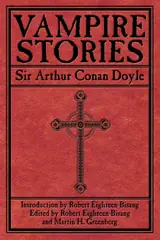 Vampire StoriesArthur Conan Doyle, Robert Eighteen-Bisang52% match
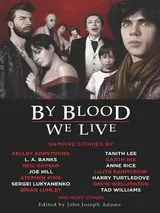 By Blood We LiveJohn Joseph Adams68% match
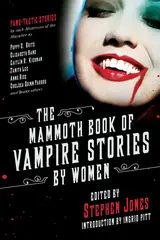 The Mammoth Book of Vampire Stories by WomenStephen Jones66% match
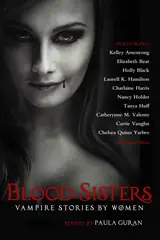 Blood SistersPaula Guran, Charlaine Harris64% match
For younger readers: The Dark Side of the Supernatural, Revised and Expanded Edition, Vampire Kisses: Blood Relatives, Volume I, Amazing Horror Stories
Start with three books, and this one can be the first.
Members get a new edition every morning: a route out from their books to essays, research and talks, with the reason for each.
Start with this bookAbout this book
The Gothic, Romanticism's gritty older sibling, has flourished in myriad permutations since the eighteenth century. In Gothicka, Victoria Nelson identifies the revolutionary turn it has taken in the twenty-first. Today's Gothic has fashioned its monsters into heroes and its devils into angels. It is actively reviving supernaturalism in popular culture, not as an evil dimension divorced from ordinary human existence but as part of our daily lives.
Continue reading
To explain this millennial shift away from the traditionally dark Protestant post-Enlightenment Gothic, Nelson studies the complex arena of contemporary Gothic subgenres that take the form of novels, films, and graphic novels. She considers the work of Dan Brown and Stephenie Meyer, graphic novelists Mike Mignola and Garth Ennis, Christian writer William P. Young (author of The Shack), and filmmaker Guillermo del Toro. She considers twentieth-century Gothic masters H. P. Lovecraft, Anne Rice, and Stephen King in light of both their immediate ancestors in the eighteenth century and the original Gothic-the late medieval period from which Horace Walpole and his successors drew their inspiration. Fictions such as the Twilight and Left Behind series do more than follow the conventions of the classic Gothic novel. They are radically reviving and reinventing the transcendental worldview that informed the West's premodern era. As Jesus becomes mortal in The Da Vinci Code and the child Ofelia becomes a goddess in Pan's Labyrinth, Nelson argues that this unprecedented mainstreaming of a spiritually driven supernaturalism is a harbinger of what a post-Christian religion in America might look like.
Who it’s for
- Readers interested in contemporary Gothic across novels, films, and graphic novels.
- Readers exploring supernaturalism and spirituality in popular culture.
Where it sits
| Horror Lit Crit | 92% |
|---|---|
| Gothic & Romance Lit Crit | 71% |
| Mind & Spirit | 64% |
Percentages are BookFrontier’s reading of the book.
Publisher categories
- Gothic & Romance Lit Crit
- SF & Fantasy Criticism
- Mind & Spirit
- Authors
- Victoria Nelson
- Publisher
- WW Norton
- Published
- November 18, 2013
- Format
- Print & ebook
- Theme
- Contemporary Gothic · Supernaturalism in popular culture · Post-Christian religion
- Reading lane
- Gothic & Romance Lit Crit