
People's History of Computing in the United States
Hardcover – Illustrated, October 8, 2018
WW Norton · Hardcover · October 8, 2018
Silicon Valley gets all the credit for digital creativity, but this account of the pre-PC world, when computing meant more than using mature consumer technology, challenges that triumphalism.
We earn from qualifying purchases.
- Who it’s for
- A history of early computing that shifts attention from Silicon Valley to shared academic networks.
- Themes
- Early academic and social computing, Computing as a digital commons, Democratic internet and net neutrality
- Genres
- History of Computing, Tech & Society, 20th-Century America
Nearest books
Matched by what the books are about, then ordered by what their readers also loved.
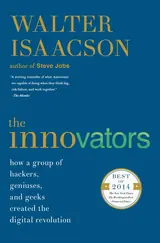 The InnovatorsWalter Isaacson67% matchShares History of Computing
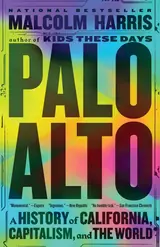 Palo AltoMalcolm Harris, Patrick Harrison66% matchShares History of Computing
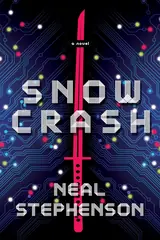 Snow CrashNeal Stephenson54% match
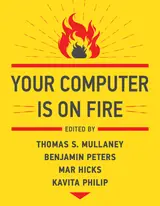 Your Computer Is on FireThomas S. Mullaney, Benjamin Peters62% matchShares Tech & Society
For younger readers: Science Comics: Computers, Digital Revolutionaries, Dreaming in Code: Ada Byron Lovelace, Computer Pioneer
Start with three books, and this one can be the first.
Members get a new edition every morning: a route out from their books to essays, research and talks, with the reason for each.
Start with this bookAbout this book
Silicon Valley gets all the credit for digital creativity, but this account of the pre-PC world, when computing meant more than using mature consumer technology, challenges that triumphalism. The invention of the personal computer liberated users from corporate mainframes and brought computing into homes.
Continue reading
But throughout the 1960s and 1970s a diverse group of teachers and students working together on academic computing systems conducted many of the activities we now recognize as personal and social computing. Their networks were centered in New Hampshire, Minnesota, and Illinois, but they connected far-flung users. Joy Rankin draws on detailed records to explore how users exchanged messages, programmed music and poems, fostered communities, and developed computer games like The Oregon Trail. These unsung pioneers helped shape our digital world, just as much as the inventors, garage hobbyists, and eccentric billionaires of Palo Alto. By imagining computing as an interactive commons, the early denizens of the digital realm seeded today’s debate about whether the internet should be a public utility and laid the groundwork for the concept of net neutrality. Rankin offers a radical precedent for a more democratic digital culture, and new models for the next generation of activists, educators, coders, and makers.
Shared Beginnings
A history of early computing that shifts attention from Silicon Valley to shared academic networks.
Come here for
- Computing history beyond the familiar Silicon Valley origin story
- Messages, music, poems, games, and communities built around academic computers
Expect
- A picture of computing as a collaborative commons, not just a consumer technology
- Connections between early networks and debates over digital democracy
Where it sits
| History of Computing | 90% |
|---|---|
| Tech & Society | 32% |
| 20th-Century America | 31% |
Percentages are BookFrontier’s reading of the book.
Publisher categories
- History of Computing
- History of Education
- 20th-Century America
- Authors
- Joy Lisi Rankin
- Publisher
- WW Norton
- Published
- October 8, 2018
- Format
- Hardcover
- Theme
- Early academic and social computing · Computing as a digital commons · Democratic internet and net neutrality
- Reading lane
- History of Computing