
In Cold Blood
Paperback – Bargain Price, February 1, 1994
Knopf Doubleday Publishing Group · Paperback · February 1, 1994
NATIONAL BESTSELLER • The most famous true crime novel of all time "chills the blood and exercises the intelligence" (The New York Review of Books)—and haunted its author long after he finished writing it.
We earn from qualifying purchases.
- Who it’s for
- A taut, literary true-crime read with Capote’s cool, exacting voice.
- Themes
- true crime, American violence, justice
- Pacing
- Steady
Nearest books
Matched by what the books are about, then ordered by what their readers also loved.
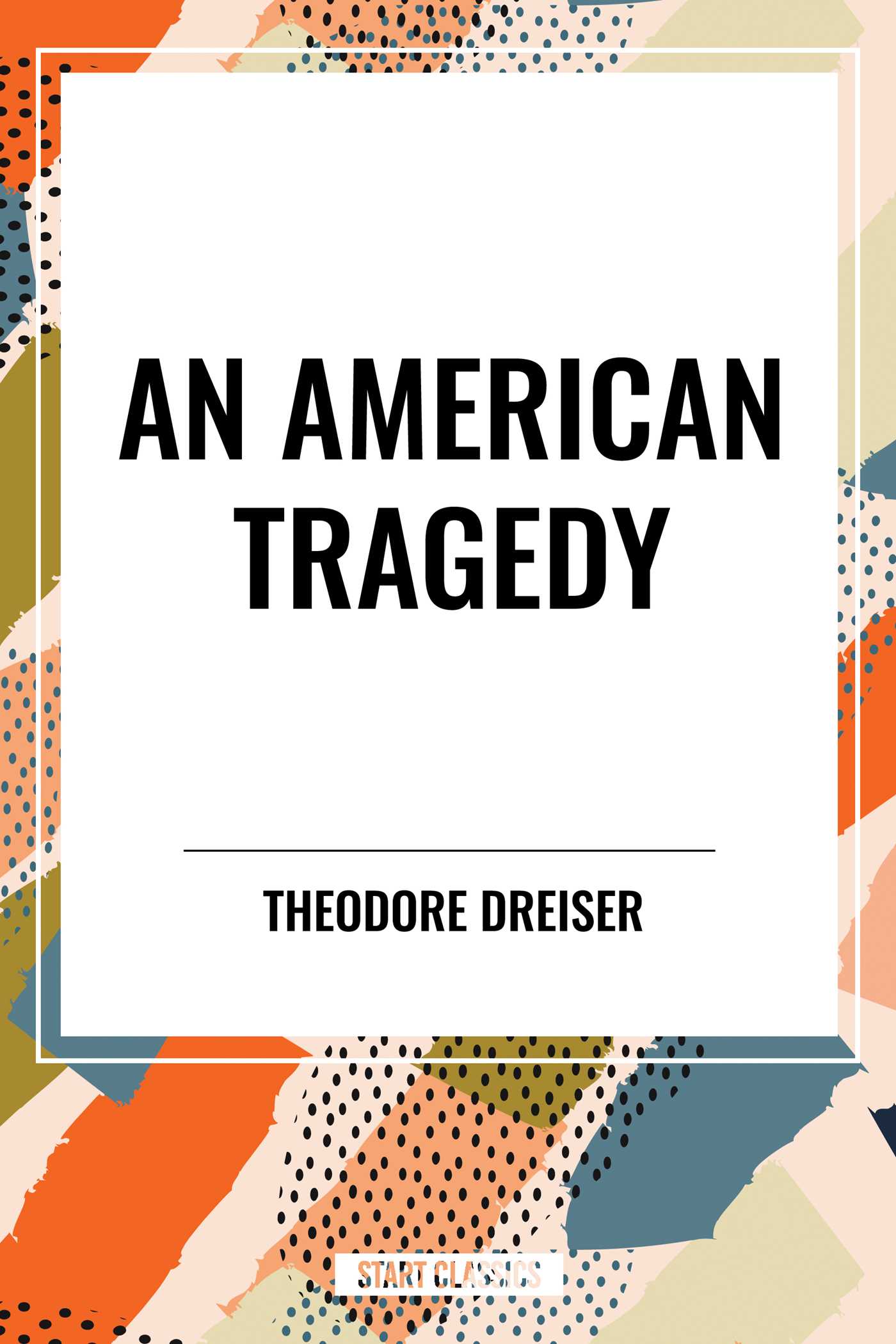 American TragedyTheodore Dreiser55% match
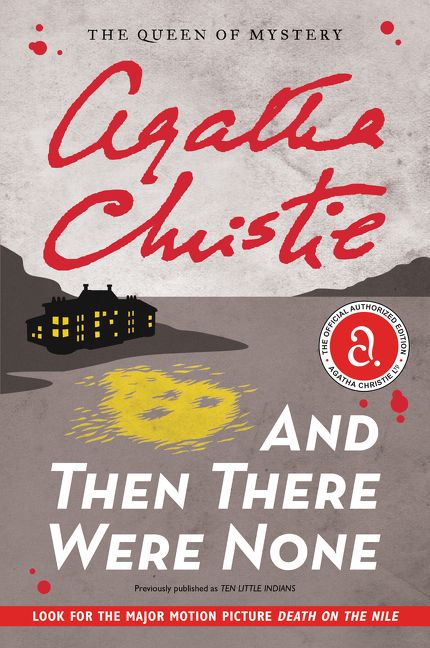 And Then There Were NoneAgatha Christie54% match
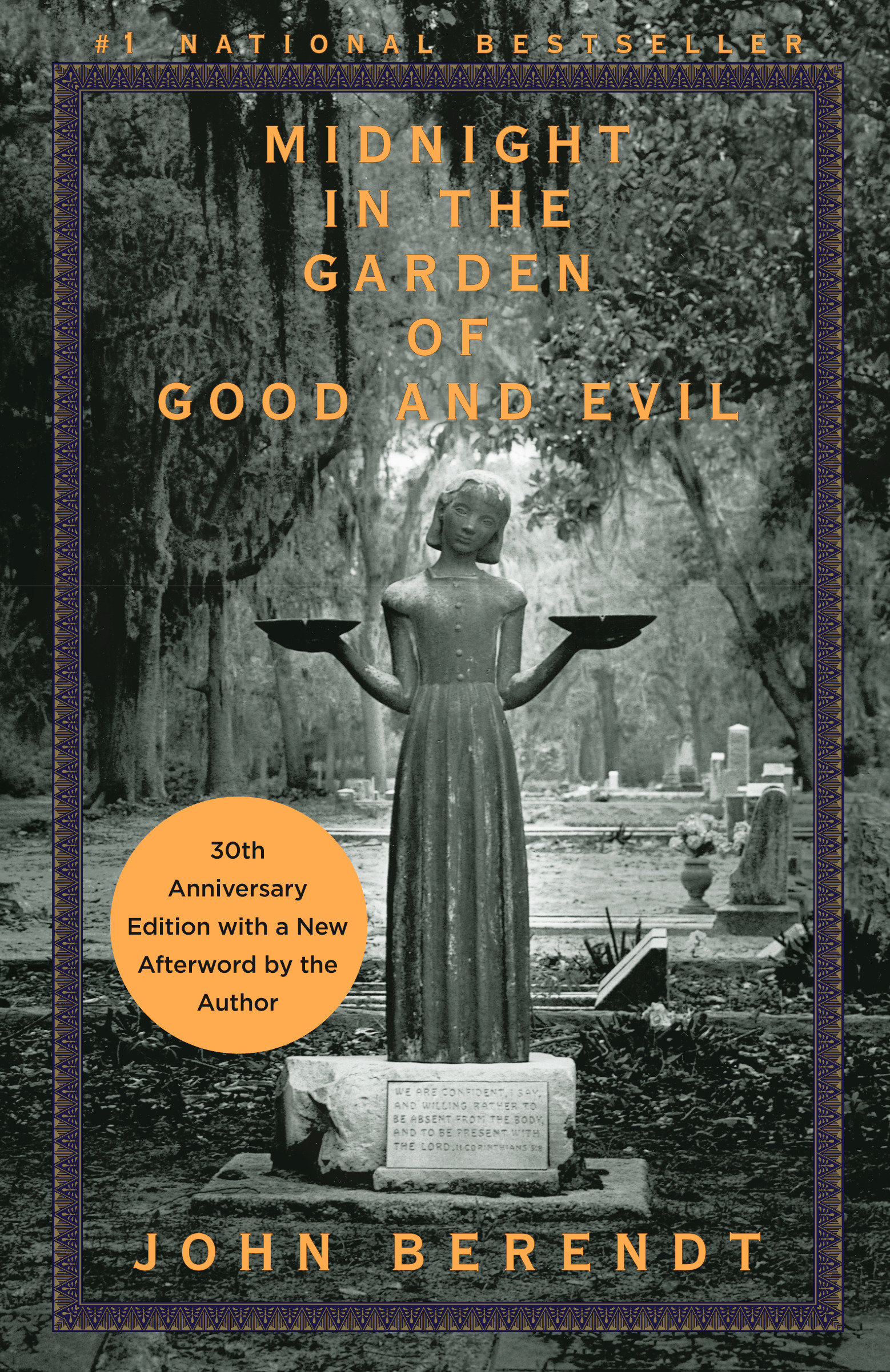 Midnight in the Garden of Good and EvilJohn Berendt56% matchShares Murder & Homicide
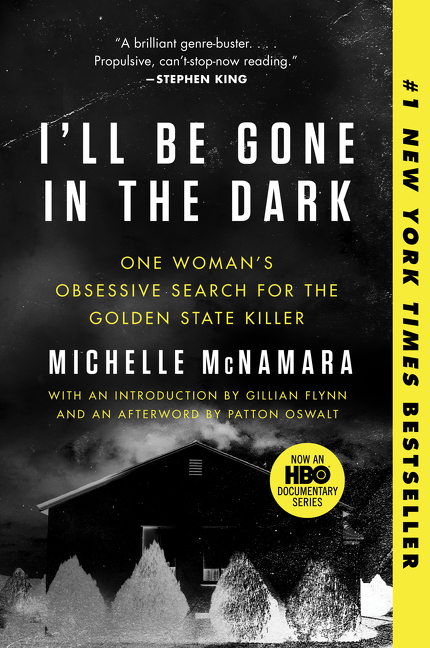 I'll Be Gone in the DarkMichelle McNamara, Gabra Zackman59% match
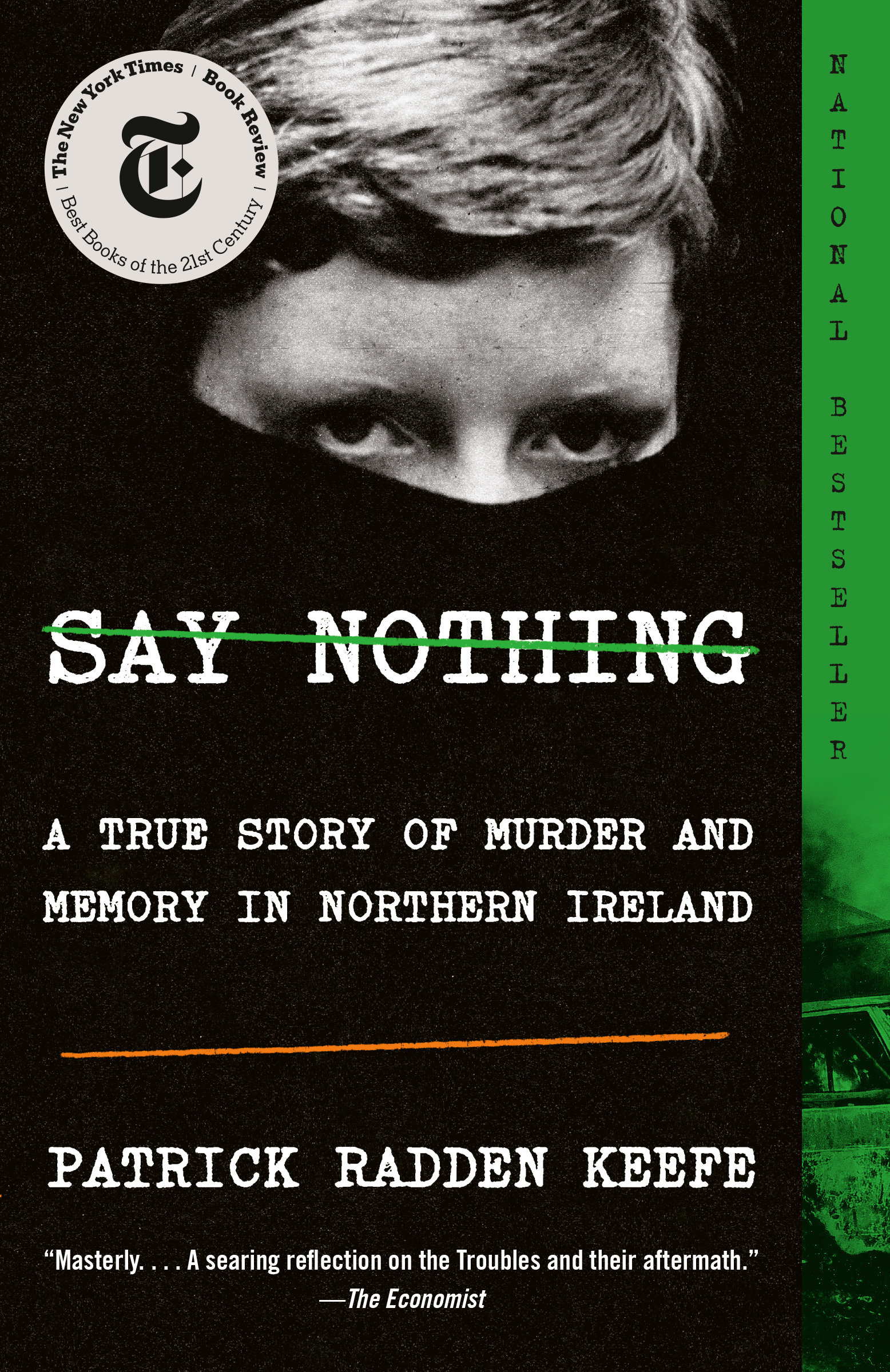 Say NothingPatrick Radden Keefe53% match
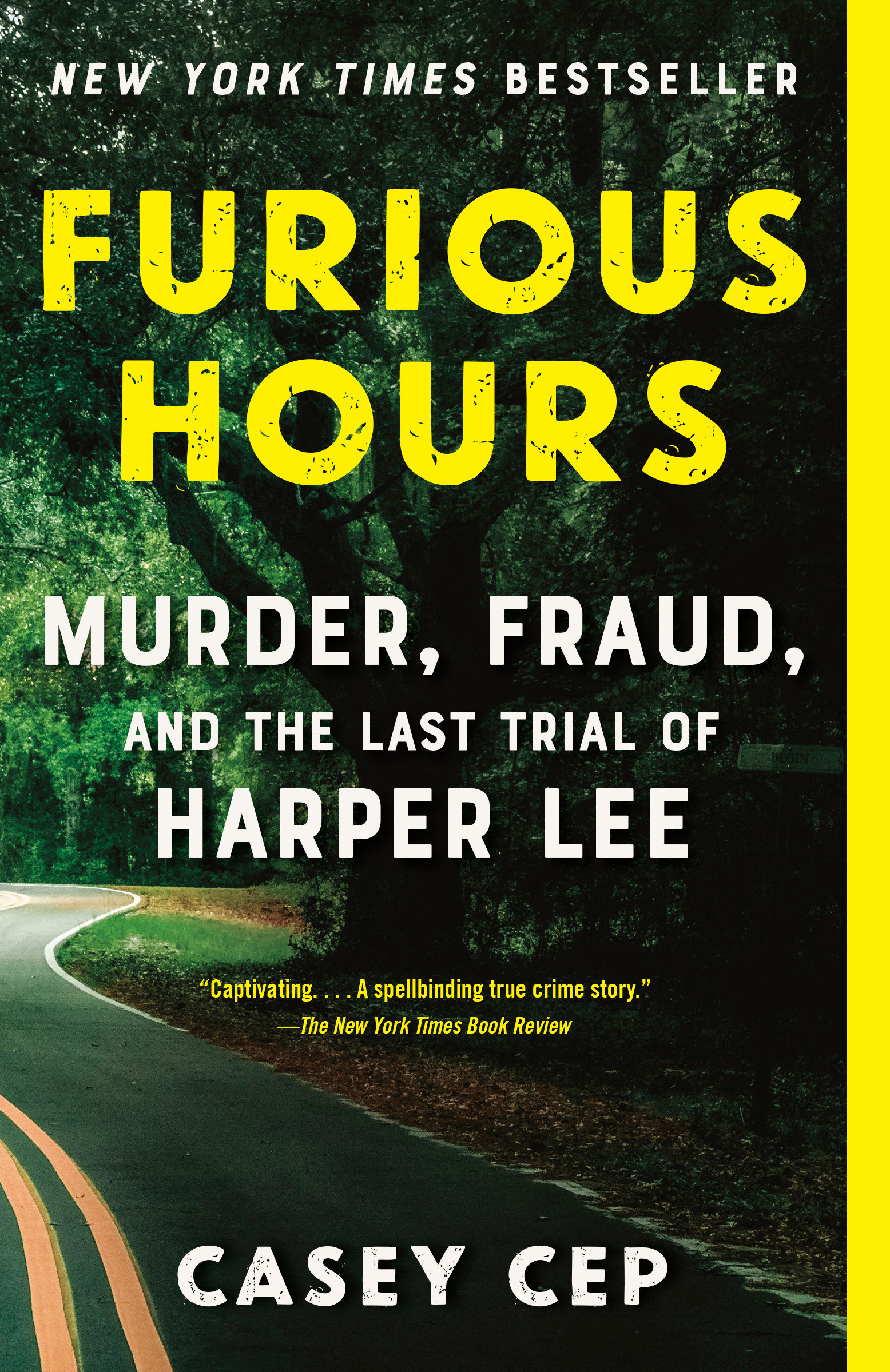 Furious HoursCasey Cep60% match
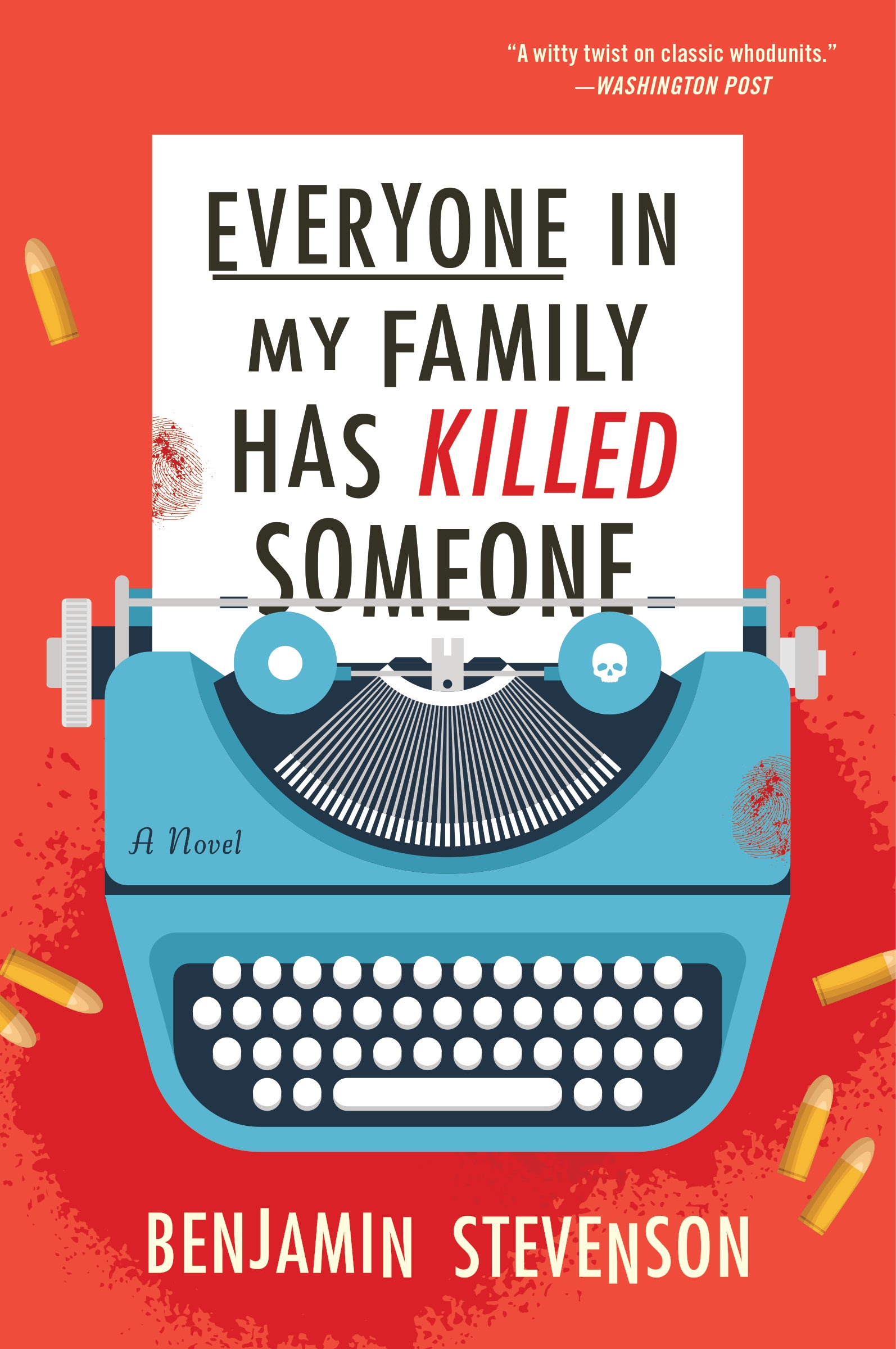 Everyone in My Family Has Killed SomeoneBenjamin Stevenson, Barton Welch55% match
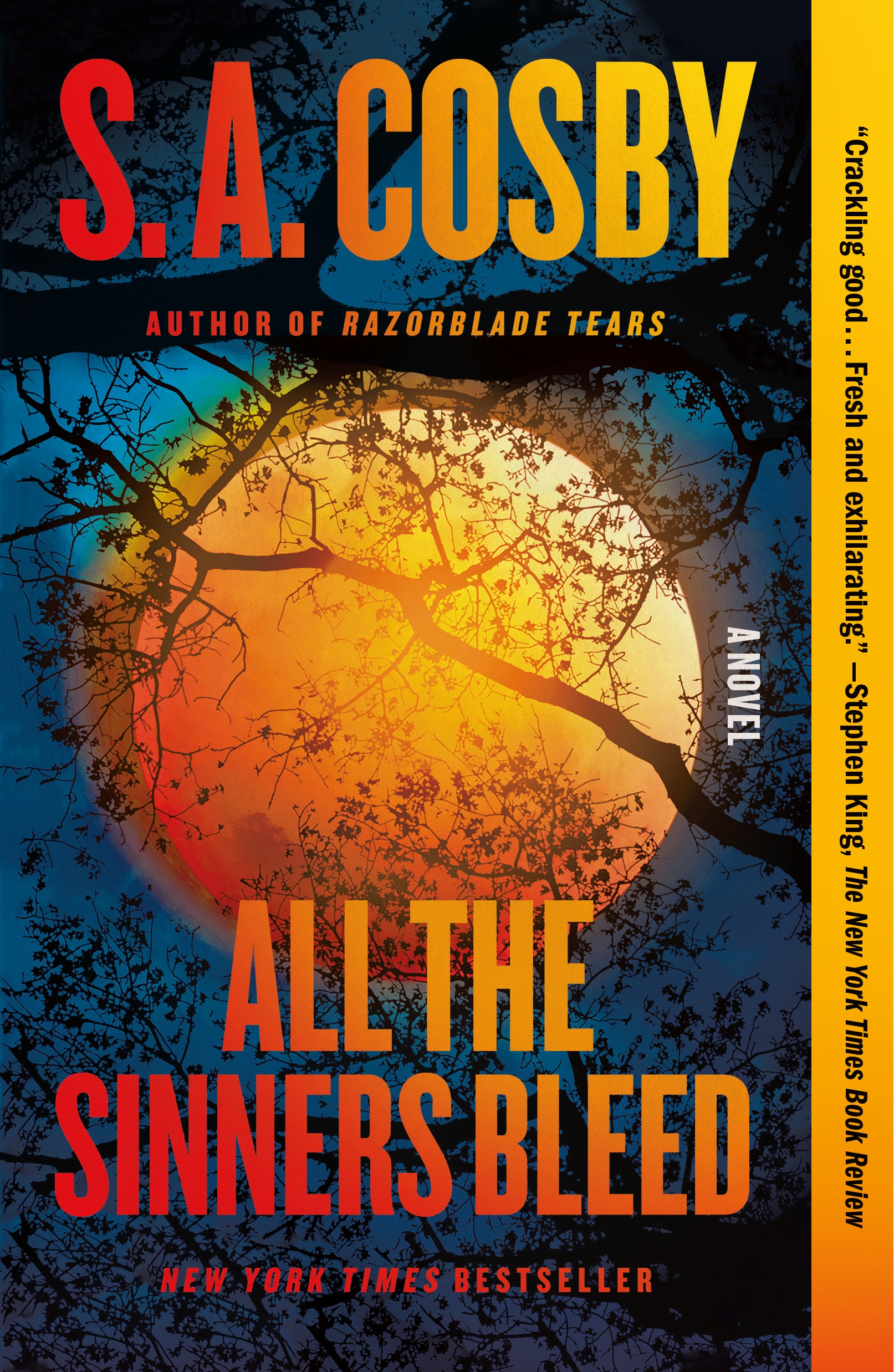 All the Sinners BleedS. A. Cosby53% match
For younger readers: All These Bodies, The Book Thief, The Cabin
Start with three books, and this one can be the first.
Members get a new edition every morning: a route out from their books to essays, research and talks, with the reason for each.
Start with this bookAbout this book
NATIONAL BESTSELLER • The most famous true crime novel of all time "chills the blood and exercises the intelligence" (The New York Review of Books)—and haunted its author long after he finished writing it. On November 15, 1959, in the small town of Holcomb, Kansas, four members of the Clutter family were savagely murdered by blasts from a shotgun held a few inches from their faces. There was no apparent motive for the crime, and there were almost no clues.
Continue reading
In one of the first non-fiction novels ever written, Truman Capote reconstructs the murder and the investigation that led to the capture, trial, and execution of the killers, generating both mesmerizing suspense and astonishing empathy. In Cold Blood is a work that transcends its moment, yielding poignant insights into the nature of American violence.
Cold Precision
A taut, literary true-crime read with Capote’s cool, exacting voice.
Come here for
- Capote’s precise, unsentimental grip
- True-crime gravity, told with narrative poise
Expect
- A sustained, immersive pull
- Hard-boiled texture with a measured pace
Where it sits
| Murder & Homicide | 81% |
|---|
Percentages are BookFrontier’s reading of the book.
Publisher categories
- Midwest History
- Criminology
- Murder & Homicide
- Authors
- Truman Capote
- Publisher
- Knopf Doubleday Publishing Group
- Published
- February 1, 1994
- Format
- Paperback
- Theme
- true crime · American violence · justice
- Reading lane
- Midwest History