Migrant Mother
How a Photograph Defined the Great Depression
Capstone · Print & ebook · December 1, 2010
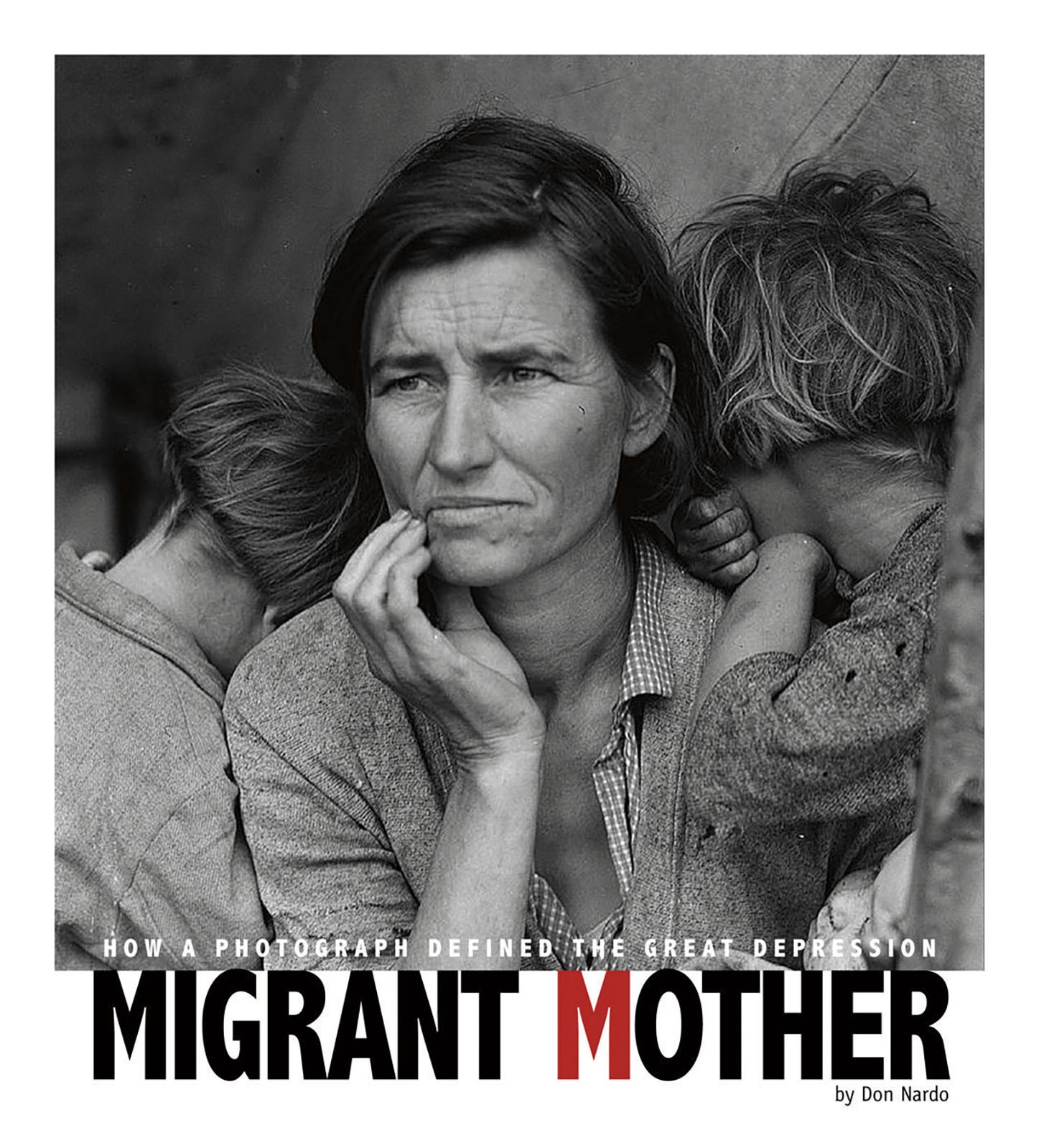
In the 1930s, photographer Dorothea Lange traveled the American West documenting the experiences of those devastated by the Great Depression.
We earn from qualifying purchases.
- Who it’s for
- Follow how one portrait came to stand for the human cost of the Great Depression.
- Themes
- Great Depression hardship, Documentary photography, Photography and political change
- Genres
- 20th Century U.S., Photography for Kids, Poverty & Homelessness
Nearest books
Matched by what the books are about, then ordered by what their readers also loved.
 Dust for DinnerAnn Turner47% match
 Blue WillowDoris Gates47% match
 A Letter to Mrs. RooseveltC. Coco De Young45% match
For older readers: All the Stars Denied, Phenomenal Moments: Revealing the Hidden Science Around US, The Lost Art of Dress
Start with three books, and this one can be the first.
Members get a new edition every morning: a route out from their books to essays, research and talks, with the reason for each.
Start with this bookAbout this book
In the 1930s, photographer Dorothea Lange traveled the American West documenting the experiences of those devastated by the Great Depression. She wanted to use the power of the image to effect political change, but even she could hardly have expected the effect that a simple portrait of a worn-looking woman and her children would have on history. This image, taken at a migrant workers?
Continue reading
camp in Nipomo, California, would eventually come to be seen as the very symbol of the Depression. The photograph helped reveal the true cost of the disaster on human lives and shocked the U.S. government into providing relief for the millions of other families devastated by the Depression.
An Image’s Reach
Follow how one portrait came to stand for the human cost of the Great Depression.
Come here for
- The meeting point of historical photography and public life
- A portrait whose influence reached beyond the frame
Expect
- A focused look at Dorothea Lange’s Depression-era work
- Attention to how an image helped prompt government relief
Where it sits
| Photography for Kids | 75% |
|---|---|
| Poverty & Homelessness | 71% |
| 20th Century U.S. | 62% |
Percentages are BookFrontier’s reading of the book.
Publisher categories
- 20th Century U.S.
- U.S. Places
- Photography for Kids
- Civics & Government
Show all 5 publisher categories
- Poverty & Homelessness
- Authors
- Don Nardo
- Publisher
- Capstone
- Published
- December 1, 2010
- Format
- Print & ebook
- Theme
- Great Depression hardship · Documentary photography · Photography and political change
- Reading lane
- 20th Century U.S.