
Offshore Oildom
America's Energy Expansion Into the Ocean
LSU Press · Print & ebook · Forthcoming
We earn from qualifying purchases.
- Who it’s for
- Tyler Priest traces how offshore oil reshaped U.S. borders, energy policy, and environmental conflict.
- Genres
- Energy Policy, Petroleum Engineering, Environmental Policy
- Published
- LSU Press, Forthcoming
Nearest books
Matched by what the books are about, then ordered by what their readers also loved.
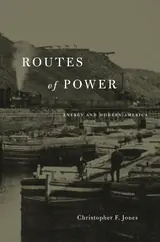 Routes of PowerJones60% match
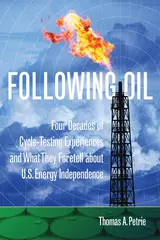 Following OilThomas A. Petrie59% matchShares Energy Policy
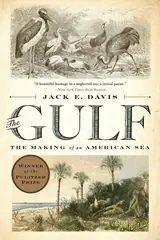 The GulfJack E. Davis, Jack Emerson Davis58% match
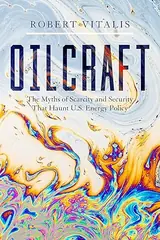 OilcraftRobert Vitalis58% matchShares Energy Policy
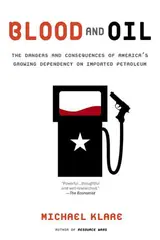 Blood and OilMichael T. Klare56% matchShares Energy Policy
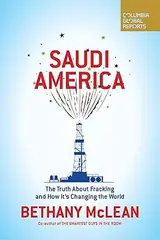 Saudi AmericaMs. Bethany McLean, Bethany McLean56% match
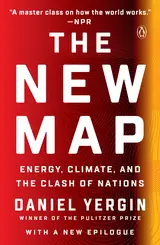 The New MapDaniel Yergin55% match
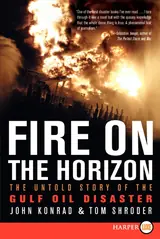 Fire on the HorizonTom Shroder, John Konrad55% matchShares Petroleum Engineering
For younger readers: Black Gold, Tracking Trash, Many Voices
Start with three books, and this one can be the first.
Members get a new edition every morning: a route out from their books to essays, research and talks, with the reason for each.
Start with this bookAbout this book
Offshore Oildom tells the riveting story of the United States? quest to secure the oil riches of the sea. Drawing on a wealth of untapped sources, Tyler Priest reveals how the offshore oil industry emerged from an ambitious project to incorporate the ocean?s submerged lands into the territory of the United States. These lands were frontier spaces, beyond traditional jurisdiction and control.
Continue reading
Efforts to commandeer them for oil and gas extraction thus required new institutions of governance. From the titanic struggle over the tidelands starting in the 1930s to Project Independence in the 1970s, the process of establishing an offshore dominion of oil provoked intractable conflicts over money, values, and power. It pitted coastal states against their land-locked counterparts and captains of industry against federal civil servants and coastal communities. It stoked partisan and internecine warfare. It set off an international race to annex offshore territory, complicating U.S. foreign-policy objectives. It weighed on the minds of Supreme Court justices and troubled every occupant of the White House from Franklin Roosevelt forward. The modern environmental movement was born in opposition to offshore oil just as the 1970s energy crisis compelled the acceleration of drilling in the ocean. Creating and governing an offshore oildom involved nothing less than redrawing the territorial borders of the nation, rebuilding the political foundations of the U.S. energy system, and testing the environmental limits of resource extraction. This history is essential to understanding the tension between energy security and environmental protection in modern America.
Claiming Submerged Lands
Tyler Priest traces how offshore oil reshaped U.S. borders, energy policy, and environmental conflict.
Come here for
- The drive to claim submerged lands for oil and gas extraction
- Conflicts among coastal states, federal officials, industry, and communities
Expect
- From the tidelands struggle of the 1930s to Project Independence in the 1970s
- A history of competing claims over money, power, and ocean resources
Where it sits
| Energy Policy | 56% |
|---|---|
| Environmental Policy | 56% |
| Petroleum Engineering | 34% |
Percentages are BookFrontier’s reading of the book.
Publisher categories
- Mining & Extraction Business
- Southern U.S. History
- Energy Policy
- Authors
- Tyler Priest
- Publisher
- LSU Press
- Published
- Forthcoming
- Format
- Print & ebook
- Reading lane
- Mining & Extraction Business