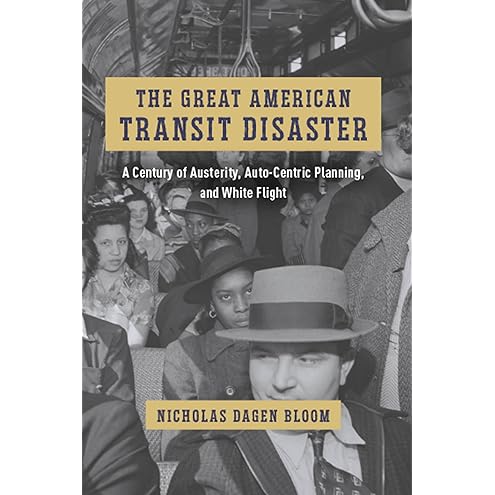
The Metropolitan Airport
JFK International and Modern New York
University of Pennsylvania Press, Inc. · Print & ebook · September 10, 2015
John F. Kennedy International Airport is one of New York City's most successful and influential redevelopment projects.
We earn from qualifying purchases.
- Who it’s for
- Nicholas Dagen Bloom traces how JFK shaped New York’s metropolitan growth and faced resistance to expansion.
- Themes
- Airport history, Urban development, Metropolitan change
- Genres
- Aviation History, Cities & Urban Planning, Middle Atlantic History
Nearest books
Matched by what the books are about, then ordered by what their readers also loved. Most of these share its genre: Middle Atlantic History.
 A Nation of ImmigrantsJohn F. Kennedy50% match
 Taking ManhattanRussell Shorto49% match
 The Power Broker (pulitzer Prize Winner)Robert A. Caro48% matchAlso shares Cities & Urban Planning
 The Death and Life of Great American CitiesJane Jacobs47% matchAlso shares Cities & Urban Planning
 The FlatironAlice Sparberg Alexiou46% match
 City of DreamsTyler Anbinder46% match
For younger readers: Manhattan, The Rise and Fall of Charles Lindbergh, What Was Ellis Island?
Start with three books, and this one can be the first.
Members get a new edition every morning: a route out from their books to essays, research and talks, with the reason for each.
Start with this bookAbout this book
John F. Kennedy International Airport is one of New York City's most successful and influential redevelopment projects. Built and defined by outsize personalities—Mayor Fiorello La Guardia, famed urban planner Robert Moses, and Port Authority Executive Director Austin Tobin among them—JFK was fantastically expensive and unprecedented in its scale. By the late 1940s, once-polluted marshlands had become home to one of the world's busiest and most advanced airfields.
Continue reading
Almost from the start, however, environmental activists in surrounding neighborhoods and suburbs clashed with the Port Authority. These fierce battles in the long term restricted growth and, compounded by lackluster management and planning, diminished JFK's status and reputation. Yet the airport remained a key contributor to metropolitan vitality: New Yorkers bound for adventure and business still boarded planes headed to distant corners of the globe, billions of tourists and immigrants came and went, and mammoth air cargo facilities bolstered the region's commerce. In The Metropolitan Airport, Nicholas Dagen Bloom chronicles the untold story of JFK International's complicated and turbulent relationship with the New York City metropolitan region. In spite of its reputation for snarled traffic, epic delays, endless construction, and abrasive employees, the airport was a key player in shifting patterns of labor, transportation, and residence; the airport both encouraged and benefited from the dispersion of population and economic activity to the outer boroughs and suburbs. As Bloom shows, airports like JFK are vibrant parts of their cities and powerfully influence urban development. The Metropolitan Airport is an indispensable book for those who wish to understand the revolutionary impact of airports on the modern American city.
JFK and New York
Nicholas Dagen Bloom traces how JFK shaped New York’s metropolitan growth and faced resistance to expansion.
Come here for
- JFK’s clashes with environmental activists in nearby neighborhoods and suburbs
- Its role in shifting labor, transportation, and residence
Expect
- The airport’s influence on outer boroughs and suburbs
- Its contribution to tourism, immigration, and regional commerce
Where it sits
| Aviation History | 44% |
|---|---|
| Cities & Urban Planning | 44% |
| Middle Atlantic History | 21% |
Percentages are BookFrontier’s reading of the book.
Publisher categories
- Regional Policy
- Urban Life
- Authors
- Nicholas Dagen Bloom
- Publisher
- University of Pennsylvania Press, Inc.
- Published
- September 10, 2015
- Format
- Print & ebook
- Theme
- Airport history · Urban development · Metropolitan change
- Reading lane
- Regional Policy