
The War That Ended Peace
The Road to 1914
Random House Publishing Group · Print & ebook · July 29, 2014
NAMED ONE OF THE BEST BOOKS OF THE YEAR BY The New York Times Book Review • The Economist • The Christian Science Monitor • Bloomberg Businessweek • The Globe and Mail From the bestselling and award-winning author of Paris 1919 comes a masterpiece of narrative nonfiction, a fascinating portrait of Europe from 1900 up to the outbreak of World War I. The century since the end of the Napoleonic wars had been the most peaceful era Europe had known since the fall of the Roman Empire.
We earn from qualifying purchases.
- Who it’s for
- Readers interested in detailed historical analysis of early 20th century Europe
- Themes
- historical conflict, political intrigue, diplomacy
- Pacing
- Steady
Nearest books
Matched by what the books are about, then ordered by what their readers also loved. Most of these share its genre: World War I History.
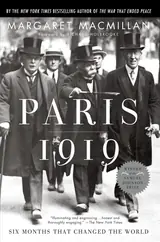 Paris 1919Margaret MacMillan, Richard Holbrooke73% matchAlso shares Diplomacy
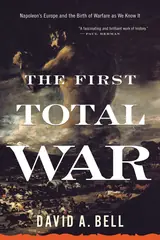 The First Total WarDavid A. Bell69% match
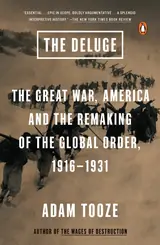 The DelugeAdam Tooze69% matchAlso shares 20th-Century History
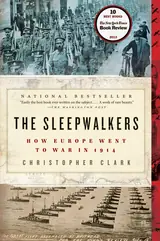 The SleepwalkersChristopher Clark67% match
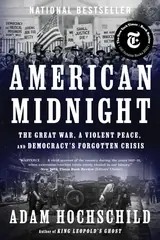 American MidnightAdam Hochschild, Jonathan Todd Ross67% match
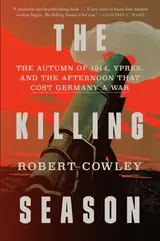 The Killing SeasonRobert Cowley65% match
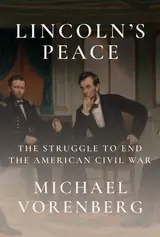 Lincoln's PeaceMichael Vorenberg65% match
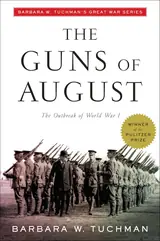 The Guns of AugustBarbara W. Tuchman64% match
For younger readers: What Was World War I?, World War One: 1914-1918, The War to End All Wars
Start with three books, and this one can be the first.
Members get a new edition every morning: a route out from their books to essays, research and talks, with the reason for each.
Start with this bookAbout this book
NAMED ONE OF THE BEST BOOKS OF THE YEAR BY The New York Times Book Review • The Economist • The Christian Science Monitor • Bloomberg Businessweek • The Globe and Mail From the bestselling and award-winning author of Paris 1919 comes a masterpiece of narrative nonfiction, a fascinating portrait of Europe from 1900 up to the outbreak of World War I. The century since the end of the Napoleonic wars had been the most peaceful era Europe had known since the fall of the Roman Empire.
Continue reading
In the first years of the twentieth century, Europe believed it was marching to a golden, happy, and prosperous future. But instead, complex personalities and rivalries, colonialism and ethnic nationalisms, and shifting alliances helped to bring about the failure of the long peace and the outbreak of a war that transformed Europe and the world. The War That Ended Peace brings vividly to life the military leaders, politicians, diplomats, bankers, and the extended, interrelated family of crowned heads across Europe who failed to stop the descent into war: in Germany, the mercurial Kaiser Wilhelm II and the chief of the German general staff, Von Moltke the Younger; in Austria-Hungary, Emperor Franz Joseph, a man who tried, through sheer hard work, to stave off the coming chaos in his empire; in Russia, Tsar Nicholas II and his wife; in Britain, King Edward VII, Prime Minister Herbert Asquith, and British admiral Jacky Fisher, the fierce advocate of naval reform who entered into the arms race with Germany that pushed the continent toward confrontation on land and sea. There are the would-be peacemakers as well, among them prophets of the horrors of future wars whose warnings went unheeded: Alfred Nobel, who donated his fortune to the cause of international understanding, and Bertha von Suttner, a writer and activist who was the first woman awarded Nobel’s new Peace Prize. Here too we meet the urbane and cosmopolitan Count Harry Kessler, who noticed many of the early signs that something was stirring in Europe; the young Winston Churchill, then First Lord of the Admiralty and a rising figure in British politics; Madame Caillaux, who shot a man who might have been a force for peace; and more. With indelible portraits, MacMillan shows how the fateful decisions of a few powerful people changed the course of history. Taut, suspenseful, and impossible to put down, The War That Ended Peace is also a wise cautionary reminder of how wars happen in spite of the near-universal desire to keep the peace. Destined to become a classic in the tradition of Barbara Tuchman’s The Guns of August, The War That Ended Peace enriches our understanding of one of the defining periods and events of the twentieth century. Praise for The War That Ended Peace “Magnificent . . . The War That Ended Peace will certainly rank among the best books of the centennial crop.”—The Economist “Superb.”—The New York Times Book Review “Masterly . . . marvelous . . . Those looking to understand why World War I happened will have a hard time finding a better place to start.”—The Christian Science Monitor “The debate over the war’s origins has raged for years. Ms. MacMillan’s explanation goes straight to the heart of political fallibility. . . . Elegantly written, with wonderful character sketches of the key players, this is a book to be treasured.”—The W
Who it’s for
- Readers interested in detailed historical analysis of early 20th century Europe
- Those who want to understand the complex causes leading to World War I
Where it sits
| World War I History | 100% |
|---|---|
| 20th-Century History | 37% |
| Diplomacy | 27% |
Percentages are BookFrontier’s reading of the book.
Publisher categories
- Western European History
- World War I History
- International Relations
- Authors
- Margaret MacMillan
- Publisher
- Random House Publishing Group
- Published
- July 29, 2014
- Format
- Print & ebook
- Theme
- historical conflict · political intrigue · diplomacy
- Reading lane
- Western European History