
The Forgotten Men
Serving a Life Without Parole Sentence
Rutgers University Press · Print & ebook · May 8, 2015
Today there are approximately fifty thousand prisoners in American prisons serving life without parole, having been found guilty of crimes ranging from murder and rape to burglary, carjacking, and drug offences.
We earn from qualifying purchases.
- Who it’s for
- Margaret E. Leigey examines aging prisoners’ efforts to cope and find meaning inside prison.
- Themes
- Life without parole, Prisoner isolation, Finding meaning in prison
- Genres
- Penology & Prisons, Criminal Sentencing, Criminology
Nearest books
Matched by what the books are about, then ordered by what their readers also loved. Most of these share its genre: Penology & Prisons.
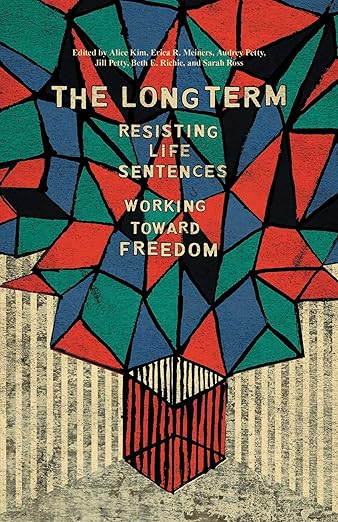 The Long TermAlice Kim, Erica Meiners66% matchAlso shares Criminal Sentencing
 The VolunteerGianna Toboni55% match
 End of Its RopeBrandon L. Garrett55% matchAlso shares Criminal Sentencing and Criminology
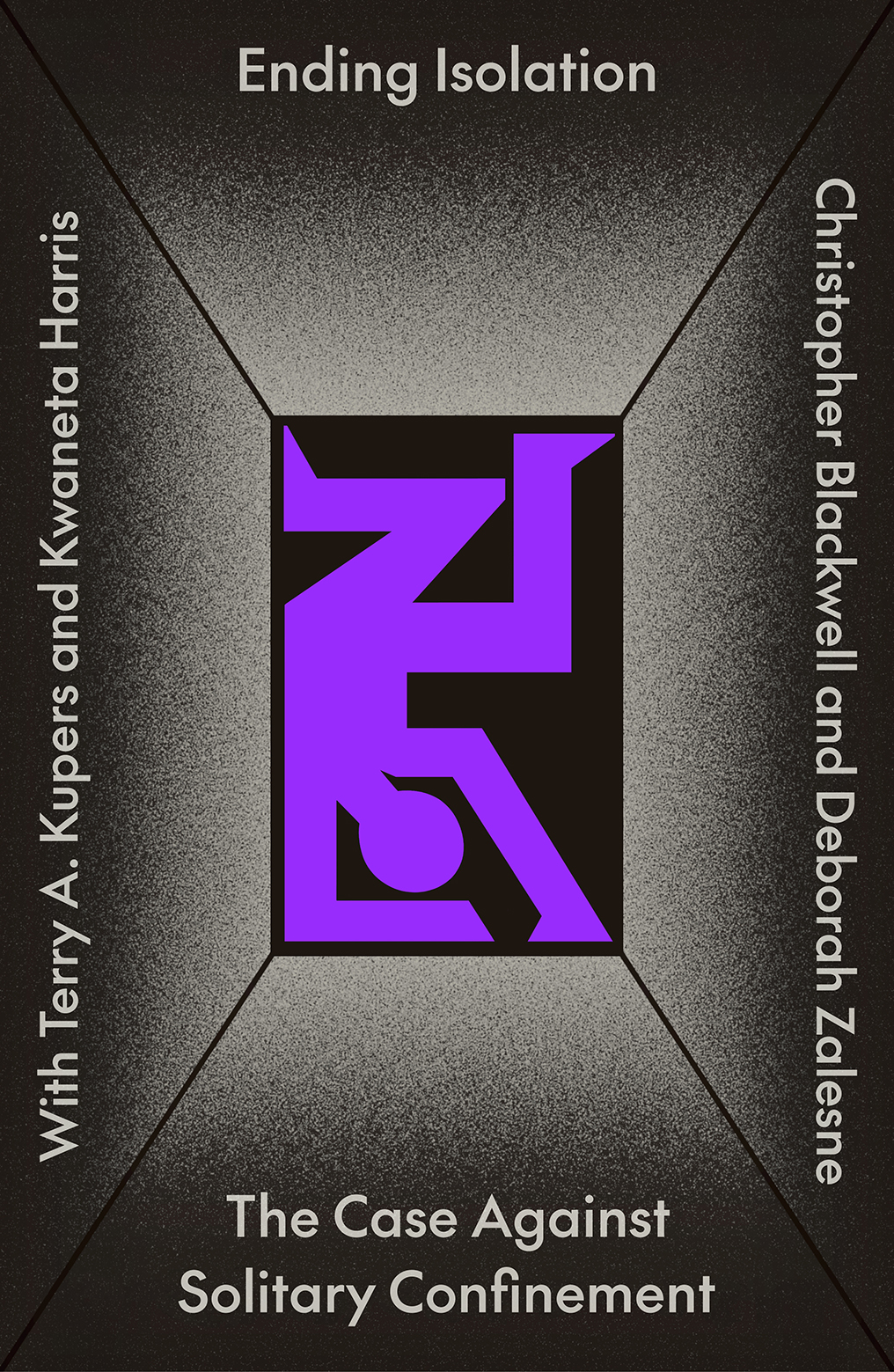 Ending IsolationChristopher William Blackwell, Deborah Zalesne53% match
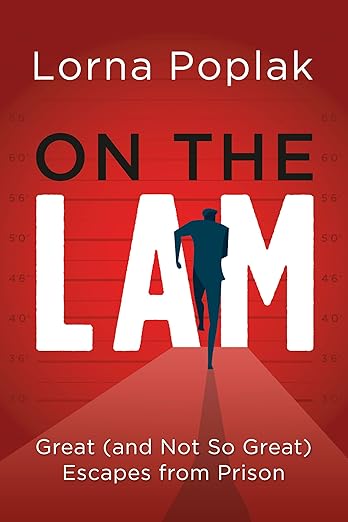 On the LamLorna Poplak52% match
 Are Prisons Obsolete?Angela Y. Davis52% matchAlso shares Criminology
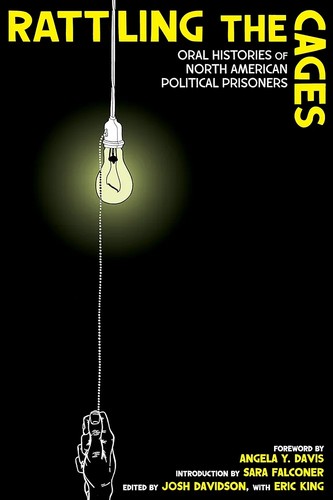 Rattling the CagesAngela Y. Davis - foreword, Sara Falconer - introduction51% match
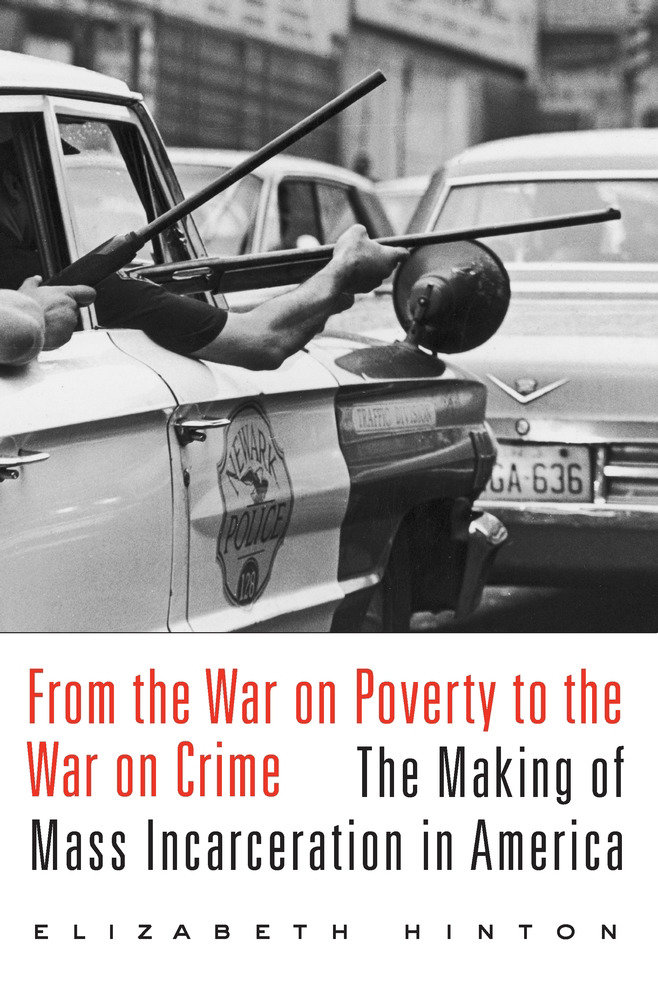 From the War on Poverty to the War on CrimeElizabeth Hinton49% matchAlso shares Criminology
For younger readers: One Cut, Escape From Alcatraz, When Can We Go Back to America?
Start with three books, and this one can be the first.
Members get a new edition every morning: a route out from their books to essays, research and talks, with the reason for each.
Start with this bookAbout this book
Today there are approximately fifty thousand prisoners in American prisons serving life without parole, having been found guilty of crimes ranging from murder and rape to burglary, carjacking, and drug offences. In The Forgotten Men, criminologist Margaret E. Leigey provides an insightful account of a group of aging inmates imprisoned for at least twenty years, with virtually no chance of release.
Continue reading
These men make up one of the most marginalized segments of the contemporary U.S. prison population. Considered too dangerous for rehabilitation, ignored by prison administrators, and overlooked by courts disinclined to review such sentences, these prisoners grow increasingly cut off from family and the outside world. Drawing on in-depth interviews with twenty-five such prisoners, Leigey gives voice to these extremely marginalized inmates and offers a look at how they struggle to cope. She reveals, for instance, that the men believe that permanent incarceration is as inhumane as capital punishment, calling life without parole “the hard death penalty.” Indeed, after serving two decades in prison, some wished that they had received the death penalty instead. Leigey also recounts the ways in which the prisoners attempt to construct meaningful lives inside the bleak environment where they will almost certainly live out their lives. Every state in the union (except Alaska) has the life-without-parole sentencing option, despite its controversial nature and its staggering cost to the taxpayer. The Forgotten Men provides a much-needed analysis of the policies behind life-without-parole sentencing, arguing that such sentences are overused and lead to serious financial and ethical dilemmas.
Life Without Parole
Margaret E. Leigey examines aging prisoners’ efforts to cope and find meaning inside prison.
Come here for
- Interviews with twenty-five aging prisoners serving life without parole
- The policy and ethical dilemmas behind these sentences
Expect
- Accounts of prisoners cut off from family and the outside world
- An argument that life-without-parole sentences are overused
Where it sits
| Penology & Prisons | 65% |
|---|---|
| Criminology | 61% |
| Criminal Sentencing | 50% |
Percentages are BookFrontier’s reading of the book.
Publisher categories
- Criminal Sentencing
- Social Policy
- Criminology
- Penology & Prisons
- Authors
- Margaret E. Leigey
- Publisher
- Rutgers University Press
- Published
- May 8, 2015
- Format
- Print & ebook
- Theme
- Life without parole · Prisoner isolation · Finding meaning in prison
- Reading lane
- Criminal Sentencing