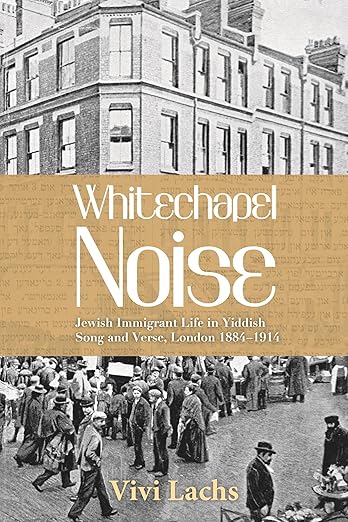
Whitechapel Noise
Jewish Immigrant Life in Yiddish Song and Verse, London 1884?1914
Wayne State University Press · Print & ebook · May 14, 2018
Archive material from the London Yiddish press, songbooks, and satirical writing offers a window into an untold cultural life of the Yiddish East End.
We earn from qualifying purchases.
- Who it’s for
- Vivi Lachs reads Yiddish songs and verse as records of immigrant life in London, 1884–1914.
- Genres
- Jewish History, Immigration & Emigration, Jewish Studies
- Published
- Wayne State University Press, May 14, 2018
Nearest books
Matched by what the books are about, then ordered by what their readers also loved.
 Jewish Religious Music in Nineteenth-century AmericaJudah M. Cohen54% matchShares Jewish History
 Song Is Not the SameJosh Kun, Bruce Zuckerman53% matchShares Jewish Studies
 The Blessing and the CurseAdam Kirsch52% matchShares Jewish History
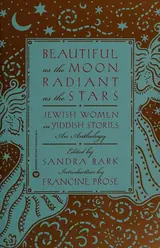 Beautiful As the Moon, Radiant As the StarsSandra Bark51% match
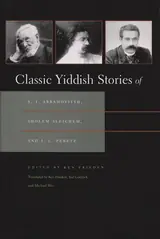 Classic Yiddish Stories of S. Y. Abramovitsh, Sholem Aleichem, and I. L. PeretzKen Frieden, Ted Gorelick51% match
For younger readers: I Like Your Chutzpah, When the Angels Left the Old Country, Rifka Takes a Bow
Start with three books, and this one can be the first.
Members get a new edition every morning: a route out from their books to essays, research and talks, with the reason for each.
Start with this bookAbout this book
Archive material from the London Yiddish press, songbooks, and satirical writing offers a window into an untold cultural life of the Yiddish East End. Whitechapel Noise: Jewish Immigrant Life in Yiddish Song and Verse, London 1884?1914 by Vivi Lachs positions London's Yiddish popular culture in historical perspective within Anglo-Jewish history, English socialist aesthetics, and music-hall culture, and shows its relationship to the transnational Yiddish-speaking world.
Continue reading
Layers of cultural references in the Yiddish texts are closely analyzed and quoted to draw out the complex yet intimate histories they contain, offering new perspectives on Anglo-Jewish historiography in three main areas: politics, sex, and religion. The acculturation of Jewish immigrants to English life is an important part of the development of their social culture, as well as to the history of London. In part one of the book, Lachs presents an overview of daily immigrant life in London, its relationship to the Anglo-Jewish establishment, and the development of a popular Yiddish theatre and press, establishing a context from which these popular texts came. The author then analyzes the poems and songs, revealing the hidden social histories of the people writing and performing them. For example, how Morris Winchevsky's London poetry shows various attempts to engage the Jewish immigrant worker in specific London activism and political debate. Lachs explores how themes of marriage, relationships, and sexual exploitation appear regularly in music-hall songs, alluding to the changing nature of sexual roles in the immigrant London community influenced by the cultural mores of their new location. On the theme of religion, Lachs examines how ideas from Jewish texts and practice were used and manipulated by the socialist poets to advance ideas about class, equality, and revolution; and satirical writings offer glimpses into how the practice of religion and growing secularization was changing immigrants' daily lives in the encounter with modernity. The detailed and nuanced analysis found in Whitechapel Noise offers a new reading of Anglo-Jewish, London, and immigrant history. It is a must-read for Jewish and Anglo-Jewish historians and those interested in Yiddish, London, and migration studies.
Yiddish London in Verse
Vivi Lachs reads Yiddish songs and verse as records of immigrant life in London, 1884–1914.
Come here for
- Yiddish poems and songs on politics, relationships, and religion
- How immigrant writers engaged with London activism and debate
Expect
- Context on daily life, theatre, press, and the Anglo-Jewish establishment
- Close readings of satire, socialist writing, and changing religious practice
Where it sits
| Jewish History | 44% |
|---|---|
| Jewish Studies | 35% |
| Immigration & Emigration | 33% |
Percentages are BookFrontier’s reading of the book.
Publisher categories
- Jewish Literary Criticism
- Jewish Music
- Immigration & Emigration
- Authors
- Vivi Lachs
- Publisher
- Wayne State University Press
- Published
- May 14, 2018
- Format
- Print & ebook
- Reading lane
- Jewish Literary Criticism