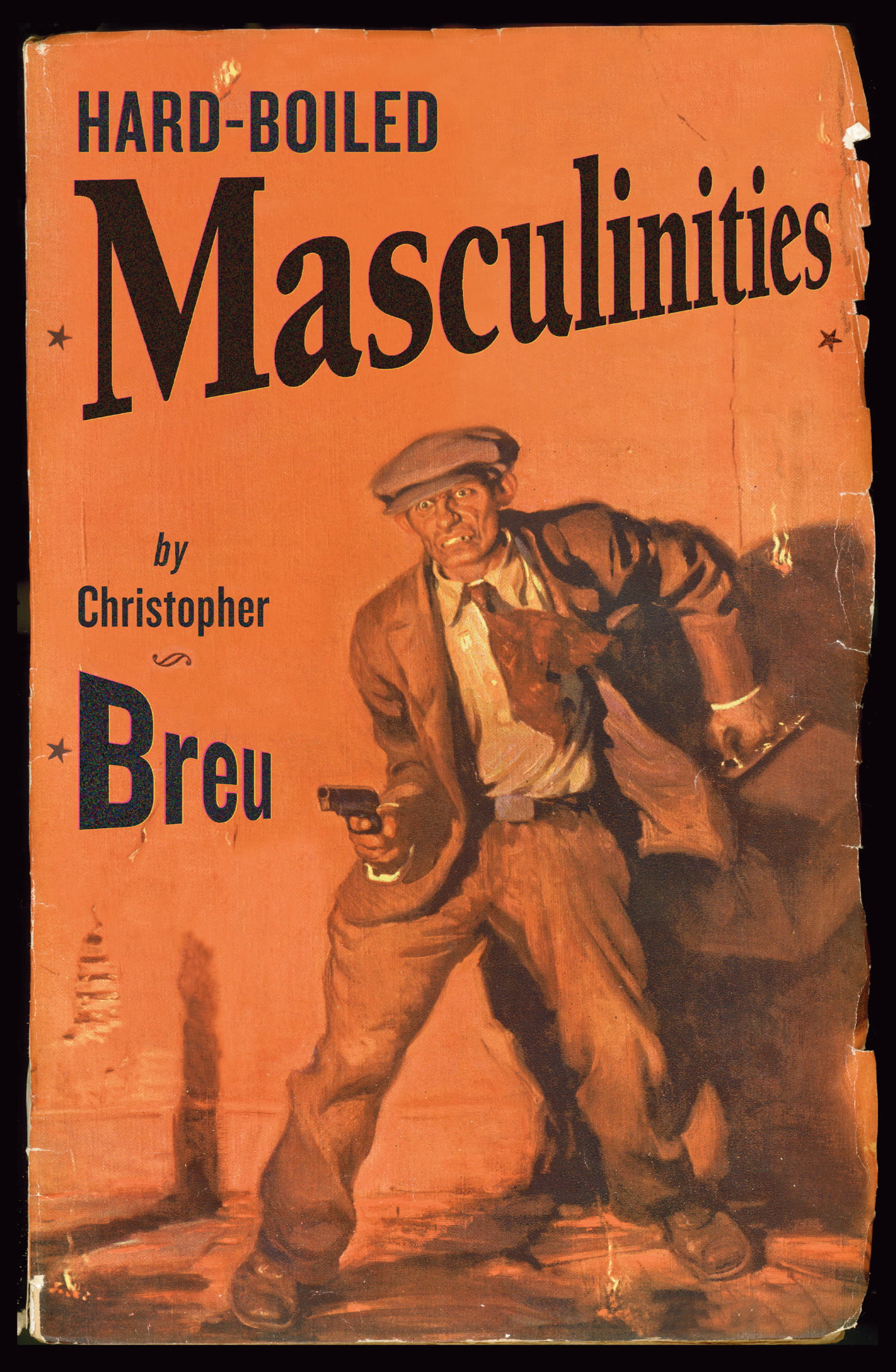
Hard-boiled Masculinities
University of Minnesota Press · Paperback · December 23, 2005
The persona of the American male in the period between the two world wars was characterized by physical strength, emotional detachment, aggressive behavior, and an amoral worldview.
We earn from qualifying purchases.
- Who it’s for
- A study of hard-boiled masculinity across pulp magazines and American literary culture.
- Themes
- Hard-boiled masculinity, Gender and racial stereotypes, Capitalism and social transformation
- Genres
- 20th-Century Literary Criticism, Mystery & Crime Crit, Gender Studies
Nearest books
Matched by what the books are about, then ordered by what their readers also loved.
 HardboiledBill ADRIAN, Bill Pronzini64% match
 Ontario BoysChristopher J. Greig53% matchShares Gender Studies
 The Emergence of the American Frontier Hero 1682-1826D. MacNeil, Denise Mary MacNeil53% match
For younger readers: Handbook for Boys, Bad Boy, A Guy's Guide to Life
Start with three books, and this one can be the first.
Members get a new edition every morning: a route out from their books to essays, research and talks, with the reason for each.
Start with this bookAbout this book
The persona of the American male in the period between the two world wars was characterized by physical strength, emotional detachment, aggressive behavior, and an amoral worldview.
Continue reading
This ideal of a hard-boiled masculinity can be seen in the pages and, even more vividly, on the covers of magazines such as Black Mask, which shifted from Victorian-influenced depictions of men in top hats and mustaches in the early 1920s to the portrayal of much more overtly violent and muscular men. Looking closely at this transformation, Christopher Breu offers a complex account of how and why hard-boiled masculinity emerged during an unsettled time of increased urbanization and tenuous peace and traces the changes in its cultural conception as it moved back and forth across the divide between high and low culture as well as the color line that bifurcated American society. Examining the work of Ernest Hemingway, Dashiell Hammett, Chester Himes, and William Faulkner, as well as many lesser-known writers for the hypermasculine pulp magazines of the 1920s and 1930s, Breu illustrates how the tough male was a product of cultural fantasy, one that shored up gender and racial stereotypes as a way of lashing out at the destabilizing effects of capitalism and social transformation. Christopher Breu is assistant professor of English at Illinois State University.
Pulp Masculinity
A study of hard-boiled masculinity across pulp magazines and American literary culture.
Come here for
- Black Mask’s changing depictions of men
- Hemingway, Hammett, Himes, Faulkner, and pulp magazine writers
Expect
- The tough male ideal moving between high and low culture
- Its role in gender and racial stereotypes amid social change
Where it sits
| 20th-Century Literary Criticism | 60% |
|---|---|
| Gender Studies | 44% |
| Mystery & Crime Crit | 36% |
Percentages are BookFrontier’s reading of the book.
Publisher categories
- Mystery & Crime Crit
- Authors
- Christopher Breu
- Publisher
- University of Minnesota Press
- Published
- December 23, 2005
- Format
- Paperback
- Theme
- Hard-boiled masculinity · Gender and racial stereotypes · Capitalism and social transformation
- Reading lane
- Mystery & Crime Crit