
Robot Ghosts and Wired Dreams
Japanese Science Fiction From Origins to Anime
University of Minnesota Press · Print & ebook · November 15, 2007
Since the end of the Second World War—and particularly over the last decade—Japanese science fiction has strongly influenced global popular culture.
We earn from qualifying purchases.
- Who it’s for
- Readers exploring Japanese science fiction from prose to anime
- Themes
- Japanese science fiction, Japan's national and political identity, Science fiction fan culture
- Genres
- SF & Fantasy Criticism, Japanese Literary Criticism, Japanese History
Nearest books
Matched by what the books are about, then ordered by what their readers also loved. Most of these share its genre: Japanese History.
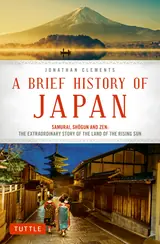 A Brief History of JapanJonathan Clements61% match
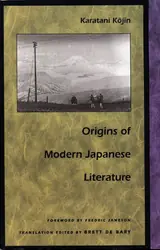 Origins of Modern Japanese LiteratureKojin Karatani59% matchAlso shares Japanese Literary Criticism
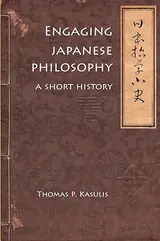 Engaging Japanese PhilosophyThomas P. Kasulis59% match
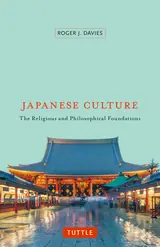 Japanese CultureRoger J. Davies59% match
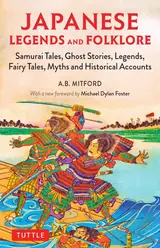 Japanese Legends and FolkloreA.B. Mitford58% match
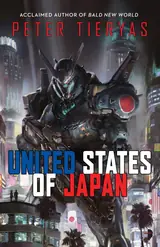 United States of JapanPeter Tieryas57% match
For younger readers: Strange Japanese Yokai, The Beginner's Guide to Manga and Anime (media Tie-in), Onibi: Diary of a Yokai Ghost Hunter
Start with three books, and this one can be the first.
Members get a new edition every morning: a route out from their books to essays, research and talks, with the reason for each.
Start with this bookAbout this book
Since the end of the Second World War—and particularly over the last decade—Japanese science fiction has strongly influenced global popular culture. Unlike American and British science fiction, its most popular examples have been visual—from Gojira (Godzilla) and Astro Boy in the 1950s and 1960s to the anime masterpieces Akira and Ghost in the Shell of the 1980s and 1990s—while little attention has been paid to a vibrant tradition of prose science fiction in Japan.
Continue reading
Robot Ghosts and Wired Dreams remedies this neglect with a rich exploration of the genre that connects prose science fiction to contemporary anime. Bringing together Western scholars and leading Japanese critics, this groundbreaking work traces the beginnings, evolution, and future direction of science fiction in Japan, its major schools and authors, cultural origins and relationship to its Western counterparts, the role of the genre in the formation of Japan’s national and political identity, and its unique fan culture. Covering a remarkable range of texts—from the 1930s fantastic detective fiction of Yumeno Kyûsaku to the cross-culturally produced and marketed film and video game franchise Final Fantasy—this book firmly establishes Japanese science fiction as a vital and exciting genre. Contributors: Hiroki Azuma; Hiroko Chiba, DePauw U; Naoki Chiba; William O. Gardner, Swarthmore College; Mari Kotani; Livia Monnet, U of Montreal; Miri Nakamura, Stanford U; Susan Napier, Tufts U; Sharalyn Orbaugh, U of British Columbia; Tamaki Saitô; Thomas Schnellbächer, Berlin Free U. Christopher Bolton is assistant professor of Japanese at Williams College. Istvan Csicsery-Ronay Jr. is professor of English at DePauw University. Takayuki Tatsumi is professor of English at Keio University.
Who it’s for
- Readers exploring Japanese science fiction from prose to anime
- Readers interested in science fiction's role in Japan's national and political identity
Where it sits
| Japanese Literary Criticism | 84% |
|---|---|
| SF & Fantasy Criticism | 78% |
| Japanese History | 44% |
Percentages are BookFrontier’s reading of the book.
Publisher categories
- SF & Fantasy Criticism
- Ethnic Studies
- Authors
- Christopher Bolton, Istvan Csicsery-Ronay, Jr., Takayuki Tatsumi
- Publisher
- University of Minnesota Press
- Published
- November 15, 2007
- Format
- Print & ebook
- Theme
- Japanese science fiction · Japan's national and political identity · Science fiction fan culture
- Reading lane
- SF & Fantasy Criticism