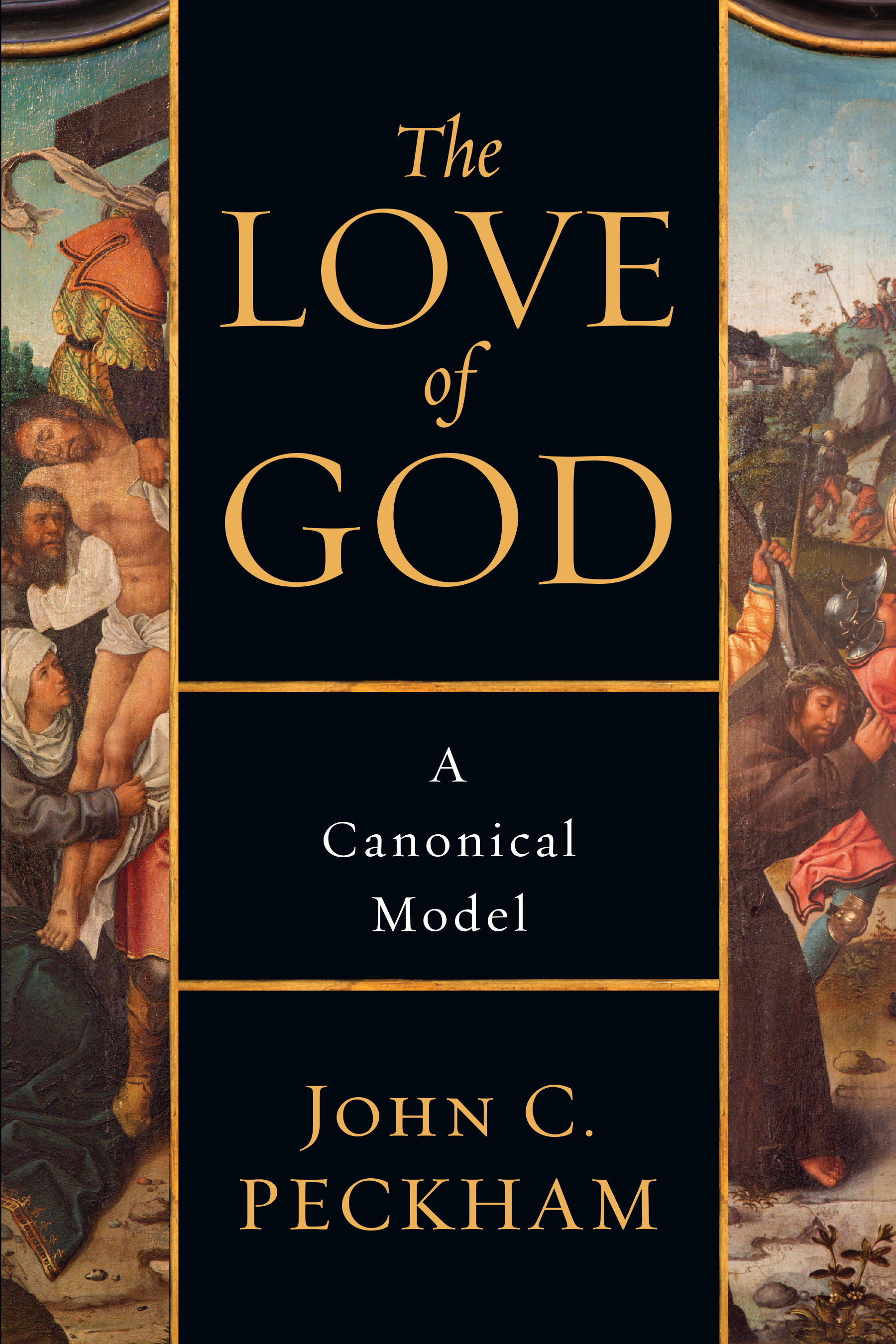
The Love of God
A Canonical Model
InterVarsity Press · Print & ebook · July 28, 2015
Readers' Choice Award Winner "For God so loved the world . . ." We believe these words, but what do they really mean?
We earn from qualifying purchases.
- Genres
- Systematic Theology, Process Theology, Soteriology
- Published
- InterVarsity Press, July 28, 2015
Nearest books
Matched by what the books are about, then ordered by what their readers also loved.
 The One Purpose of GodJan Bonda48% matchShares Soteriology
 Universal Salvation?Robin A. Parry, Christopher H. Partridge52% matchShares Soteriology
 Engaging With GodDavid G. Peterson53% match
 Four Views on Divine ProvidenceDennis Jowers, Stanley N. Gundry53% matchShares Systematic Theology
 Heaven Is a World of LoveJonathan Edwards, Sam Storms61% match
 The Love of GodOswald Chambers61% match
 The Emotions of GodDavid T. Lamb60% matchShares Systematic Theology
 Amazing GraceTimothy George56% matchShares Systematic Theology and Soteriology
For younger readers: Mostly What God Does Is Love You, God's Great Love for You, The Book of Belonging
Start with three books, and this one can be the first.
Members get a new edition every morning: a route out from their books to essays, research and talks, with the reason for each.
Start with this bookAbout this book
Readers' Choice Award Winner "For God so loved the world . . ." We believe these words, but what do they really mean? Does God choose to love, or does God love necessarily? Is God's love emotional? Does the love of God include desire or enjoyment? Is God's love conditional? Can God receive love from human beings? Attempts to answer these questions have produced sharply divided pictures of God's relationship to the world.
Continue reading
One widely held position is that of classical theism, which understands God as necessary, self-sufficient, perfect, simple, timeless, immutable and impassible. In this view, God is entirely unaffected by the world and his love is thus unconditional, unilateral and arbitrary. In the twentieth century, process theologians replaced classical theism with an understanding of God as bound up essentially with the world and dependent on it. In this view God necessarily feels all feelings and loves all others, because they are included within himself. In The Love of God, John Peckham offers a comprehensive canonical interpretation of divine love in dialogue with, and at times in contrast to, both classical and process theism. God's love, he argues, is freely willed, evaluative, emotional and reciprocal, given before but not without conditions. According to Peckham's reading of Scripture, the God who loves the world is both perfect and passible, both self-sufficient and desirous of reciprocal relationships with each person, so that "whoever believes in him shall not perish, but have eternal life."
Where it sits
| Systematic Theology | 64% |
|---|---|
| Process Theology | 29% |
| Soteriology | 25% |
Percentages are BookFrontier’s reading of the book.
Publisher categories
- Soteriology
- Theology
- Authors
- John C. Peckham
- Publisher
- InterVarsity Press
- Published
- July 28, 2015
- Format
- Print & ebook
- Reading lane
- Soteriology