
The Goodness Paradox
The Strange Relationship Between Virtue and Violence in Human Evolution
Knopf Doubleday Publishing Group · Print & ebook · December 3, 2019
“A fascinating new analysis of human violence, filled with fresh ideas and gripping evidence from our primate cousins, historical forebears, and contemporary neighbors.” —Steven Pinker, author of The Better Angels of Our Nature We Homo sapiens can be the nicest of species and also the nastiest.
We earn from qualifying purchases.
- Who it’s for
- A sharp look at how human goodness and aggression evolved together.
- Genres
- How We Evolved to Think, Primatology, Physical Anthropology
- Published
- Knopf Doubleday Publishing Group, December 3, 2019
Nearest books
Matched by what the books are about, then ordered by what their readers also loved.
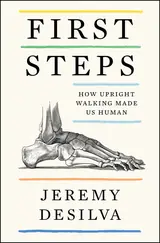 First StepsJeremy DeSilva50% matchShares Physical Anthropology
 Gods of the Upper AirCharles King48% match
 War Before CivilizationLawrence H. Keeley62% match
 KindredRebecca Wragg Sykes, Audible Studios53% matchShares Physical Anthropology
For younger readers: Unstoppable US, Volume 1: How Humans Took Over the World, How to Build a Human, Skull in the Rock, the
Start with three books, and this one can be the first.
Members get a new edition every morning: a route out from their books to essays, research and talks, with the reason for each.
Start with this bookAbout this book
“A fascinating new analysis of human violence, filled with fresh ideas and gripping evidence from our primate cousins, historical forebears, and contemporary neighbors.” —Steven Pinker, author of The Better Angels of Our Nature We Homo sapiens can be the nicest of species and also the nastiest. What occurred during human evolution to account for this paradox? What are the two kinds of aggression that primates are prone to, and why did each evolve separately?
Continue reading
How does the intensity of violence among humans compare with the aggressive behavior of other primates? How did humans domesticate themselves? And how were the acquisition of language and the practice of capital punishment determining factors in the rise of culture and civilization? Authoritative, provocative, and engaging, The Goodness Paradox offers a startlingly original theory of how, in the last 250 million years, humankind became an increasingly peaceful species in daily interactions even as its capacity for coolly planned and devastating violence remains undiminished. In tracing the evolutionary histories of reactive and proactive aggression, biological anthropologist Richard Wrangham forcefully and persuasively argues for the necessity of social tolerance and the control of savage divisiveness still haunting us today.
Virtue and Violence
A sharp look at how human goodness and aggression evolved together.
Come here for
- virtue and violence, held in the same frame
- rigorous evolutionary argument, classroom-ready
Expect
- physical anthropology with social theory
- serious, explanatory nonfiction
Where it sits
| Physical Anthropology | 40% |
|---|---|
| How We Evolved to Think | 38% |
| Primatology | 38% |
Percentages are BookFrontier’s reading of the book.
Publisher categories
- Biology
- Evolution
- Primatology
- Authors
- Richard Wrangham, Richard W. Wrangham
- Publisher
- Knopf Doubleday Publishing Group
- Published
- December 3, 2019
- Format
- Print & ebook
- Reading lane
- Biology