
Fault Lines
A History of the United States Since 1974
WW Norton · Print & ebook · November 11, 2025
Two award-winning historians explore the origins of a divided America.
We earn from qualifying purchases.
- Who it’s for
- A wide-angle history links America’s political fracture to the upheavals that reshaped life after 1974.
- Genres
- 20th-Century America, Conservatism & Liberalism, Civil Rights
- Published
- WW Norton, November 11, 2025
Nearest books
Matched by what the books are about, then ordered by what their readers also loved. Most of these share its genre: 20th-Century America.
 Myth AmericaKevin M. Kruse, Julian E. Zelizer64% match
 Parting the WatersTaylor Branch56% match
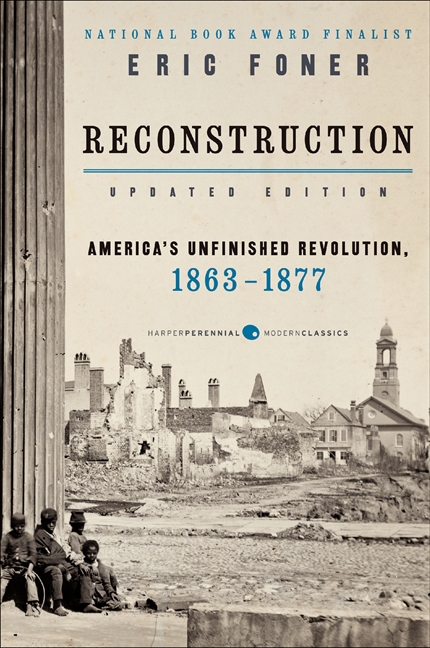 Reconstruction Updated EditionEric Foner57% match
 Playing With FireLawrence O'Donnell59% match
 Stony the RoadHenry Louis Gates Jr.54% match
For younger readers: Fault Lines in the Constitution, America Redux: Visual Stories From Our Dynamic History, A Young People's History of the United States, Volume 2
Start with three books, and this one can be the first.
Members get a new edition every morning: a route out from their books to essays, research and talks, with the reason for each.
Start with this bookAbout this book
Two award-winning historians explore the origins of a divided America. If you were asked when America became polarized, your answer would likely depend on your age: you might say during Barack Obama’s presidency, or with the post-9/11 war on terror, or the culture wars of the 1980s and 1990s, or the “Reagan Revolution” and the the rise of the New Right. For leading historians Kevin M. Kruse and Julian E. Zelizer, it all starts in 1974.
Continue reading
In that one year, the nation was rocked by one major event after another: The Watergate crisis and the departure of President Richard Nixon, the first and only U.S. President to resign; the winding down of the Vietnam War and rising doubts about America’s military might; the fallout from the OPEC oil embargo that paralyzed America with the greatest energy crisis in its history; and the desegregation busing riots in South Boston that showed a horrified nation that our efforts to end institutional racism were failing. In the years that followed, the story of our own lifetimes would be written. Longstanding historical fault lines over income inequality, racial division, and a revolution in gender roles and sexual norms would deepen and fuel a polarized political landscape. In Fault Lines, Kruse and Zelizer reveal how the divisions of the present day began almost five decades ago, and how they were widened thanks to profound changes in our political system as well as a fracturing media landscape that was repeatedly transformed with the rise of cable TV, the internet, and social media. How did the United States become so divided? Fault Lines offers a richly told, wide-angle history view toward an answer.
Tracing the Divide
A wide-angle history links America’s political fracture to the upheavals that reshaped life after 1974.
Come here for
- A historical lens on polarization, from Watergate to a fracturing media landscape
- Connections between political division, race, inequality, and changing social norms
Expect
- A broad account of fault lines deepening across decades
- Politics and social change considered as intertwined history
Where it sits
| 20th-Century America | 72% |
|---|---|
| Civil Rights | 24% |
| Conservatism & Liberalism | 22% |
Percentages are BookFrontier’s reading of the book.
Publisher categories
- 20th-Century America
- 21st-Century America
- How Media Works
- Authors
- Kevin M. Kruse, Julian E. Zelizer, Fajer Al-Kaisi
- Publisher
- WW Norton
- Published
- November 11, 2025
- Format
- Print & ebook
- Reading lane
- 20th-Century America