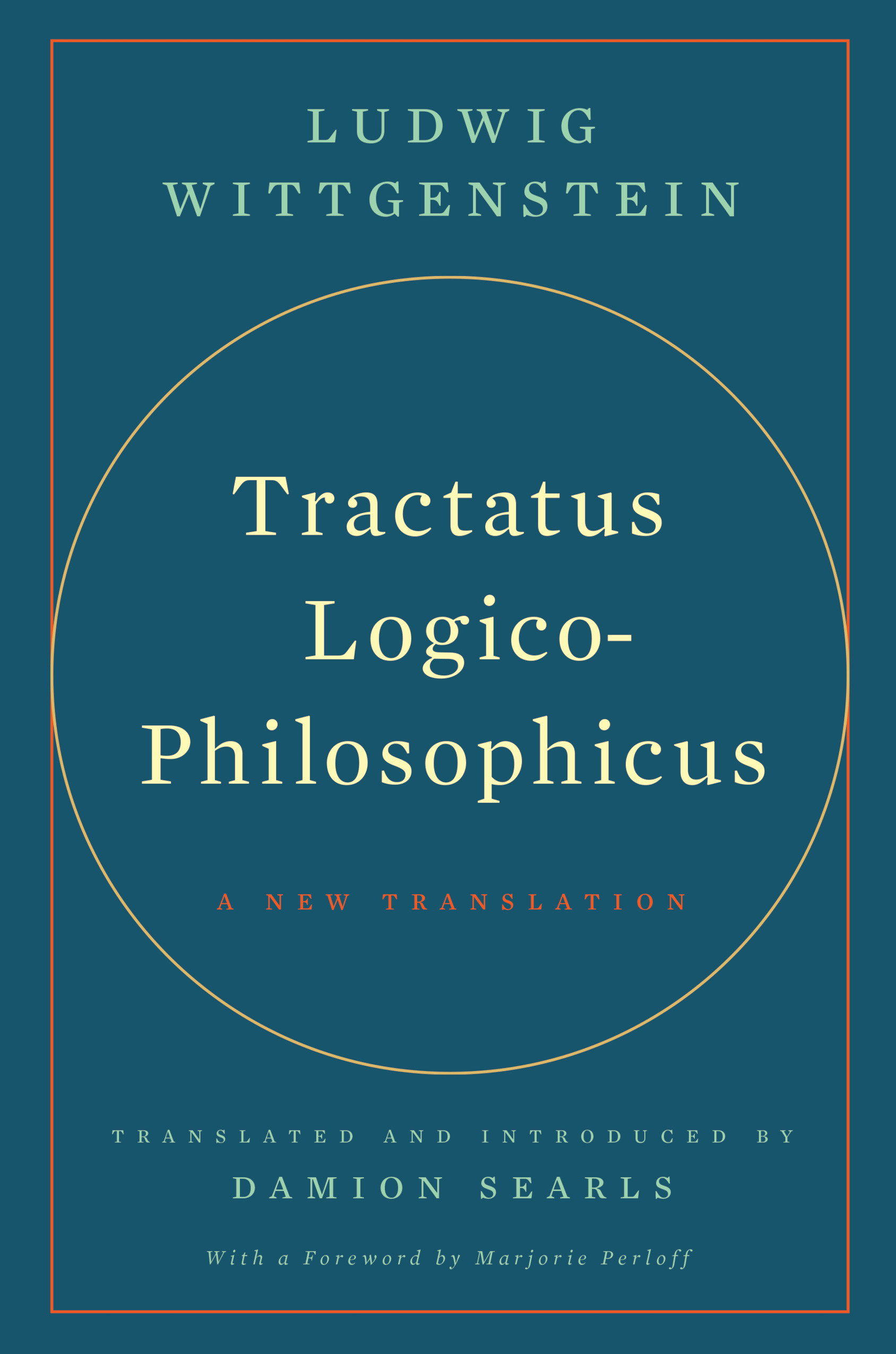
Tractatus Logico-philosophicus
A New Translation
WW Norton · Print & ebook · February 20, 2024
More than a century after its composition, Tractatus Logico-Philosophicus—Wittgenstein’s first masterwork, and the only book he published during his lifetime—endures as the definitive modern text on what logic can and cannot do.
We earn from qualifying purchases.
- Who it’s for
- A clearer translation opens a famously enigmatic work without pretending its questions are easy.
- Themes
- Logic and its limits, Philosophy of language
- Genres
- Logic, Philosophy of Language, Semantics
Nearest books
Matched by what the books are about, then ordered by what their readers also loved.
 IlluminationsWalter Benjamin48% match
 The Republic of PlatoAllan Bloom, Adam Kirsch56% match
 After NatureW.G. Sebald46% match
 A Theologico Political TreatiseBaruch Spinoza44% match
 The PrinceNiccolo Machiavelli, Coralie Bickford-Smith45% match
 Principles of PhilosophyRené Descartes49% match
 History of Western PhilosophyBertrand Russell55% match
 On CertaintyLudwig Wittgenstein, G. E. M. Anscombe67% matchShares Philosophy of Language
For younger readers: Ludwig and the Rhinoceros
Start with three books, and this one can be the first.
Members get a new edition every morning: a route out from their books to essays, research and talks, with the reason for each.
Start with this bookAbout this book
More than a century after its composition, Tractatus Logico-Philosophicus—Wittgenstein’s first masterwork, and the only book he published during his lifetime—endures as the definitive modern text on what logic can and cannot do. Since its first English-language publication in 1922, this profoundly enigmatic work has inspired philosophers and non-philosophers alike.
Continue reading
Consisting of 525 hierarchically numbered statements, each one “self-evident,” Tractatus Logico-Philosophicus is imbued, as translator Damion Searls writes, with the kind of cryptic grandeur and awe-inspiring opacity we might expect—might want—from such an iconic philosopher. Yet earlier translations, in their efforts to excessively copy German phrasing and syntax, range from stilted, even redolently Victorian, to downright impenetrable. With this new translation and insightful introduction on the language of the book, Searls finally does justice to Wittgenstein’s masterpiece, capturing the fluid and forceful prose of the original without sacrificing any of its philosophical rigor. Indeed, in freeing the translation from the grip of the German language—revisiting, especially, the nouns and impersonal verbs that don’t convey in English the precision and intensity of the German—Searls renders Wittgenstein’s philosophy clearer and more accessible than ever before. Featuring a preface by eminent Wittgenstein scholar Marjorie Perloff, this bilingual, facing-page edition promises to become the standard for generations to come.
Precision and Mystery
A clearer translation opens a famously enigmatic work without pretending its questions are easy.
Come here for
- A fresh English rendering that loosens German syntax without easing philosophical rigor.
- A close encounter with Wittgenstein’s ideas about what logic can and cannot do.
Expect
- 525 hierarchically numbered statements beside the German original.
- Lucid prose, layered argument, and some enduring opacity.
Where it sits
| Logic | 96% |
|---|---|
| Philosophy of Language | 63% |
| Semantics | 48% |
Percentages are BookFrontier’s reading of the book.
Publisher categories
- German Literary Criticism
- What We Can Know
- Logic
- Authors
- Ludwig Wittgenstein
- Publisher
- WW Norton
- Published
- February 20, 2024
- Format
- Print & ebook
- Theme
- Logic and its limits · Philosophy of language
- Reading lane
- German Literary Criticism