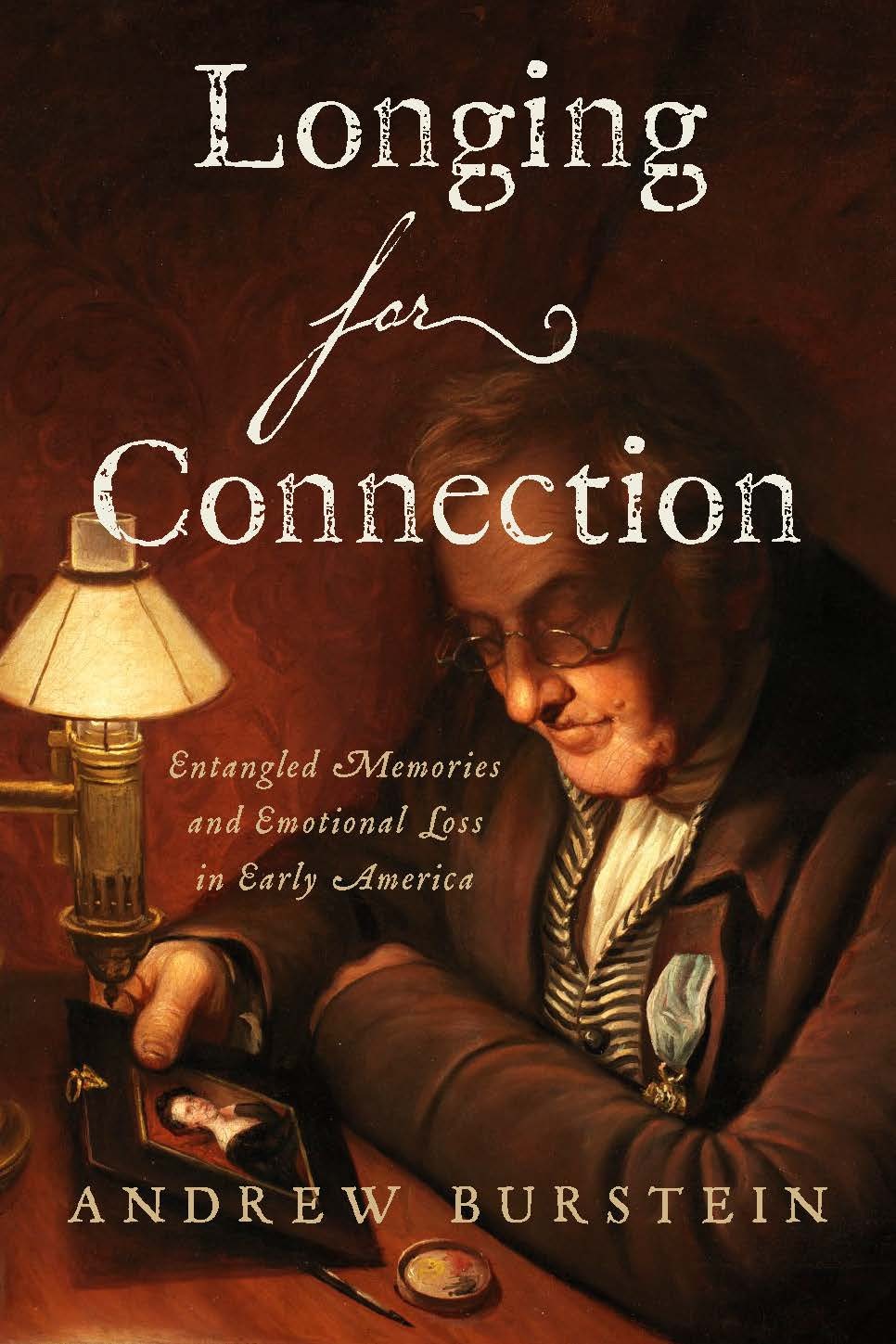
Longing for Connection
Entangled Memories and Emotional Loss in Early America
Johns Hopkins University Press · Print & ebook · April 23, 2024
Untangling the private feelings, ambitions, and fears of early Americans through their personal writings from the Revolution to the Civil War.
We earn from qualifying purchases.
- Who it’s for
- Personal writings trace how early Americans expressed feeling and sought connection across a changing nation.
- Genres
- U.S. History, Social History, 19th-Century America
- Published
- Johns Hopkins University Press, April 23, 2024
Nearest books
Matched by what the books are about, then ordered by what their readers also loved.
 American VisionsEdward L. Ayers68% matchShares 19th-Century America
 The American RevolutionGordon S. Wood62% match
 Looking for the Good WarElizabeth D Samet62% match
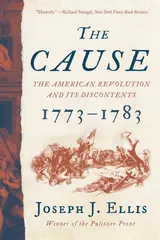 The CauseJoseph J. Ellis Ph.D., Joseph J. Ellis62% match
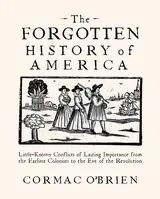 The Forgotten History of AmericaCormac O'Brien61% match
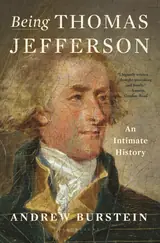 Being Thomas JeffersonAndrew Burstein60% match
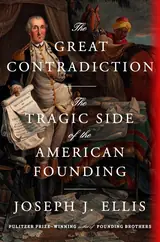 The Great ContradictionJoseph J. Ellis60% match
Start with three books, and this one can be the first.
Members get a new edition every morning: a route out from their books to essays, research and talks, with the reason for each.
Start with this bookAbout this book
Untangling the private feelings, ambitions, and fears of early Americans through their personal writings from the Revolution to the Civil War. Modern readers of history and biography unite around a seemingly straightforward question: What did it feel like to live in the past? In Longing for Connection, historian Andrew Burstein attempts to answer this question with a vigorous, nuanced emotional history of the United States from its founding to the Civil War.
Continue reading
Through an examination of the letters, diaries, and other personal texts of the time, along with popular poetry and novels, Burstein shows us how early Americans expressed deep emotions through shared metaphors and borrowed verse in their longing for meaning and connection. He reveals how literate, educated Americans—both well-known and more obscure—expressed their feelings to each other and made attempts at humor, navigating an anxious world in which connection across spaces was difficult to capture. In studying the power of poetry and literature as expressions of inner life, Burstein conveys the tastes of early Americans and illustrates how emotions worked to fashion myths of epic heroes, such as the martyr Nathan Hale, George Washington, and Abraham Lincoln. He also studies the public's fears of ocean travel, their racial blind spots, and their remarkable facility for political satire. Burstein questions why we seek a connection to the past and its emotions in the first place. America, he argues, is shaped by a persistent belief that the past is reachable and that its lessons remain intact, which represents a major obstacle in any effort to understand our national history. Burstein shows, finally, that modern readers exhibit a similar capacity for rationalization and that dire longing for connection across time and space as the people he studies.
Early American Feelings
Personal writings trace how early Americans expressed feeling and sought connection across a changing nation.
Come here for
- Letters, diaries, poetry, and novels as windows into early Americans’ inner lives
- Political satire, ocean-travel fears, and racial blind spots
Expect
- Emotional history from the Revolution to the Civil War
- Attention to shared metaphors, borrowed verse, and public fears
Where it sits
| U.S. History | 37% |
|---|---|
| Social History | 30% |
| 19th-Century America | 26% |
Percentages are BookFrontier’s reading of the book.
Publisher categories
- Colonial America (to 1775)
- 18th Century Literature
- American Studies
- Authors
- Andrew Burstein
- Publisher
- Johns Hopkins University Press
- Published
- April 23, 2024
- Format
- Print & ebook
- Reading lane
- Colonial America (to 1775)