
Electronic Properties of Materials
Fourth Edition 2011
Springer/Sci-Tech/Trade · Print & ebook · June 23, 2011
This text on the electrical, optical, magnetic, and thermal properties of materials stresses concepts rather than mathematical formalism.
We earn from qualifying purchases.
- Who it’s for
- Electron theory fundamentals lead into independently readable applications across materials and electronic devices.
- Themes
- Material properties, Electron theory fundamentals, Modern electronics applications
- Genres
- Electronic Materials, Semiconductors, Condensed Matter Physics
Nearest books
Matched by what the books are about, then ordered by what their readers also loved.
 Solid-state PhysicsHarald Ibach71% matchShares Semiconductors and Condensed Matter Physics
 Physical ElectrochemistryNoam Eliaz, Eliezer Gileadi65% match
 Fundamentals of MicroelectronicsBehzad Razavi64% matchShares Semiconductors
 Electronic Properties of Engineering MaterialsJames D. Livingston64% matchShares Electronic Materials and Semiconductors
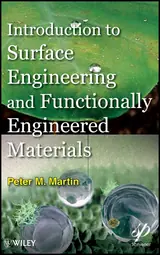 Introduction to Surface Engineering and Functionally Engineered MaterialsPeter Martin64% matchShares Electronic Materials and Condensed Matter Physics
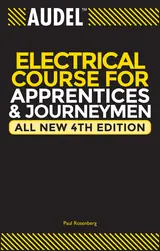 Audel Electrical Course for Apprentices and JourneymenPaul Rosenberg64% match
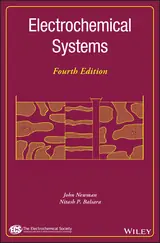 Electrochemical SystemsJohn Newman, Nitash P. Balsara63% match
 Introduction to Semiconductor Materials and DevicesM. S. Tyagi63% matchShares Electronic Materials and Semiconductors
Start with three books, and this one can be the first.
Members get a new edition every morning: a route out from their books to essays, research and talks, with the reason for each.
Start with this bookAbout this book
This text on the electrical, optical, magnetic, and thermal properties of materials stresses concepts rather than mathematical formalism. Suitable for advanced undergraduates, it is intended for materials and electrical engineers who want to gain a fundamental understanding of alloys, semiconductor devices, lasers, magnetic materials, and so forth.
Continue reading
The book is organized to be used in a one-semester course; to that end each section of applications, after the introduction to the fundamentals of electron theory, can be read independently of the others. Many examples from engineering practice serve to provide an understanding of common devices and methods. Among the modern applications covered are: high-temperature superconductors, optoelectronic materials, semiconductor device fabrication, xerography, magneto-optic memories, and amorphous ferromagnetics. The fourth edition has been revised and updated with an emphasis on the applications sections, which now cover devices of the next generation of electronics.
Materials Properties
Electron theory fundamentals lead into independently readable applications across materials and electronic devices.
Come here for
- Concept-focused treatment of electrical, optical, magnetic, and thermal properties
- Applications including superconductors, xerography, and magneto-optic memories
Expect
- Engineering examples that clarify common devices and methods
- A fourth edition updated in its applications sections
Where it sits
| Electronic Materials | 93% |
|---|---|
| Semiconductors | 48% |
| Condensed Matter Physics | 38% |
Percentages are BookFrontier’s reading of the book.
Publisher categories
- Earth Science
- Physics
- Industrial Engineering
- Authors
- Rolf E. Hummel
- Publisher
- Springer/Sci-Tech/Trade
- Published
- June 23, 2011
- Format
- Print & ebook
- Theme
- Material properties · Electron theory fundamentals · Modern electronics applications
- Reading lane
- Earth Science