
Jah Kingdom
Rastafarians, Tanzania, and Pan-africanism in the Age of Decolonization
The University of North Carolina Press · Print & ebook · October 9, 2017
From its beginnings in 1930s Jamaica, the Rastafarian movement has become a global presence.
We earn from qualifying purchases.
- Genres
- East African History, Colonialism & Its Aftermath, Caribbean History
- Published
- The University of North Carolina Press, October 9, 2017
Nearest books
Matched by what the books are about, then ordered by what their readers also loved.
 Black Marxism, Revised and Updated Third EditionCedric J. Robinson, Robin D.G. Kelley - foreword48% match
 RastafariBarry Chevannes68% matchShares Caribbean History
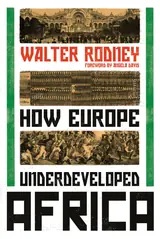 How Europe Underdeveloped AfricaWalter Rodney, Angela Davis54% matchShares Colonialism & Its Aftermath
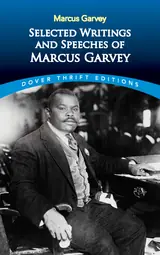 Selected Writings and Speeches of Marcus GarveyMarcus Garvey, Bob Blaisdell53% match
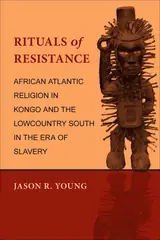 Rituals of ResistanceJason R. Young51% match
 Fierce Medicines, Fragile SocialitiesDominik Mattes49% match
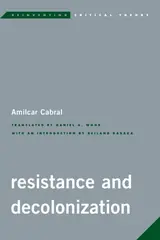 Resistance and DecolonizationAmilcar Cabral, Amílcar Cabral48% matchShares Colonialism & Its Aftermath
For younger readers: Who Was Bob Marley?, Ajeemah and His Son, A Pride of African Tales
Start with three books, and this one can be the first.
Members get a new edition every morning: a route out from their books to essays, research and talks, with the reason for each.
Start with this bookAbout this book
From its beginnings in 1930s Jamaica, the Rastafarian movement has become a global presence. While the existing studies of the Rastafarian movement have primarily focused on its cultural expression through reggae music, art, and iconography, Monique A. Bedasse argues that repatriation to Africa represents the most important vehicle of Rastafari’s international growth.
Continue reading
Shifting the scholarship on repatriation from Ethiopia to Tanzania, Bedasse foregrounds Rastafari’s enduring connection to black radical politics and establishes Tanzania as a critical site to explore gender, religion, race, citizenship, socialism, and nation. Beyond her engagement with how the Rastafarian idea of Africa translated into a lived reality, she demonstrates how Tanzanian state and nonstate actors not only validated the Rastafarian idea of diaspora but were also crucial to defining the parameters of Pan-Africanism. Based on previously undiscovered oral and written sources from Tanzania, Jamaica, England, the United States, and Trinidad, Bedasse uncovers a vast and varied transnational network — including Julius Nyerere, Michael Manley, and C. L. R James — revealing Rastafari’s entrenchment in the making of Pan-Africanism in the postindependence period.
Where it sits
| East African History | 29% |
|---|---|
| Colonialism & Its Aftermath | 25% |
| Caribbean History | 21% |
Percentages are BookFrontier’s reading of the book.
Publisher categories
- East African History
- Caribbean History
- African American Studies
- Authors
- Monique A. Bedasse, Monique Bedasse
- Publisher
- The University of North Carolina Press
- Published
- October 9, 2017
- Format
- Print & ebook
- Reading lane
- East African History