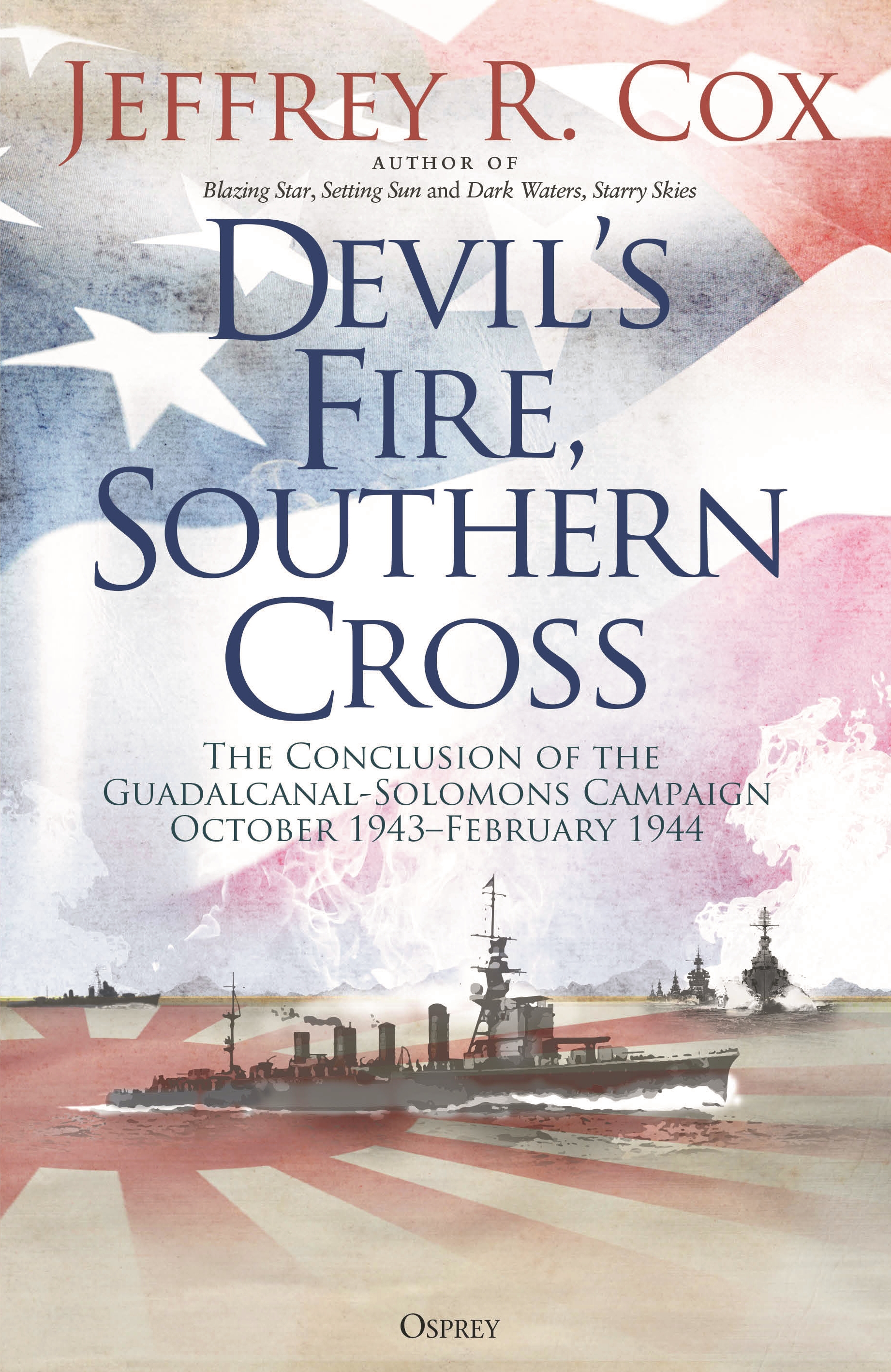
Devil's Fire, Southern Cross
The Conclusion of the Guadalcanal-solomons Campaign, October 1943-february 1944
Osprey · Print & ebook · November 18, 2025
A fast-paced and absorbing read of the final months of the crucial Guadalcanal-Solomons campaign during the Pacific War by esteemed World War II historian Jeffrey Cox.
We earn from qualifying purchases.
- Who it’s for
- A history of the campaign’s closing months, tracing intelligence breakthroughs and US naval doctrine.
- Genres
- WWII Pacific Theater, Naval History, Military Strategy
- Published
- Osprey, November 18, 2025
Nearest books
Matched by what the books are about, then ordered by what their readers also loved. Most of these share its genre: WWII Pacific Theater.
 Neptune's InfernoJames D. Hornfischer77% matchAlso shares Naval History
 Twilight of the GodsIan Toll, P.J. Ochlan70% matchAlso shares Naval History
 The Fleet at Flood TidePete Larkin, James D. Hornfischer68% matchAlso shares Naval History
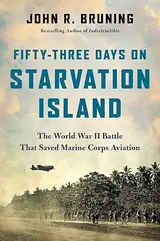 Fifty-three Days on Starvation IslandJohn R Bruning68% match
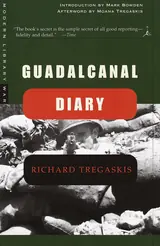 Guadalcanal DiaryRichard Tregaskis67% match
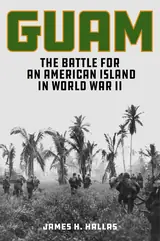 GuamJames H. Hallas67% match
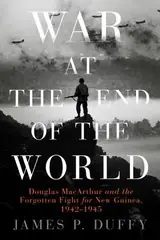 War at the End of the WorldJames P. Duffy, Joe Barrett66% match
 The Fall of JapanWilliam J. Craig, William Craig66% match
For younger readers: World War Two: Against the Rising Sun, Who Were the Navajo Code Talkers?, Left for Dead
Start with three books, and this one can be the first.
Members get a new edition every morning: a route out from their books to essays, research and talks, with the reason for each.
Start with this bookAbout this book
A fast-paced and absorbing read of the final months of the crucial Guadalcanal-Solomons campaign during the Pacific War by esteemed World War II historian Jeffrey Cox. This page-turning history examines the closing months of the vital campaign which ultimately determined the successful conclusion of the Pacific War for the Allies. But it had not been a smooth process.
Continue reading
The campaign continued in fits and starts with both the US Navy and the Imperial Japanese Navy making crucial errors. But as the pendulum of war swung, there was one distinct advantage to the Allies. This was the successful efforts by the United States Army Signals Intelligence Section and the Navy Communication Special Unit to monitor, intercept, decode and translate Japanese messages. It was thanks in part to this intelligence breakthrough that victory was secured at the Battles of Empress Augusta Bay and Cape St. George as well as the bitterly contested Bougainville invasion. But it was also due to improvements in strategic and tactical doctrine on the part of the US Navy, so much so that the Battle of Cape St. George was dubbed the almost textbook-perfect battle. At the start of the Guadalcanal-Solomons Campaign the US Navy was the underdog. By its conclusion, US naval commanders had come of age. Combining first-rate scholarly research with a novelist's flair for the dramatic, Jeff Cox concludes his brilliant quartet on this key campaign.
Solomons Campaign
A history of the campaign’s closing months, tracing intelligence breakthroughs and US naval doctrine.
Come here for
- The US Army and Navy’s work monitoring Japanese messages
- Changes in US naval doctrine
Expect
- The Battles of Empress Augusta Bay and Cape St. George
- The Bougainville invasion
Where it sits
| WWII Pacific Theater | 99% |
|---|---|
| Naval History | 88% |
| Military Strategy | 30% |
Percentages are BookFrontier’s reading of the book.
Publisher categories
- World War II History
- Naval History
- WWII Pacific Theater
- Authors
- Jeffrey Cox, John Chancer, Osprey Publishing
- Publisher
- Osprey
- Published
- November 18, 2025
- Format
- Print & ebook
- Reading lane
- World War II History