
The Burger Court and the Rise of the Judicial Right
Simon & Schuster · Print & ebook · June 6, 2017
A History pick for readers exploring The Burger Court and the Rise of the Judicial Right.
We earn from qualifying purchases.
- Who it’s for
- A pointed legal history reconsiders the Burger Court’s conservatism and its imprint on constitutional life today.
- Themes
- Burger Court conservatism, Criminal law, race, and corporate power, Supreme Court decisions' lasting legacy
- Genres
- Legal History, Courts & the Judiciary, Constitutional Law
Nearest books
Matched by what the books are about, then ordered by what their readers also loved. Most of these share its genre: Courts & the Judiciary.
 Rage and the RepublicJonathan Turley45% match
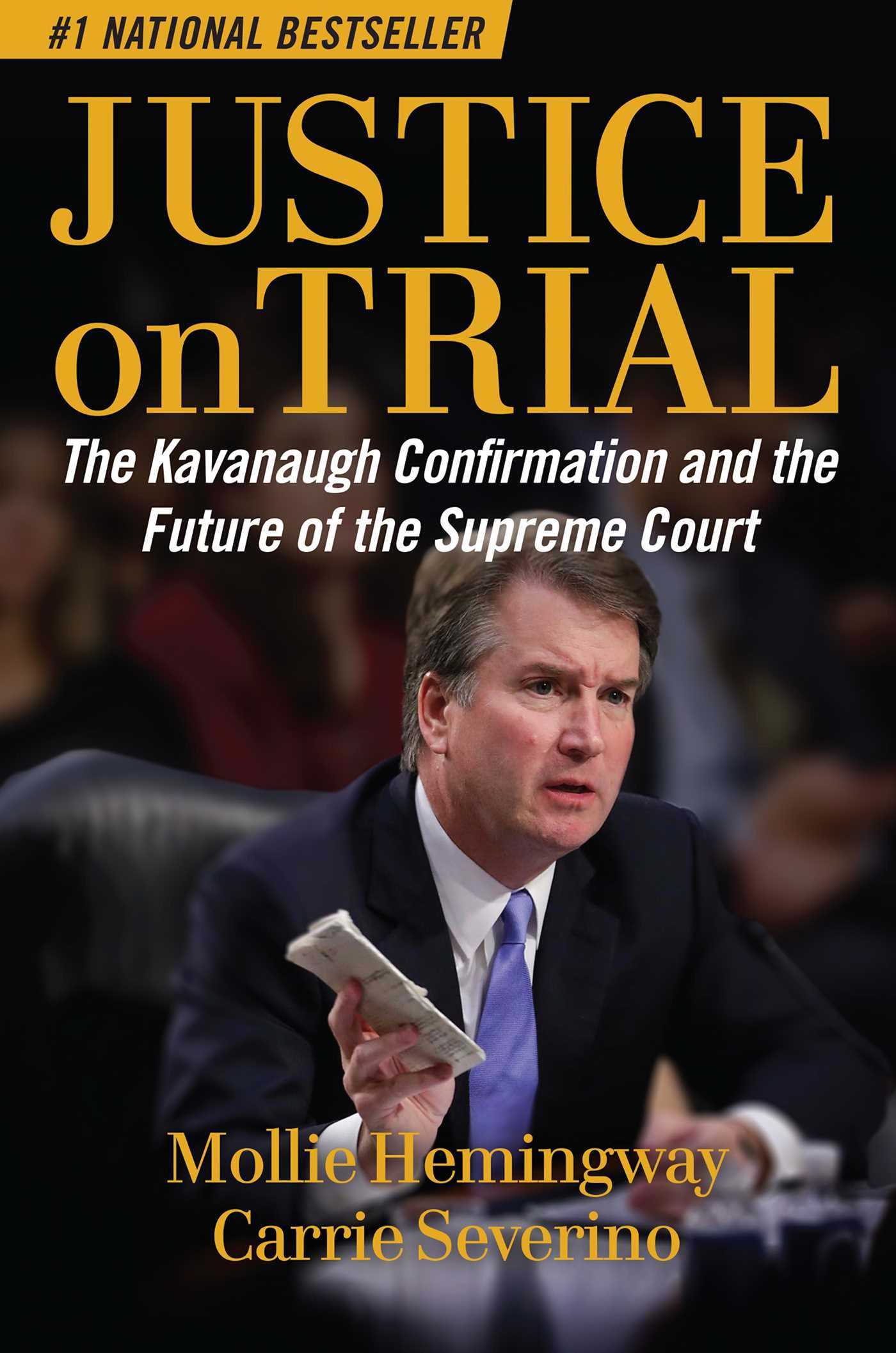 Justice on TrialMollie Hemingway, Carrie Severino63% match
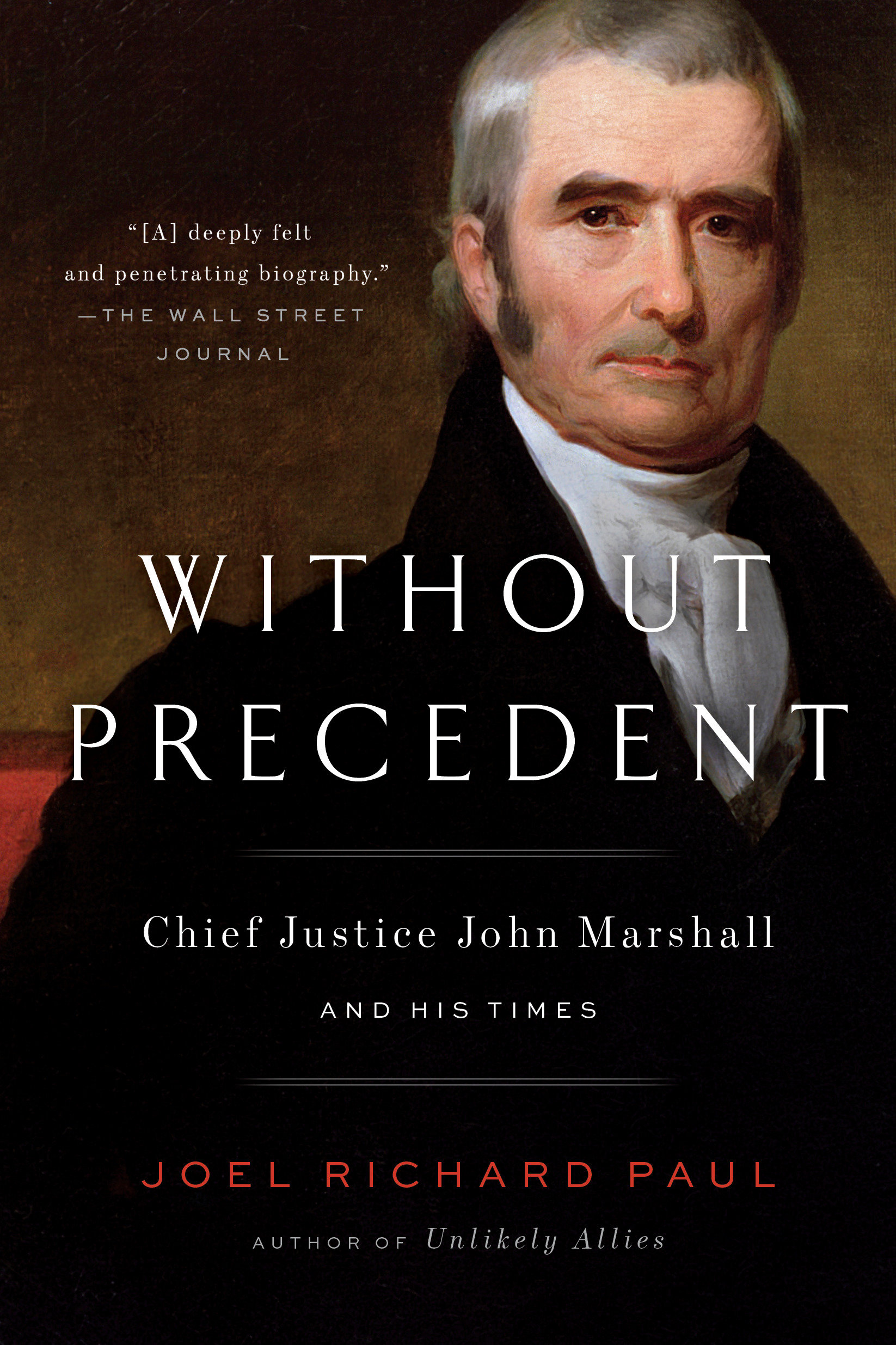 Without PrecedentJoel Richard Paul, Fred Sanders54% match
 The OathJeffrey Toobin56% matchAlso shares Constitutional Law
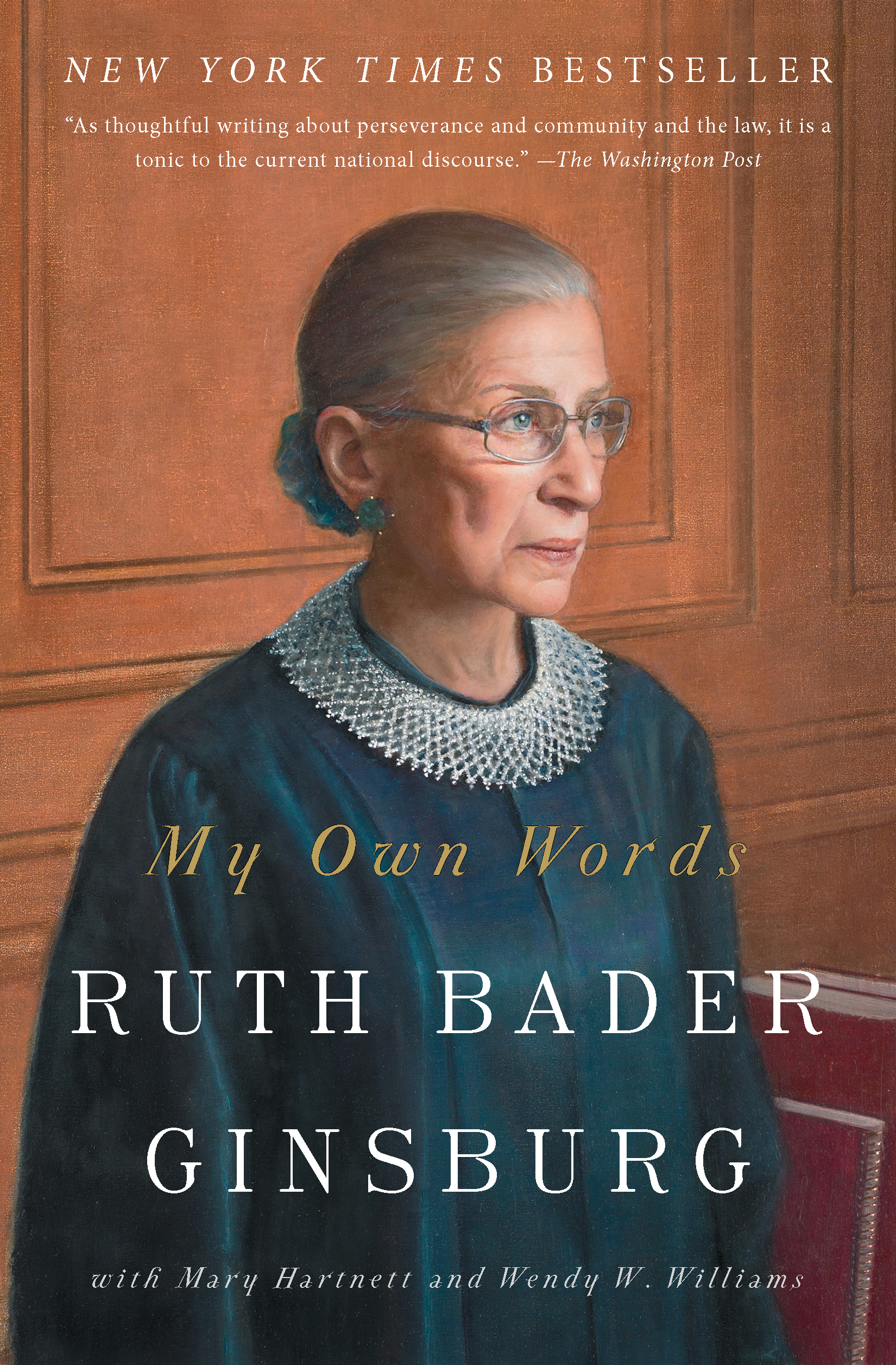 My Own WordsRuth Bader Ginsburg, Mary Hartnett49% match
For younger readers: Becoming RBG, Truth, Lies, and the Questions in Between, My Little Golden Book About Ruth Bader Ginsburg
Start with three books, and this one can be the first.
Members get a new edition every morning: a route out from their books to essays, research and talks, with the reason for each.
Start with this bookAbout this book
A revelatory look at the Warren Burger Supreme Court finds that it was not moderate or transitional, but conservative—and it shaped today’s constitutional landscape. It is an “important book…a powerful corrective to the standard narrative of the Burger Court” (The New York Times Book Review). When Richard Nixon campaigned for the presidency in 1968 he promised to change the Supreme Court.
Continue reading
With four appointments to the court, including Warren E. Burger as the chief justice, he did just that. In 1969, the Burger Court succeeded the famously liberal Warren Court, which had significantly expanded civil liberties and was despised by conservatives across the country. The Burger Court is often described as a “transitional” court between the Warren Court and the Rehnquist and Roberts Courts, a court where little of importance happened. But as this “landmark new book” (The Christian Science Monitor) shows, the Burger Court veered well to the right in such areas as criminal law, race, and corporate power. Authors Graetz and Greenhouse excavate the roots of the most significant Burger Court decisions and in “elegant, illuminating arguments” (The Washington Post) show how their legacy affects us today. “Timely and engaging” (Richmond Times-Dispatch), The Burger Court and the Rise of the Judicial Right draws on the personal papers of the justices as well as other archives to provide “the best kind of legal history: cogent, relevant, and timely” (Publishers Weekly).
The Court’s Afterlife
A pointed legal history reconsiders the Burger Court’s conservatism and its imprint on constitutional life today.
Come here for
- A challenge to the “transitional court” story
- Connections among rulings on race, criminal law, and corporate power
Expect
- A close look at how landmark decisions shaped today’s constitutional landscape
Where it sits
| Legal History | 54% |
|---|---|
| Constitutional Law | 48% |
| Courts & the Judiciary | 47% |
Percentages are BookFrontier’s reading of the book.
Publisher categories
- 20th-Century America
- 21st-Century America
- Legal History
- Authors
- Michael J. Graetz, Linda Greenhouse
- Publisher
- Simon & Schuster
- Published
- June 6, 2017
- Format
- Print & ebook
- Theme
- Burger Court conservatism · Criminal law, race, and corporate power · Supreme Court decisions' lasting legacy
- Reading lane
- 20th-Century America