
Camp TV
Trans Gender Queer Sitcom History
Duke University Press · Print & ebook · May 6, 2019
Sitcoms of the 1950s and 1960s are widely considered conformist in their depictions of gender roles and sexual attitudes.
We earn from qualifying purchases.
- Who it’s for
- Quinlan Miller traces how midcentury sitcoms made room for camp, queer representation, and gender nonconformity.
- Themes
- Camp aesthetics in sitcoms, Queer representation, Gender nonconformity
- Genres
- Queer Literary Criticism, Television History & Criticism, Gay Studies
Nearest books
Matched by what the books are about, then ordered by what their readers also loved.
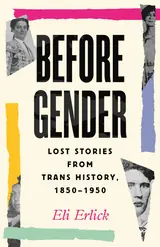 Before GenderEli Erlick51% match
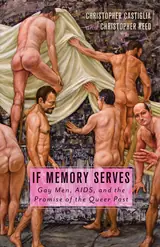 If Memory ServesChristopher Castiglia, Christopher Reed51% matchShares Queer Literary Criticism and Gay Studies
 A Queer History of the United States for Young PeopleMichael Bronski50% match
 Queer StudiesBrett Beemyn, Michele Eliason49% match
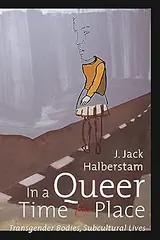 In a Queer Time and PlaceJ. Jack Halberstam48% match
For younger readers: Queer, There, and Everywhere: 2nd Edition, Queer Ducks (and Other Animals), Trans History: a Graphic Novel: From Ancient Times to the Present Day
Start with three books, and this one can be the first.
Members get a new edition every morning: a route out from their books to essays, research and talks, with the reason for each.
Start with this bookAbout this book
Sitcoms of the 1950s and 1960s are widely considered conformist in their depictions of gender roles and sexual attitudes. In Camp TV Quinlan Miller offers a new account of the history of American television that explains what campy meant in practical sitcom terms in shows as iconic as The Dick Van Dyke Show as well as in more obscure fare, such as The Ugliest Girl in Town.
Continue reading
Situating his analysis within the era's shifts in the television industry and the coalescence of straightness and whiteness that came with the decline of vaudevillian camp, Miller shows how the sitcoms of this era overflowed with important queer representation and gender nonconformity. Whether through regular supporting performances (Ann B. Davis's Schultzy in The Bob Cummings Show), guest appearances by Paul Lynde and Charles Nelson Reilly, or scripted dialogue and situations, industry processes of casting and production routinely esteemed a camp aesthetic that renders all gender expression queer. By charting this unexpected history, Miller offers new ways of exploring how supposedly repressive popular media incubated queer, genderqueer, and transgender representations.
Camp in Sitcoms
Quinlan Miller traces how midcentury sitcoms made room for camp, queer representation, and gender nonconformity.
Come here for
- Camp in sitcom terms, from iconic shows to obscure fare
- Casting, guest appearances, dialogue, and situations
Expect
- An account set within television’s shifting industry
- Examples including The Dick Van Dyke Show and The Ugliest Girl in Town
Where it sits
| Television History & Criticism | 85% |
|---|---|
| Queer Literary Criticism | 42% |
| Gay Studies | 19% |
Percentages are BookFrontier’s reading of the book.
Publisher categories
- Television History & Criticism
- Gender Studies
- Transgender Studies
- Authors
- Quinlan Miller
- Publisher
- Duke University Press
- Published
- May 6, 2019
- Format
- Print & ebook
- Theme
- Camp aesthetics in sitcoms · Queer representation · Gender nonconformity
- Reading lane
- Television History & Criticism