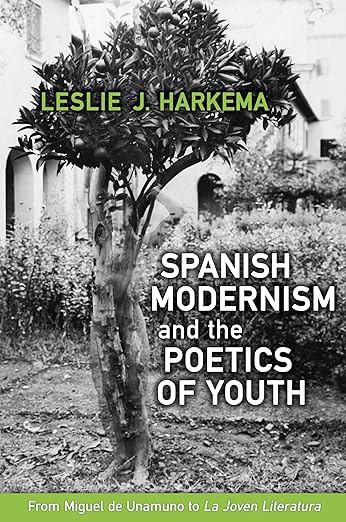
Spanish Modernism and the Poetics of Youth
From Miguel De Unamuno to 'la Joven Literatura'
University of Toronto Press · Print & ebook · November 6, 2017
In Spanish Modernism and the Poetics of Youth: From Miguel de Unamuno to La Joven Literatura, Leslie J. Harkema analyzes the literature of the modernist period in Spain in light of the emergence of youth culture in the late nineteenth and early twentieth century.
We earn from qualifying purchases.
- Who it’s for
- Harkema traces how changing ideas of youth shaped Spanish modernist literature and its politics.
- Genres
- Iberian Lit Crit, 20th-Century Literary Criticism
- Published
- University of Toronto Press, November 6, 2017
Nearest books
Matched by what the books are about, then ordered by what their readers also loved. Most of these share its genre: Iberian Lit Crit.
 Poetry of DiscoveryAndrew Debicki63% matchAlso shares 20th-Century Literary Criticism
 Gender and Nation in the Spanish Modernist NovelRoberta Johnson63% match
 The Spanish Literary Generation of 1968William M. Sherzer62% matchAlso shares 20th-Century Literary Criticism
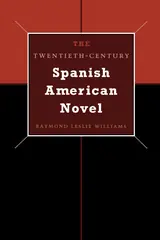 The Twentieth-century Spanish American NovelRaymond Leslie Williams, Raymond L. Williams62% matchAlso shares 20th-Century Literary Criticism
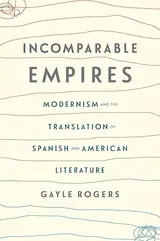 Incomparable EmpiresGayle Rogers61% matchAlso shares 20th-Century Literary Criticism
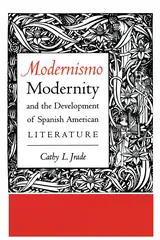 Modernismo, Modernity and the Development of Spanish American LiteratureCathy L. Jrade61% match
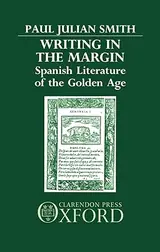 Writing in the MarginPaul Julian Smith59% match
 Erotic MysticismNancy LaGreca57% match
For younger readers: Living Beyond Borders, Emerald Lizard, A Second Chance on Earth
Start with three books, and this one can be the first.
Members get a new edition every morning: a route out from their books to essays, research and talks, with the reason for each.
Start with this bookAbout this book
In Spanish Modernism and the Poetics of Youth: From Miguel de Unamuno to La Joven Literatura, Leslie J. Harkema analyzes the literature of the modernist period in Spain in light of the emergence of youth culture in the late nineteenth and early twentieth century. Harkema argues for the prominent role played by Miguel de Unamuno—as a poet, essayist, and public figure—in Spanish writers’ response to this phenomenon.
Continue reading
She demonstrates how early twentieth-century Spanish literature participated in the glorification of adolescence and questioning of Bildung seen elsewhere in European modernism, in ways that were not only aesthetic but also political. Harkema critically re-examines the relationship between Unamuno and several Spanish writers associated with the so-called Generation of 1927 (known as at the time as “la joven literatura” or “the young literature”). By situating this period within the wider framework of European modernism, Spanish Modernism and the Poetics of Youth brings to light the central role that the early twentieth century’s re-imagining of adolescence and youth played in the development of literary modernism in Spain.
Youth in Spanish Modernism
Harkema traces how changing ideas of youth shaped Spanish modernist literature and its politics.
Come here for
- Unamuno’s role as poet, essayist, and public figure
- The links between youth culture and Spanish modernism
Expect
- A European modernist context for Spanish literature
- A re-examination of Unamuno and writers associated with the Generation of 1927
Where it sits
| Iberian Lit Crit | 75% |
|---|---|
| 20th-Century Literary Criticism | 74% |
Percentages are BookFrontier’s reading of the book.
Publisher categories
- Spanish & Portuguese History
- Literary Criticism
- Iberian Lit Crit
- Hispanic American Studies
- Authors
- Leslie J. Harkema
- Publisher
- University of Toronto Press
- Published
- November 6, 2017
- Format
- Print & ebook
- Reading lane
- Spanish & Portuguese History