
Deep Learning for Coders With Fastai and Pytorch
AI Applications Without a Phd
O'Reilly Media · Print & ebook · August 25, 2020
Deep learning is often viewed as the exclusive domain of math PhDs and big tech companies.
We earn from qualifying purchases.
- Who it’s for
- Deep learning feels approachable through practical coding, with theory close behind.
- Themes
- Practical deep-learning applications, Deep-learning theory and algorithms, Ethics of deep learning
- Genres
- Machine Learning, Computer Vision, Natural Language Processing
Nearest books
Matched by what the books are about, then ordered by what their readers also loved. Most of these share its genre: Machine Learning.
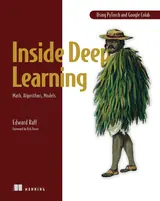 Inside Deep LearningEdward Raff66% match
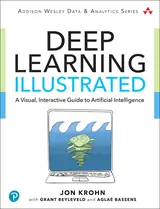 Deep Learning IllustratedJon Krohn, Grant Beyleveld64% match
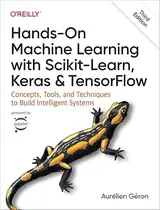 Hands-on Machine Learning With Scikit-learn, Keras, and TensorflowAurélien Géron63% match
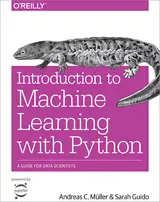 Introduction to Machine Learning With PythonAndreas C. Müller, Sarah Guido62% match
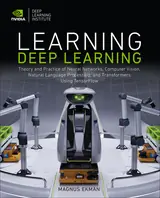 Learning Deep LearningMagnus Ekman62% matchAlso shares Computer Vision and Natural Language Processing
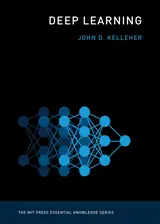 Deep LearningJohn D. Kelleher61% match
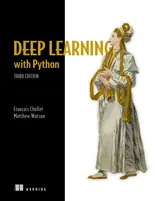 Deep Learning With Python, Third EditionFrancois Chollet, Matthew Watson61% match
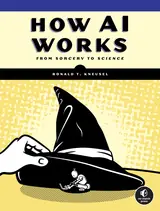 How AI WorksRonald T. Kneusel56% matchAlso shares Natural Language Processing
For younger readers: Basher Science Mini: Artificial Intelligence, STEM Starters for Kids Artificial Intelligence Activity Book, Adventures in Python
Start with three books, and this one can be the first.
Members get a new edition every morning: a route out from their books to essays, research and talks, with the reason for each.
Start with this bookAbout this book
Deep learning is often viewed as the exclusive domain of math PhDs and big tech companies. But as this hands-on guide demonstrates, programmers comfortable with Python can achieve impressive results in deep learning with little math background, small amounts of data, and minimal code. How? With fastai, the first library to provide a consistent interface to the most frequently used deep learning applications.
Continue reading
Authors Jeremy Howard and Sylvain Gugger, the creators of fastai, show you how to train a model on a wide range of tasks using fastai and PyTorch. You’ll also dive progressively further into deep learning theory to gain a complete understanding of the algorithms behind the scenes. - Train models in computer vision, natural language processing, tabular data, and collaborative filtering - Learn the latest deep learning techniques that matter most in practice - Improve accuracy, speed, and reliability by understanding how deep learning models work - Discover how to turn your models into web applications - Implement deep learning algorithms from scratch - Consider the ethical implications of your work - Gain insight from the foreword by PyTorch cofounder, Soumith Chintala
Code Into Models
Deep learning feels approachable through practical coding, with theory close behind.
Come here for
- Train models across vision, language, tabular data, and recommendations
- Connect fastai and PyTorch practice with the ideas underneath
Expect
- Progress from model use toward deeper algorithmic understanding
- Consider deployment, from-scratch implementation, and ethical implications
Where it sits
| Natural Language Processing | 49% |
|---|---|
| Machine Learning | 48% |
| Computer Vision | 28% |
Percentages are BookFrontier’s reading of the book.
Publisher categories
- Image Processing
- Computer Science
- Computation Theory
- Neural Networks
Show all 8 publisher categories
- Programming Basics
- Python Programming
- Data Viz
- Machine Learning
- Authors
- Jeremy Howard, Sylvain Gugger
- Publisher
- O'Reilly Media
- Published
- August 25, 2020
- Format
- Print & ebook
- Theme
- Practical deep-learning applications · Deep-learning theory and algorithms · Ethics of deep learning
- Reading lane
- Image Processing