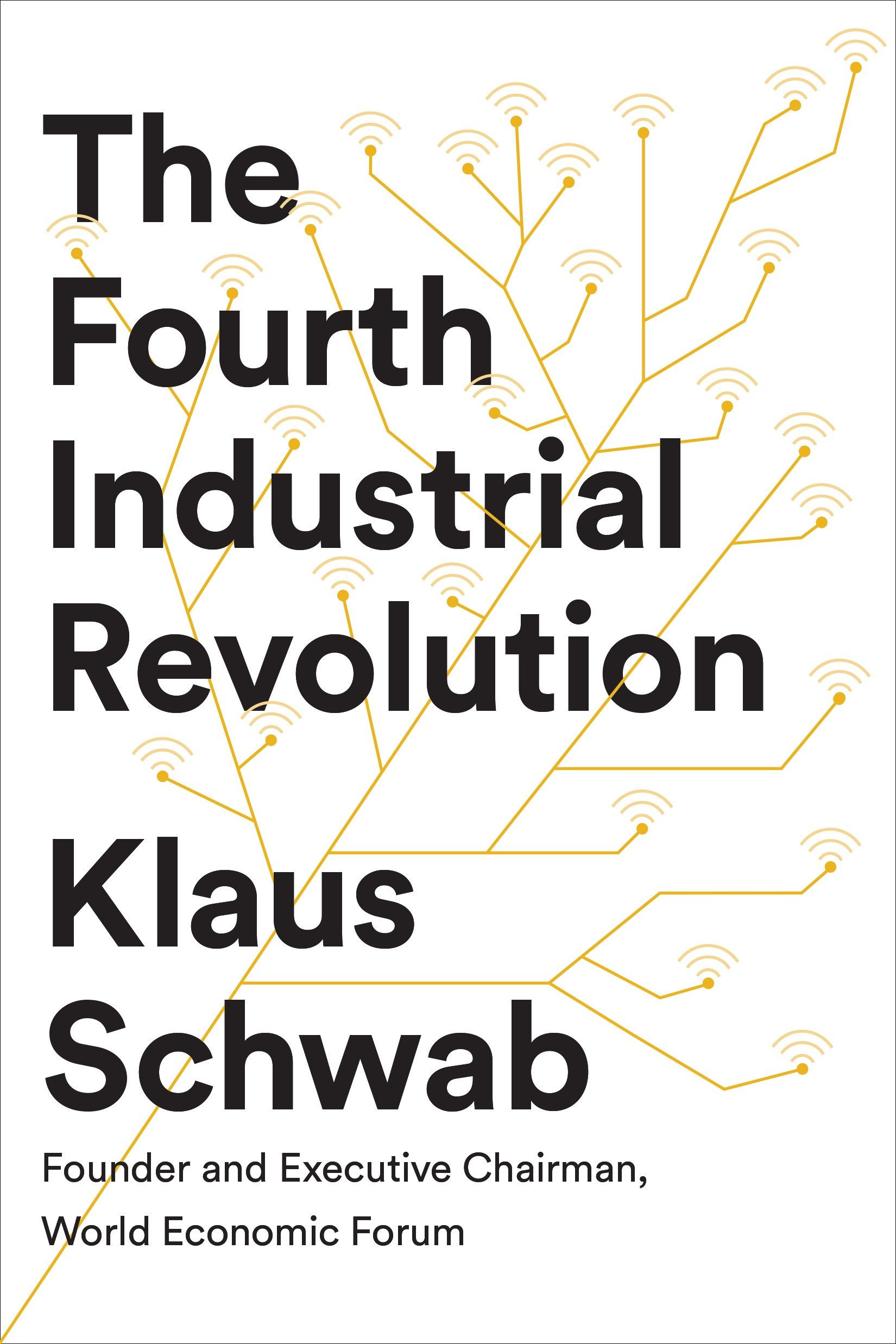
The Fourth Industrial Revolution
Crown · Print & ebook · January 3, 2017
A Business pick for readers exploring The Fourth Industrial Revolution.
We earn from qualifying purchases.
- Who it’s for
- A clear-eyed look at technologies reshaping work, society and the boundaries of human life.
- Themes
- Emerging technologies, Technology's social impact, Ethical progress
- Genres
- Futures & Foresight, AI & Machine Learning, Technology & Society
Nearest books
Matched by what the books are about, then ordered by what their readers also loved.
 The Future of WorkDarrell M. West66% matchShares Futures & Foresight
 The Age of Surveillance CapitalismShoshana Zuboff, PublicAffairs60% match
 The AI ConEmily M. Bender, Alex Hanna59% matchShares AI & Machine Learning and Technology & Society
 Age of RevolutionsFareed Zakaria, Simon & Schuster Audio62% match
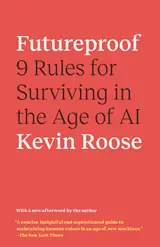 FutureproofMike Chamberlain, Kevin Roose60% matchShares Futures & Foresight and AI & Machine Learning
For younger readers: Future Tense, What Is Artificial Intelligence?, The Industrial Revolution for Kids
Start with three books, and this one can be the first.
Members get a new edition every morning: a route out from their books to essays, research and talks, with the reason for each.
Start with this bookAbout this book
World-renowned economist Klaus Schwab, Founder and Executive Chairman of the World Economic Forum, explains that we have an opportunity to shape the fourth industrial revolution, which will fundamentally alter how we live and work. Schwab argues that this revolution is different in scale, scope and complexity from any that have come before.
Continue reading
Characterized by a range of new technologies that are fusing the physical, digital and biological worlds, the developments are affecting all disciplines, economies, industries and governments, and even challenging ideas about what it means to be human. Artificial intelligence is already all around us, from supercomputers, drones and virtual assistants to 3D printing, DNA sequencing, smart thermostats, wearable sensors and microchips smaller than a grain of sand. But this is just the beginning: nanomaterials 200 times stronger than steel and a million times thinner than a strand of hair and the first transplant of a 3D printed liver are already in development. Imagine “smart factories” in which global systems of manufacturing are coordinated virtually, or implantable mobile phones made of biosynthetic materials. The fourth industrial revolution, says Schwab, is more significant, and its ramifications more profound, than in any prior period of human history. He outlines the key technologies driving this revolution and discusses the major impacts expected on government, business, civil society and individuals. Schwab also offers bold ideas on how to harness these changes and shape a better future—one in which technology empowers people rather than replaces them; progress serves society rather than disrupts it; and in which innovators respect moral and ethical boundaries rather than cross them. We all have the opportunity to contribute to developing new frameworks that advance progress.
Technology, Reconsidered
A clear-eyed look at technologies reshaping work, society and the boundaries of human life.
Come here for
- Connect emerging technologies with their effects on business, government and individuals.
- Consider who technology serves—and where ethical boundaries belong.
Expect
- A broad tour of physical, digital and biological technologies.
- Big questions about shaping technological change, not just keeping pace with it.
Where it sits
| AI & Machine Learning | 45% |
|---|---|
| Futures & Foresight | 39% |
| Technology & Society | 27% |
Percentages are BookFrontier’s reading of the book.
Publisher categories
- Economic History
- Economic Development
- Tech Industry
- Authors
- Klaus Schwab
- Publisher
- Crown
- Published
- January 3, 2017
- Format
- Print & ebook
- Theme
- Emerging technologies · Technology's social impact · Ethical progress
- Reading lane
- Economic History