
The Haiku Handbook #25th Anniversary Edition
How to Write, Teach, and Appreciate Haiku
Kodansha USA · Print & ebook · September 27, 2013
The Haiku Handbook is the first book to give readers everything they need to begin appreciating, writing, or teaching haiku.
We earn from qualifying purchases.
- Who it’s for
- Explore haiku across languages, poetic traditions, and the work of making poems.
- Themes
- Haiku form and craft, Japanese haiku history and tradition, Haiku across languages and cultures
- Genres
- Haiku, Japanese Poetry, Poetry Anthologies
Nearest books
Matched by what the books are about, then ordered by what their readers also loved. Most of these share its genres: Haiku and Japanese Poetry.
 The Pocket HaikuBasho, Buson72% matchAlso shares Poetry Anthologies
 Intro to HaikuHarold Gould Henderson56% matchAlso shares Poetry Anthologies
 Moon Woke Me Up Nine TimesMatsuo Basho67% match
 The Poetry of Chiyo-niPatricia Donegan, Yoshie Ishibashi68% match
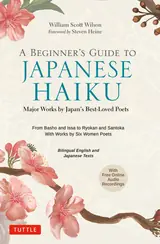 A Beginner's Guide to Japanese HaikuWilliam Scott Wilson67% match
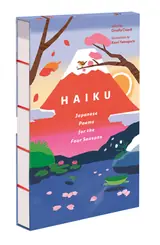 HaikuOrnella Civardi66% matchAlso shares Poetry Anthologies
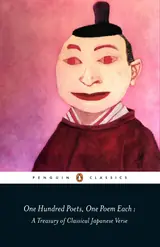 One Hundred Poets, One Poem EachPeter Macmillan63% matchAlso shares Poetry Anthologies
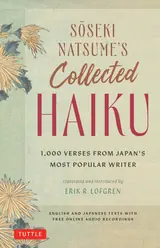 Soseki Natsume's Collected HaikuSoseki Natsume59% match
For younger readers: Climbing the Volcano, Aloha Everything, Spilling Ink: a Young Writer's Handbook
Start with three books, and this one can be the first.
Members get a new edition every morning: a route out from their books to essays, research and talks, with the reason for each.
Start with this bookAbout this book
The Haiku Handbook is the first book to give readers everything they need to begin appreciating, writing, or teaching haiku. In this groundbreaking and now-classic volume, the authors present haiku poets writing in English, Spanish, French, German, and five other languages on an equal footing with Japanese poets.
Continue reading
Not only are the four great Japanese masters of the haiku represented (Basho, Buson, Issa, and Shiki) but also major Western authors not commonly known to have written poetry in this form, including Gary Snyder, Jack Kerouac and Richard Wright. With a new foreword by poet, translator, and author Jane Reichhold (Basho: The Complete Haiku), this anniversary edition presents a concise history of the Japanese haiku, including the dynamic changes throughout the twentieth century as this beloved poetry form has been adapted to modern and urban settings. Full chapters are offered on form, the seasons in haiku, and haiku craft, plus background on the Japanese poetic tradition and the effect of translation on our understanding of haiku. Other unique features are chapters on teaching and sharing haiku, with lesson plans for both elementary and secondary school use; a seasonal word index of poetic words; a comprehensive glossary; and a list of enduring classic resources for further exploration. By any standard, The Haiku Handbook is the defining volume in the genre.
Haiku, Many Ways
Explore haiku across languages, poetic traditions, and the work of making poems.
Come here for
- Japanese masters beside poets writing haiku in other languages
- The subtleties of form, seasons, and translation
Expect
- Chapters on haiku craft, history, and teaching
- A seasonal word index and glossary
Where it sits
| Haiku | 91% |
|---|---|
| Japanese Poetry | 43% |
| Poetry Anthologies | 36% |
Percentages are BookFrontier’s reading of the book.
Publisher categories
- Asian Poetry
- Japanese Poetry
- Haiku
- Authors
- William J. Higginson, Penny Harter
- Publisher
- Kodansha USA
- Published
- September 27, 2013
- Format
- Print & ebook
- Theme
- Haiku form and craft · Japanese haiku history and tradition · Haiku across languages and cultures
- Reading lane
- Asian Poetry